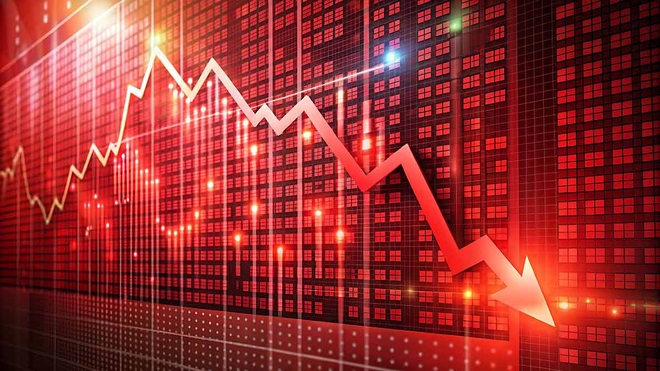
Stock markets turned volatile after crude oil prices surged during escalating tensions between the United States and Iran, raising concerns about inflation, interest rates, and global growth. The sharp move in energy markets triggered selling across equities, leaving investors searching for safer strategies.
The decline was seen across major global indices as traders reacted to the possibility of higher fuel costs and supply disruptions. When oil rises quickly, it often pressures stocks because companies face higher expenses and consumers may cut spending.
The current situation matters for investors because geopolitical conflicts combined with rising crude prices have historically led to market corrections. Analysts say protecting portfolios becomes more important during periods like this.

Financial experts are now advising investors to focus on diversification, risk control, and long-term strategy rather than reacting to short-term panic.
Key Facts at a Glance
| Event | Location | Date | Who is affected | Current status | What readers should know |
|---|---|---|---|---|---|
| Stock market decline | Global markets | Latest session | Investors worldwide | Volatility rising | Oil surge hurting equities |
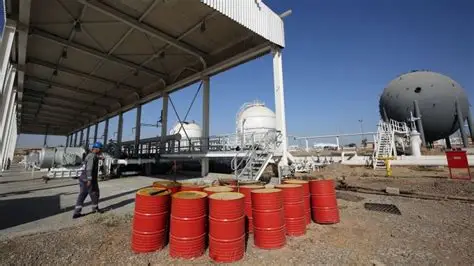
| Crude price rally | Global oil market | Ongoing | Consumers, companies | Prices climbing | Supply fears driving rally |
| U.S.–Iran tensions | Middle East | Ongoing | Financial markets | Uncertain | Conflict affects energy supply |
| Inflation concerns | Global economy | Current | Central banks, investors | Pressure increasing | Higher oil raises costs |
| Portfolio risk rising | Equity markets | Current | Retail & institutional investors | Defensive strategies | Diversification advised |
Why Stocks Fall When Oil Prices Rise
A sharp rise in crude oil often creates pressure on stock markets.
Higher oil prices increase transportation, manufacturing, and energy costs for companies. That can reduce profits, especially for airlines, logistics firms, and consumer businesses.
Investors also worry that rising fuel prices will push inflation higher, which could force central banks to keep interest rates elevated.
“When oil spikes quickly, markets start pricing in slower growth,” said a U.S.-based market strategist.
“It doesn’t mean a recession is coming, but investors become cautious.”
That caution usually leads to selling in equities.


Timeline: How the Market Reaction Unfolded
The latest volatility began after crude prices jumped following reports that tensions between the U.S. and Iran could affect supply routes in the Middle East.
Oil moved higher first.
Stocks followed lower soon after.

Global indices saw selling pressure as traders shifted money into safer assets such as bonds and gold. Energy stocks gained, but most sectors declined.
Technology and consumer stocks were among the hardest hit because they depend heavily on economic growth.
By the end of the trading session, markets were showing signs of defensive positioning rather than panic selling.

Why U.S.–Iran Tensions Affect Financial Markets
Conflicts in the Middle East often move markets because the region plays a key role in global energy supply.
Iran is close to the Strait of Hormuz, one of the most important oil shipping routes in the world. Any risk to that route can push crude prices higher.
Higher oil prices can lead to higher inflation, slower growth, and tighter financial conditions.

An energy economist said the connection is well known.
“Markets react to the risk of disruption before the disruption actually happens. That’s why oil rises first, then stocks fall.”
Investors watch geopolitical developments closely during such periods.
Inflation and Interest Rate Fears Add to Market Pressure
The oil rally is also raising concerns about inflation.

Central banks, including the Federal Reserve, have been trying to control price increases. Higher fuel costs can make that harder.
If inflation rises again, interest rates may stay high longer than expected.
Higher rates usually reduce stock valuations because borrowing becomes more expensive and future earnings are discounted more heavily.

A portfolio manager said investors are adjusting expectations.
“The biggest worry isn’t just the conflict. It’s what higher oil means for rates, inflation, and growth.”
This combination often leads to short-term market declines.
How Investors Are Protecting Their Portfolios
During volatile periods, financial advisers often recommend defensive strategies instead of rapid trading.
Diversification is one of the most common approaches. Holding a mix of stocks, bonds, commodities, and cash can reduce overall risk.
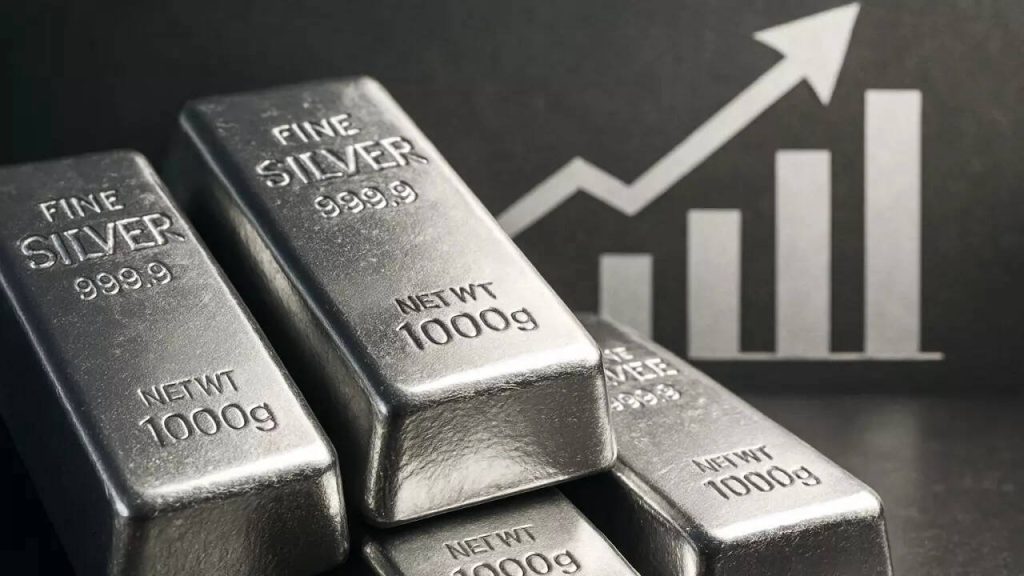
Some investors move part of their money into gold or energy stocks, which tend to perform better when oil prices rise.
Others focus on companies with strong balance sheets and stable earnings.
Experts also warn against emotional decisions.
“Selling everything during a headline-driven drop rarely works,” one investment adviser said.
“Long-term investors usually benefit from staying disciplined.”
Keeping a long-term plan can help avoid losses caused by panic selling.
Public Reaction: Retail Investors Growing Cautious
Retail investors have been reacting cautiously to the latest market swings.
Trading volumes increased as prices moved lower, suggesting that some investors reduced exposure.
At the same time, demand for safer assets such as gold and government bonds picked up.
Online investing forums showed growing concern about inflation, oil prices, and geopolitical risk.
Some investors said they were holding cash until markets become clearer.
Others viewed the drop as a chance to buy quality stocks at lower prices.
Market sentiment remains mixed.
What Could Happen Next in the Stock Market
Analysts say the direction of the market will depend on several factors in the coming days.
Oil prices are the biggest one.
If crude continues to rise, stocks could remain under pressure.
If tensions ease and oil stabilizes, markets may recover quickly.
Investors are also watching economic data, central bank comments, and any updates from the Middle East.
Large institutional investors often wait for clarity before making major moves.
That means volatility could continue in the short term.
FAQ
Why did the stock market fall during the oil rally?
Stocks dropped because higher oil prices increase inflation risk and reduce company profits.
How does the U.S.–Iran conflict affect markets?
The conflict raises fears of supply disruption in the Middle East, pushing oil higher and stocks lower.
Should investors sell during market volatility?
Financial experts usually advise staying diversified and avoiding panic selling.
Which sectors are affected most by rising oil prices?
Airlines, transportation, and consumer companies often face the biggest pressure.
Are there safe investments during market tension?
Gold, bonds, and energy stocks sometimes perform better during geopolitical uncertainty.
Will the market recover soon?
It depends on oil prices, inflation data, and developments in the conflict.
What should long-term investors do now?
Most advisers recommend sticking to long-term plans and managing risk instead of reacting to headlines.
Conclusion
The recent stock market decline shows how quickly rising oil prices and geopolitical tension can affect investor confidence. As crude climbs amid U.S.–Iran concerns, markets are adjusting to the possibility of higher inflation and slower growth.
Investors are expected to watch oil prices, central bank signals, and developments in the Middle East closely in the coming sessions, as these factors will likely decide whether markets stabilize or remain volatile.







Leave a Comment