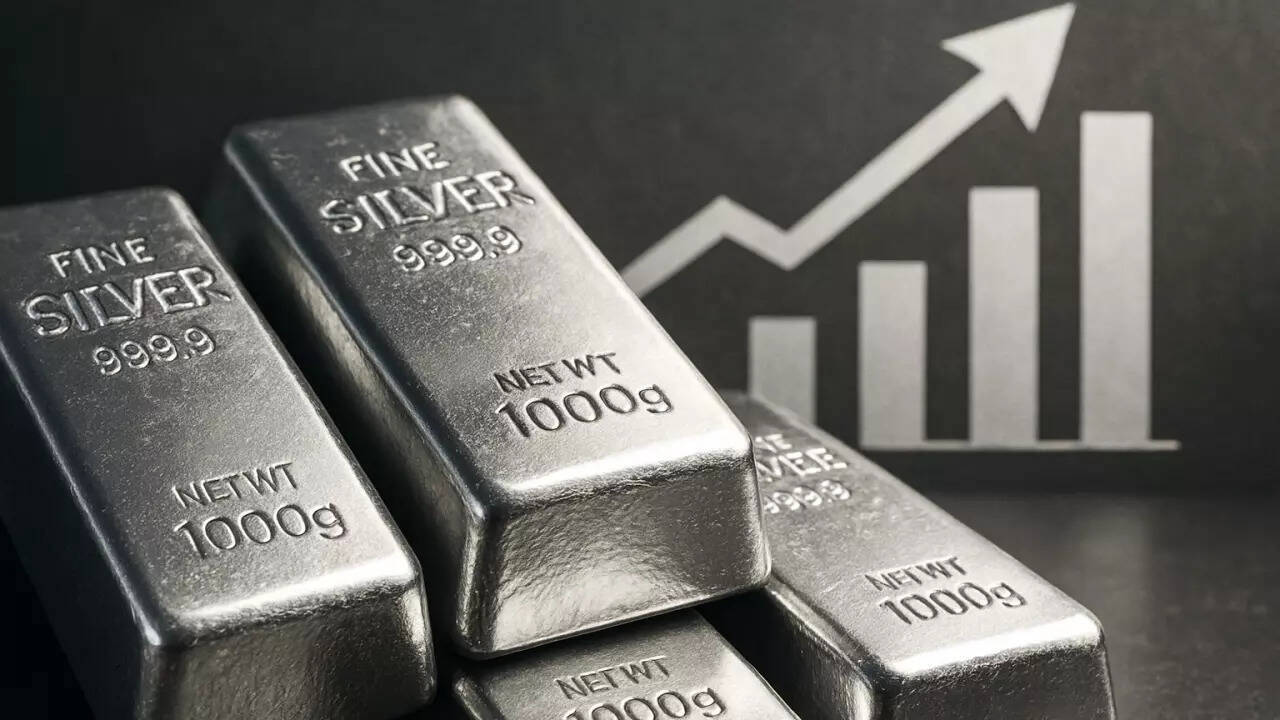
Silver prices fell sharply this week, dropping nearly ₹5,000 per kilogram even as tensions in the Middle East continued to dominate global headlines. The decline surprised many investors because precious metals usually rise during geopolitical conflicts.
The fall was seen across commodity markets, with traders reacting more to interest rates, currency strength, and profit booking than to the ongoing crisis. Analysts say the move shows that economic factors are currently outweighing safe-haven demand.
The drop has raised fresh questions about silver’s role as an investment, especially at a time when gold has been more stable and global markets remain uncertain.

For investors, the price swing matters because silver is often seen as both a safe-haven asset and an industrial metal, making it more sensitive to economic signals than gold.
Key Facts at a Glance
| Event | Location | Date | Who is affected | Current status | What readers should know |
|---|---|---|---|---|---|
| Silver price drop ₹5,000 | India & global markets | This week | Investors, jewelers, traders | Prices falling | Economic factors outweigh crisis fears |
| Middle East tensions continue | Middle East | Ongoing | Global markets | Situation uncertain | War usually supports metals |
| Strong dollar pressure | U.S. markets | Recent days | Commodity traders | Dollar rising | Metals become expensive |
| High interest rates | Global financial markets | Current | Investors worldwide | Rates elevated | Hurts precious metals |
| Profit booking after rally | Commodity exchanges | This week | Traders | Selling seen | Silver more volatile than gold |
Why Silver Usually Rises During Global Crises
Silver is often grouped with gold as a safe-haven metal. During wars or financial stress, investors tend to move money into precious metals to protect value.
However, silver behaves differently from gold because it also depends heavily on industrial demand. It is used in electronics, solar panels, batteries, and manufacturing.

Because of this dual role, silver can fall even during geopolitical tension if markets expect slower economic growth.
A commodities analyst said the current drop reflects that balance.
“Silver reacts to both fear and growth expectations. Right now, the market is more worried about interest rates than conflict.”
Sharp Weekly Fall Surprises Commodity Traders
The ₹5,000 decline happened within a few trading sessions, making it one of the biggest weekly drops in recent months.

Prices had risen earlier on global uncertainty, but the rally did not hold.
Traders began selling after the U.S. dollar strengthened and bond yields moved higher. Those factors often reduce demand for precious metals.
A Mumbai-based bullion dealer said the move caught some investors off guard.
“Many expected silver to go up because of the Middle East situation, but the market turned the other way after rate concerns came back.”
The fall was seen in both domestic and international markets.
Strong Dollar Putting Pressure on Precious Metals
One of the main reasons behind the decline is the stronger U.S. dollar.
Silver, like gold, is priced globally in dollars. When the dollar rises, metals become more expensive for buyers using other currencies, which reduces demand.

Recent economic data in the United States has supported the dollar, as traders believe interest rates could stay high longer than expected.
A market strategist said the currency move played a major role.
“When the dollar gains this quickly, metals struggle. Silver usually reacts faster than gold.”
This has been a repeated pattern in recent months.
Rising Interest Rates Hurt Silver More Than Gold
Another factor behind the fall is uncertainty about interest rates.
Precious metals do not pay interest, so when bond yields rise, investors often shift money into fixed-income assets instead.
Silver tends to fall more than gold in such situations because it is considered riskier and more volatile.
Higher rates also raise concerns about slower industrial demand, which directly affects silver.
An economist tracking commodity markets said,
“Silver depends on manufacturing and technology demand. If growth expectations weaken, the price can drop even during global tension.”
This makes silver more unpredictable than gold.
Profit Booking After Recent Rally
Silver had gained in previous weeks as investors reacted to global uncertainty and inflation worries.
After a strong rally, traders often book profits, especially when markets become volatile.
This selling pressure can push prices down quickly, even if the long-term outlook has not changed.
Short-term traders tend to react to currency moves, interest rates, and stock market signals.
Analysts say the latest fall partly reflects that kind of repositioning.
Public Reaction and Investor Concerns
The sharp drop has triggered mixed reactions among investors.
Some see the fall as a buying opportunity, while others worry that silver may remain volatile in the near term.
Retail investors often prefer silver because it is cheaper than gold, but sudden price swings can create uncertainty.
Bullion traders say demand from jewelry buyers has remained steady, but investment demand has slowed.
One dealer said customers are waiting for stability before buying again.
What Could Move Silver Prices Next
Market watchers say several factors will decide where silver goes next:
- U.S. interest rate decisions
- Strength of the dollar
- Industrial demand outlook
- Developments in the Middle East
- Inflation data worldwide
If interest rates stay high, silver could remain under pressure.
If geopolitical risk increases or the dollar weakens, prices may recover.
For now, traders expect continued volatility.
FAQ
Why did silver prices fall this week?
Silver dropped because of a stronger dollar, high interest rates, and profit booking, even though geopolitical tensions remain.
Does silver always rise during war?
Not always. Silver depends on both safe-haven demand and industrial demand.
Why is silver more volatile than gold?
Silver is used in industry, so its price reacts to economic growth expectations as well as investor demand.
Is this a good time to buy silver?
Some investors see price drops as opportunities, but markets remain uncertain.
How much did silver fall this week?
Prices dropped by about ₹5,000 per kilogram during the week.
What affects silver prices the most?
Interest rates, the U.S. dollar, industrial demand, and global economic conditions.
Could silver rise again soon?
Prices could recover if the dollar weakens or geopolitical risk increases.
Conclusion
Silver prices fell sharply this week despite ongoing tensions in the Middle East, showing that currency strength, interest rates, and profit booking are currently having a bigger impact on markets than geopolitical risk. The drop highlights the metal’s dual role as both a safe-haven asset and an industrial commodity.
Investors will now watch central bank policy, global economic data, and developments in the Middle East to see whether silver stabilizes or continues to move lower in the coming sessions.





Leave a Comment