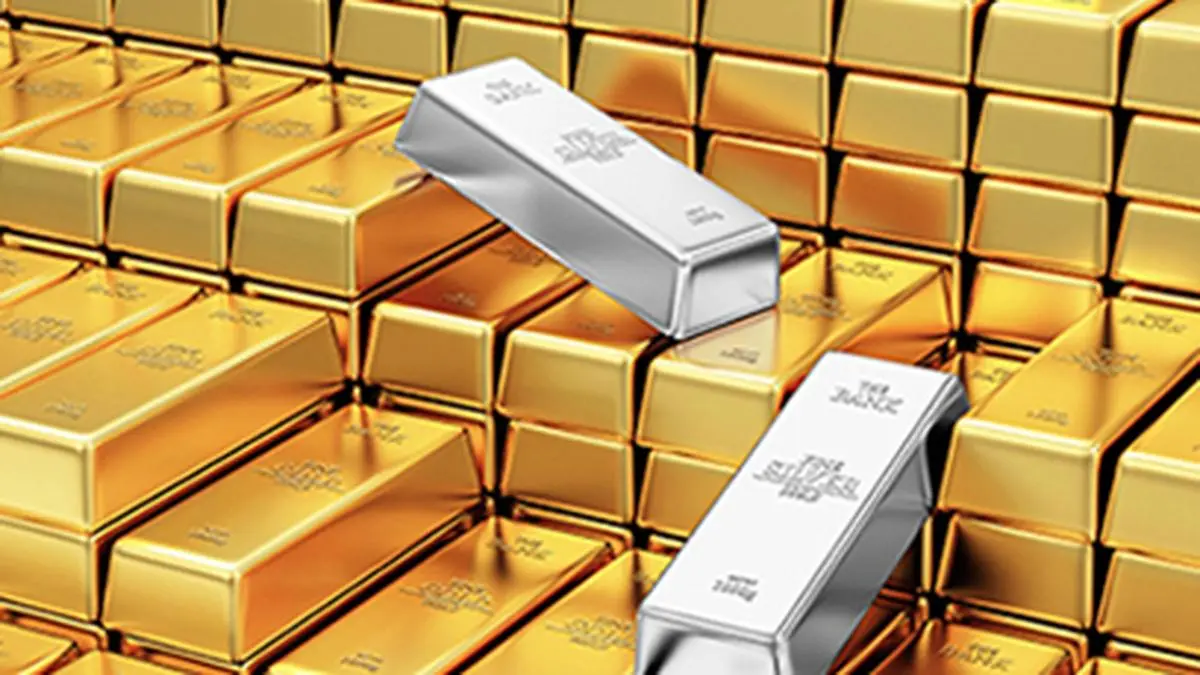
Gold prices moved higher on India’s Multi Commodity Exchange (MCX) after talks between the United States and Iran concluded without an agreement.
The rise reflects renewed global uncertainty, which often pushes investors toward safe-haven assets like gold. Markets reacted cautiously after diplomatic efforts failed to produce a breakthrough, increasing concerns over geopolitical stability.
The development matters for investors in India and abroad. Gold prices are closely tied to global risk sentiment, currency movements, and U.S. economic signals. A prolonged diplomatic deadlock could keep volatility elevated in the coming sessions.

Here’s what happened, why gold reacted, and the price levels analysts say are now crucial.
Key Facts at a Glance
| Event | Location | Date | Who Is Affected | Current Status | What Readers Should Know |
|---|---|---|---|---|---|
| Gold rises on MCX after U.S.–Iran talks end without deal | India (MCX), Global markets | Recent trading session | Commodity traders, investors, jewelers | Prices trading higher | Safe-haven demand increased amid geopolitical uncertainty |
| U.S.–Iran negotiations conclude without agreement | Diplomatic talks | Recent | Global energy & financial markets | No breakthrough announced | Uncertainty may keep gold volatile |
| Analysts identify technical levels | Commodity markets | Ongoing | Short-term traders | Monitoring support & resistance | Key levels could guide next price move |
Why Gold Prices Reacted to U.S.–Iran Developments
Gold is widely considered a safe-haven asset. When geopolitical tensions rise, investors often move funds into gold to hedge against uncertainty.
The latest round of discussions between the United States and Iran ended without a formal agreement. That outcome raised concerns about prolonged diplomatic friction and its possible impact on oil markets and regional stability.

“Whenever geopolitical talks stall, markets shift into a defensive mode,” said Anuj Gupta, head of commodity research at a Mumbai-based brokerage firm. “Gold typically benefits in such situations.”
Global cues play a significant role in MCX pricing because Indian gold futures track international spot prices alongside currency fluctuations.
MCX Gold Performance: What the Numbers Show
Following the news, gold futures on MCX edged higher during the trading session.
The gains came amid cautious sentiment across global equity markets. The U.S. dollar index and Treasury yields also remained in focus, as both influence gold’s direction.
Commodity analyst Jateen Trivedi said traders are balancing geopolitical risks with broader macroeconomic data.
“Gold is reacting to headlines, but it’s also sensitive to U.S. interest rate expectations,” he noted. “If uncertainty deepens, prices could test higher resistance levels.”

Short-term traders are now watching technical charts for confirmation of a sustained move.
Key Technical Levels to Watch in Gold
Market experts highlighted specific support and resistance levels for MCX gold.
Analysts indicated that immediate support lies near recent consolidation zones. A break below those levels could trigger profit booking.

On the upside, resistance levels are being closely monitored for potential breakout signals.
“Traders should keep an eye on momentum indicators,” Gupta said. “A decisive move above resistance may attract fresh buying.”
Technical levels often act as psychological markers in commodities trading, especially during headline-driven rallies.

Background: U.S.–Iran Talks and Market Sensitivity
The United States and Iran have engaged in multiple rounds of diplomatic discussions in recent years, largely focused on nuclear agreements and sanctions relief.
Markets respond quickly to developments because tensions in the region can influence global oil supply, shipping routes, and broader economic stability.
Even the absence of a deal can fuel uncertainty. That uncertainty, in turn, often supports gold prices.
Gold has historically performed well during periods of geopolitical strain, including Middle East conflicts and trade disputes.
Broader Global Factors Impacting Gold
While geopolitical developments triggered the latest move, other macroeconomic factors remain in play.
U.S. Federal Reserve policy expectations continue to influence global bullion markets. If interest rates remain elevated, gold can face pressure because it does not offer yield.

At the same time, inflation concerns and currency fluctuations can provide support.
“Gold’s direction isn’t driven by a single headline,” Trivedi said. “It’s a mix of geopolitics, dollar movement, and rate outlook.”
Indian investors also track rupee-dollar exchange rates, as currency weakness can amplify domestic gold prices even if global rates remain steady.
Public and Market Reaction
Traders responded swiftly after news emerged that talks ended without a breakthrough.
On commodity trading platforms, volumes increased as investors adjusted positions. Some market participants moved to hedge portfolios amid renewed geopolitical uncertainty.
Retail investors, particularly those tracking gold ETFs and futures contracts, are watching for confirmation of trend direction.
Jewelry demand in India tends to respond more gradually, influenced by festival seasons and price stability rather than short-term geopolitical events.
What Happens Next for Gold Prices?
Much depends on whether diplomatic efforts resume or tensions escalate.
If further negotiations are scheduled, markets may stabilize. However, any indication of rising geopolitical friction could push safe-haven demand higher.
Investors are also awaiting upcoming U.S. economic data releases, which may influence Federal Reserve policy expectations.
For now, analysts advise caution.
“Volatility is likely to remain elevated in the short term,” Gupta said. “Traders should manage risk carefully.”
Frequently Asked Questions (FAQ)
Why did gold prices rise on MCX?
Gold prices rose after U.S.–Iran talks ended without a deal, increasing geopolitical uncertainty and boosting safe-haven demand.
How does geopolitical tension affect gold?
Geopolitical tension often drives investors toward gold as a hedge against market instability.
What are key levels to watch in MCX gold?
Analysts are monitoring immediate support near recent lows and resistance at recent highs for breakout confirmation.
Does U.S. interest rate policy impact gold prices?
Yes. Higher interest rates can pressure gold because it does not offer yield, while lower rates may support prices.
Is this rally expected to continue?
That depends on further geopolitical developments and macroeconomic signals, including U.S. data and dollar movement.
How does the dollar affect gold?
A stronger U.S. dollar can make gold more expensive for other currencies, sometimes limiting gains.
Should retail investors be concerned?
Investors should monitor volatility and consult financial advisors before making trading decisions.
Conclusion
Gold prices on MCX moved higher after U.S.–Iran talks concluded without an agreement, reflecting renewed geopolitical uncertainty.
Safe-haven demand supported the metal, while traders continue to monitor technical levels and macroeconomic signals.
With diplomatic outcomes and global economic data still in focus, gold is likely to remain sensitive to headlines in the near term. Investors will be watching for clarity on negotiations and upcoming economic indicators that could influence the next move.








Leave a Comment