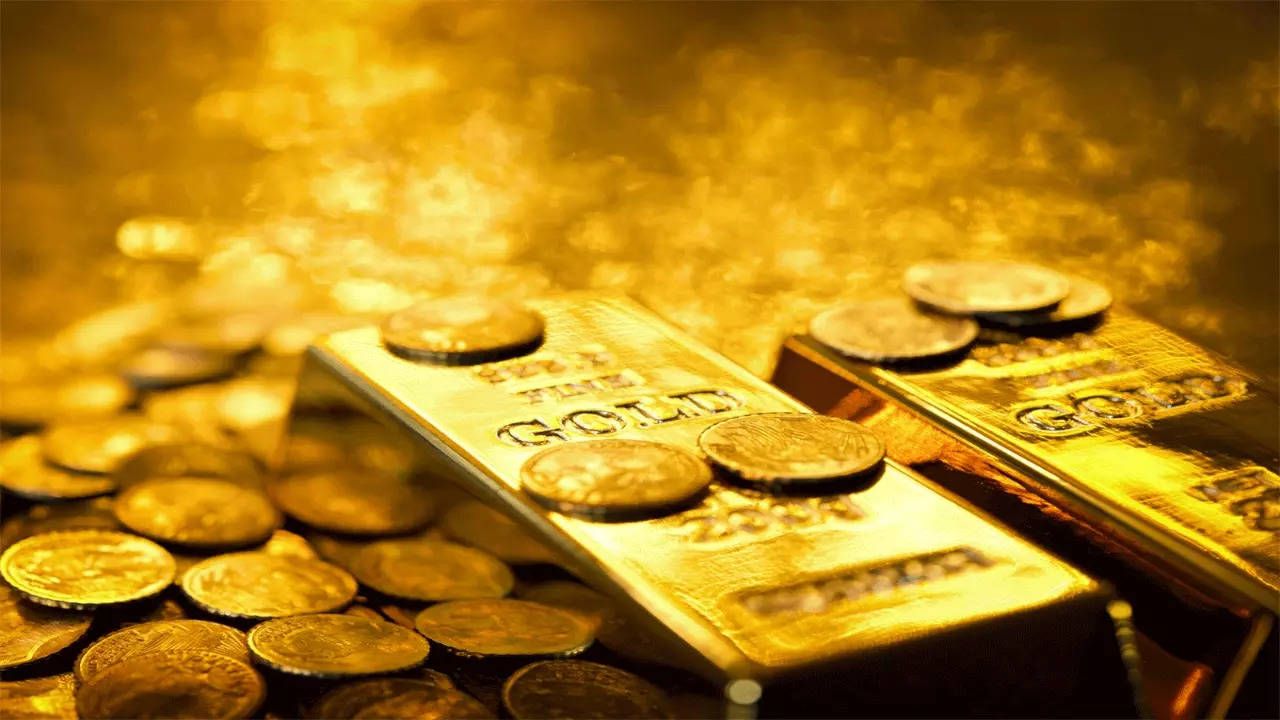
Gold and silver prices moved lower in today’s trading session even as geopolitical tensions between the United States and Iran continued to escalate. Normally, precious metals rise during global conflicts, but markets reacted differently this time, leaving investors confused.
The decline comes as traders weigh multiple economic signals at once — from rising bond yields to a stronger U.S. dollar. Analysts say the current environment is more complex than a typical risk-off scenario, which is why safe-haven assets are not seeing the usual surge.
Prices slipped in early trading across global commodity markets, with investors shifting focus toward interest rates, inflation data, and currency movements instead of geopolitical risk alone. The result is unusual but not unprecedented.

Here are the five main reasons gold and silver rates are under pressure today, even with growing uncertainty in the Middle East.
Key Facts at a Glance
| Event | Location | Date | Who is affected | Current status | What readers should know |
|---|---|---|---|---|---|
| Gold & silver price decline | Global commodity markets | Today | Investors, traders, jewelers | Prices under pressure | Multiple economic factors outweigh war fears |
| U.S.–Iran tensions escalate | Middle East | Ongoing | Global markets | Situation uncertain | Conflict usually boosts gold, but not always |
| U.S. dollar strengthens | U.S. financial markets | Recent sessions | Commodity traders | Dollar rising | Strong dollar makes gold expensive |
| Bond yields rise | U.S. Treasury market | Recent days | Investors worldwide | Yields elevated | Higher yields reduce gold demand |
| Rate cut uncertainty | Federal Reserve outlook | Current | Global investors | Policy unclear | High rates hurt precious metals |
Why Gold Usually Rises During War
Gold is traditionally considered a safe-haven asset. During wars, financial crises, or political instability, investors often move money into gold because it holds value better than stocks or currencies.
Silver tends to follow gold, although it also reacts to industrial demand.

Because of that, the ongoing U.S.–Iran conflict would normally push prices higher.
But this time, other economic forces are stronger.
“Geopolitical risk is only one part of the equation,” one commodities strategist said. “Right now, interest rates and the dollar are playing a bigger role than the conflict itself.”
Reason 1: Strong U.S. Dollar Is Pressuring Gold Prices
One of the biggest reasons for the decline is the strength of the U.S. dollar.
Gold is priced in dollars globally. When the dollar rises, gold becomes more expensive for buyers using other currencies. That often reduces demand and pushes prices down.
Recent economic data from the United States has supported the dollar, especially as traders expect interest rates to remain high for longer.
A market analyst said,
“Every time the dollar moves higher, gold struggles to maintain momentum, even during geopolitical stress.”
Silver is also affected because it trades in the same currency.
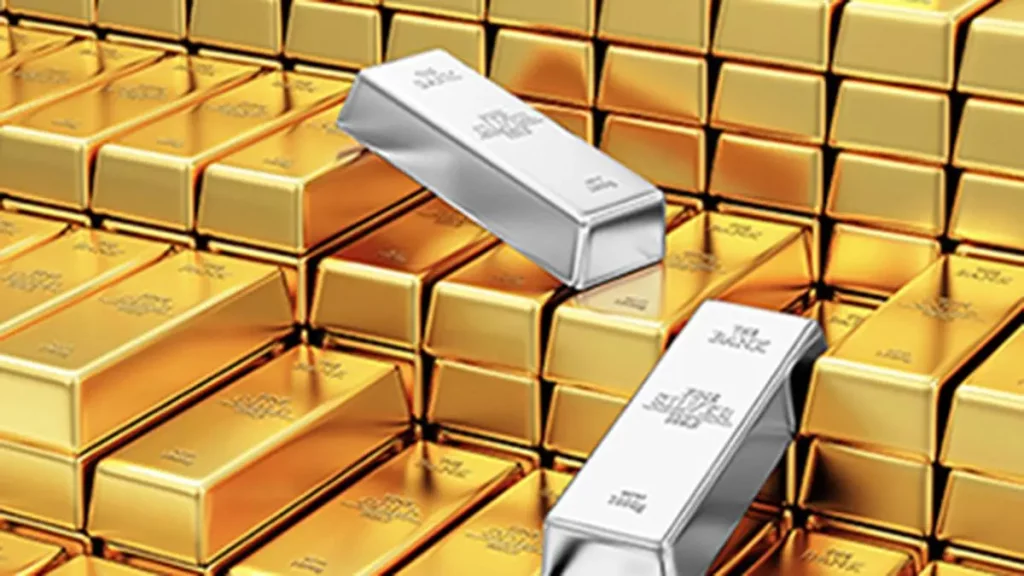
Reason 2: Rising Bond Yields Reduce Demand for Safe-Haven Metals
Another major factor is the rise in U.S. Treasury yields.

Gold does not pay interest. When bond yields go up, investors prefer bonds because they offer returns with lower risk.
Higher yields make gold less attractive, especially for institutional investors.
Recent moves in the bond market suggest traders believe interest rates could stay elevated, which is putting pressure on metals.

A commodities trader noted,
“When yields climb, gold usually falls. That pattern is playing out again despite the conflict headlines.”
Reason 3: Uncertainty Over Federal Reserve Rate Cuts
Expectations about Federal Reserve policy are also affecting gold and silver.
Earlier this year, many investors believed the Fed would cut interest rates soon. Lower rates typically help gold prices.
But recent inflation data and strong economic numbers have reduced the chances of quick rate cuts.
If rates stay high, gold faces continued pressure.
Silver, which is partly an industrial metal, can fall even more because higher rates also slow economic growth.
Market observers say traders are now focused more on the Fed than on geopolitics.
Reason 4: Profit Booking After Recent Rally
Gold had already seen a strong rally in previous weeks, with prices rising on global uncertainty and central-bank buying.
After such rallies, traders often book profits, especially when markets become volatile.
This selling can push prices lower even if the overall outlook remains positive.
Short-term traders tend to react quickly to economic data, which increases price swings.
One analyst explained,
“Gold ran up earlier on risk fears. Now we’re seeing profit-taking as investors rebalance positions.”
Silver usually falls faster during profit-booking because it is more volatile.
Reason 5: Markets Not Yet Pricing in Full War Risk
Despite headlines, financial markets may not believe the U.S.–Iran conflict will turn into a full-scale war.
Investors often wait for clear escalation before moving heavily into safe-haven assets.
If the situation remains limited or controlled, gold may not see a strong rally.
Markets are also watching oil prices, shipping routes, and global trade before reacting fully.
Some traders say the current reaction shows caution rather than panic.
“Right now, the market sees tension, not a global crisis,” a senior market watcher said. “That’s why gold isn’t surging.”
How Silver Is Reacting Differently
Silver is influenced by both safe-haven demand and industrial demand.
Because of that, it often falls when economic uncertainty increases but growth expectations weaken.
Higher interest rates and slower manufacturing outlooks can hurt silver more than gold.
Today’s decline reflects that mixed influence.
What Could Push Gold Higher Again
Analysts say gold could rise if any of the following happen:
- Conflict escalates further
- Dollar weakens
- Bond yields fall
- Federal Reserve signals rate cuts
- Inflation rises again
Until then, prices may remain volatile.
Investors are watching upcoming economic data closely.
FAQ
Why are gold prices falling during war news?
Gold is falling because the U.S. dollar and bond yields are rising, which reduces demand for safe-haven metals.
Does war always increase gold prices?
Not always. Gold rises during major crises, but economic factors like interest rates can override geopolitical risk.
Why is silver falling along with gold?
Silver follows gold but is also affected by industrial demand and interest rates, making it more volatile.
How does the U.S. dollar affect gold?
A stronger dollar makes gold more expensive globally, which lowers demand.
Will gold go up if the U.S.–Iran conflict worsens?
Prices could rise if the conflict escalates significantly or affects global markets.
Are investors selling gold right now?
Some investors are booking profits after recent gains, which is adding pressure on prices.
What should investors watch next?
Federal Reserve policy, bond yields, dollar strength, and developments in the Middle East.
Conclusion
Gold and silver prices are under pressure today despite rising geopolitical tensions because financial markets are reacting more strongly to interest rates, bond yields, and currency movements. The current environment shows that safe-haven demand alone is not enough to push metals higher when monetary policy remains uncertain.
Investors will now watch upcoming economic data, Federal Reserve signals, and developments in the U.S.–Iran situation to see whether precious metals regain strength or continue to trade lower.







Leave a Comment