
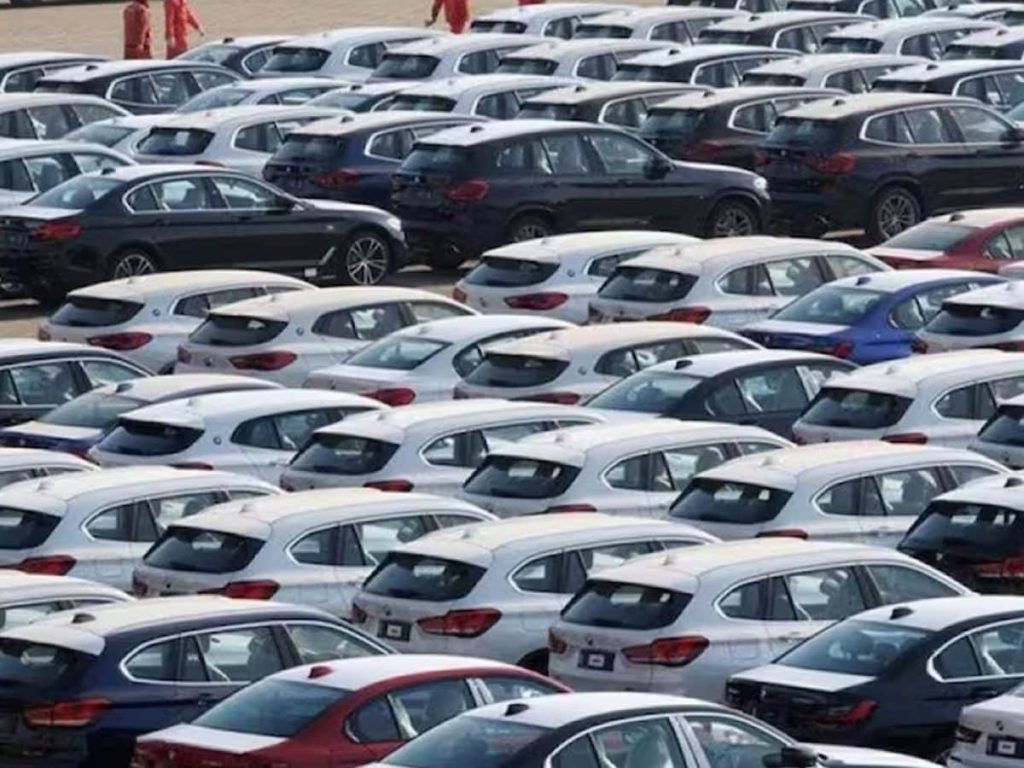
India’s automobile market recorded strong momentum in February, with passenger vehicle sales witnessing a significant year-on-year increase. According to data released by the Federation of Automobile Dealers Associations (FADA), retail car sales rose by 26 percent compared to the same period last year. The growth highlights improving consumer confidence and continued demand for personal mobility across the country.
Strong Growth in Passenger Vehicle Retail Sales
The Indian passenger vehicle segment delivered impressive growth in February, reflecting a healthy recovery in the automotive retail market. Data from FADA indicates that car sales across dealerships increased sharply compared to the corresponding month of the previous year.
Dealers across various regions reported improved showroom footfall and stronger bookings during the month. Industry experts attribute the rise to multiple factors, including stable economic conditions, increasing consumer aspirations, and the ongoing shift toward personal vehicles for daily commuting.

The 26 percent year-on-year increase demonstrates the continued resilience of India’s auto sector despite challenges such as fluctuating fuel prices and global economic uncertainties.
Demand Driven by Urban and Semi-Urban Buyers
One of the key drivers behind the surge in car sales has been growing demand from both urban and semi-urban areas. Rising disposable incomes, expanding road infrastructure, and easier access to financing options have made car ownership more attainable for many households.
Consumers are increasingly viewing cars not only as a convenience but also as a necessity for safety and comfort in daily travel. This trend gained momentum during the pandemic years and has continued even as public transportation systems have resumed normal operations.

In addition, compact SUVs and mid-size utility vehicles remain particularly popular among buyers. These segments offer a combination of affordability, modern features, and versatility, making them attractive choices for families and young professionals alike.
Role of Festive and Wedding Season Demand
Industry observers note that seasonal factors may also have contributed to the strong performance in February. The period often coincides with wedding celebrations in several parts of India, traditionally a time when families make significant purchases, including vehicles.
Automobile manufacturers and dealerships also launched promotional offers and financing schemes during the month, encouraging more consumers to finalize their purchase decisions. Attractive exchange programs and discounts further boosted showroom activity.

Such initiatives often help sustain market momentum, especially in months when buyers are actively planning major expenditures.
Two-Wheeler and Commercial Vehicle Segments
While passenger vehicle sales showed strong growth, other segments of the automobile market displayed mixed performance. The two-wheeler segment, which remains the largest in terms of volume, continues to face challenges due to price sensitivity among rural buyers and rising ownership costs.
However, there are signs of gradual improvement in rural demand as agricultural incomes stabilize and economic activity picks up in smaller towns.

Commercial vehicle sales, which are closely linked to economic growth and infrastructure development, have also shown moderate improvement in recent months. Increased government spending on construction and logistics projects has contributed to higher demand for trucks and other commercial vehicles.
Industry Outlook for the Coming Months
Automotive analysts believe that the sector may continue to experience steady growth in the near term, supported by strong consumer demand and ongoing product launches from major manufacturers.
The introduction of new models, particularly in the SUV and electric vehicle segments, is expected to attract additional buyers. Automakers are also focusing on advanced safety features, connected technology, and improved fuel efficiency to remain competitive in the evolving market.

At the same time, industry stakeholders remain cautious about certain challenges. Rising input costs, global supply chain disruptions, and fluctuations in commodity prices could influence vehicle pricing and production in the coming months.
Nevertheless, India’s large consumer base and expanding middle class provide a strong foundation for sustained growth in the automotive sector.
Conclusion
The 26 percent increase in passenger vehicle sales in February highlights the growing strength of India’s automobile market. Improved consumer confidence, rising demand for personal mobility, and supportive financing options have all contributed to the surge in car purchases. While challenges remain, the latest figures from FADA suggest that the industry is continuing on a positive growth trajectory, with demand expected to remain stable in the months ahead.







Leave a Comment