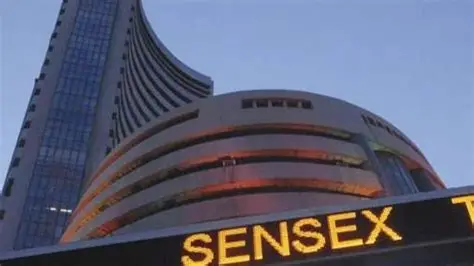
Indian markets saw a dramatic turnaround during Wednesday’s trading session.
The BSE Sensex recovered nearly 1,700 points from its intraday low but still ended the day 1,050 points lower. The NSE Nifty 50 slipped below the 24,900 mark by the closing bell.
The session reflected sharp volatility across sectors, with early heavy selling followed by a strong but incomplete rebound. For investors, the swings underscored ongoing uncertainty in global and domestic markets.

Here’s what happened — and what may come next.
Market Summary Table
| Event | Location | Date | Who Is Affected | Current Status | What Readers Should Know |
|---|---|---|---|---|---|
| Sensex falls 1,050 points after 1,700-point recovery | Mumbai, India | March 2026 | Retail investors, institutional traders, mutual fund holders | Closed sharply lower after volatile session | Nifty ended below 24,900; volatility remains elevated |
What Happened on Dalal Street?
Markets opened sharply lower in early trade.
Heavy selling pressure dragged the Sensex down significantly during morning hours. At one point, the index was down more than 2,700 points from its previous close before staging a rebound.
By mid-session, buying interest returned in select heavyweights, helping the index recover about 1,700 points from the day’s low. Despite the comeback, the Sensex still closed 1,050 points in the red.
The Nifty followed a similar pattern, briefly slipping well below key technical levels before settling under 24,900.
Timeline of the Trading Session
Morning:
Markets opened weak amid negative global cues. Banking and IT stocks led the decline.

Midday:
Selective buying emerged in large-cap stocks. Short covering also contributed to the rebound.
Afternoon:
Volatility continued, with indices trimming losses but failing to move into positive territory.
Closing Bell:
Sensex closed 1,050 points lower. Nifty ended below 24,900.

What Triggered the Sharp Fall?
Analysts pointed to a mix of global uncertainty and profit booking.
Weak cues from international markets weighed on investor sentiment at the open. Rising geopolitical concerns and fluctuations in global bond yields added pressure.
Domestic investors also locked in gains after recent rallies.
VK Vijayakumar, Chief Investment Strategist at Geojit Financial Services, said, “Volatility is back in the market due to global uncertainties. Sharp intraday recoveries indicate that investors are buying dips selectively, but caution remains high.”
Market participants noted that heavy selling in financial and technology stocks amplified early losses.
Sector-Wise Performance
Banking stocks saw significant intraday swings.

IT counters remained under pressure amid concerns about global demand trends. Metal and energy stocks also experienced volatility during the session.
However, some defensive sectors showed relative resilience, limiting deeper losses.
Ajit Mishra, VP – Research at Religare Broking, said, “The sharp recovery from lower levels suggests underlying strength, but the broader trend remains cautious unless key resistance levels are reclaimed.”

How Investors Reacted
Retail investors closely tracked the swings, with many turning to online platforms to monitor live charts and trading volumes.
Market volatility often prompts short-term traders to adjust positions quickly. At the same time, long-term investors typically view corrections as potential entry points.
Trading volumes remained elevated throughout the session, reflecting active participation from both institutional and retail investors.

Broader Market Context
The recent turbulence comes after a period of strong upward movement in benchmark indices.
Markets have been sensitive to global interest rate expectations, commodity price movements, and foreign institutional investor (FII) activity.
Foreign flows remain a critical factor. Any shift in global liquidity conditions tends to impact emerging markets like India more sharply.
Currency movement also plays a role. A weaker rupee can influence investor sentiment, particularly in export-driven sectors.
Why This Matters for Investors
Large intraday swings signal heightened uncertainty.
For short-term traders, volatility can create opportunities — but also increase risk. For long-term investors, such sessions highlight the importance of diversification and disciplined asset allocation.
Market corrections often test investor confidence. However, partial recoveries during the same session may indicate that buyers remain active at lower levels.
The key question now is whether the rebound continues in coming sessions or if selling pressure resumes.
What Happens Next?
Analysts suggest watching global market trends and upcoming economic data releases.
Technical levels on the Nifty — especially the 24,800 to 24,900 range — may act as near-term support. A sustained break below could invite further selling.
Conversely, stability in global markets may help restore confidence.
Investors will also monitor corporate earnings updates and foreign investment flows in the coming days.
Frequently Asked Questions (FAQs)
Why did the Sensex fall despite recovering 1,700 points?
The index recovered from intraday lows but still closed lower due to heavy selling earlier in the session.
What level did Nifty close at?
Nifty ended below the 24,900 mark.
What caused today’s market volatility?
Global market weakness, profit booking, and sector-specific selling contributed to volatility.
Is this a market crash?
No. While the decline was sharp, markets recovered significantly from intraday lows.
Which sectors were most affected?
Banking and IT stocks saw notable volatility during the session.
Should investors be worried?
Market volatility is common. Long-term investors typically focus on fundamentals rather than short-term swings.
What should traders watch next?
Global cues, foreign investor flows, and key technical support levels.
Conclusion
Wednesday’s session highlighted the fragile balance between selling pressure and dip buying in Indian markets.
The Sensex’s 1,700-point recovery showed resilience, yet the 1,050-point closing loss and Nifty’s move below 24,900 reflect lingering caution.
Investors are likely to remain attentive to global developments and technical indicators in the days ahead, as markets seek clearer direction.









Leave a Comment