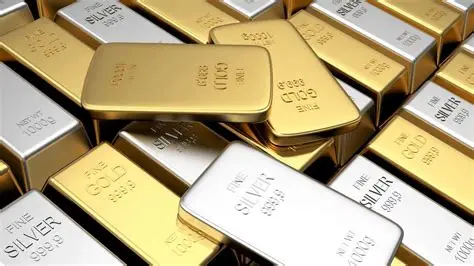
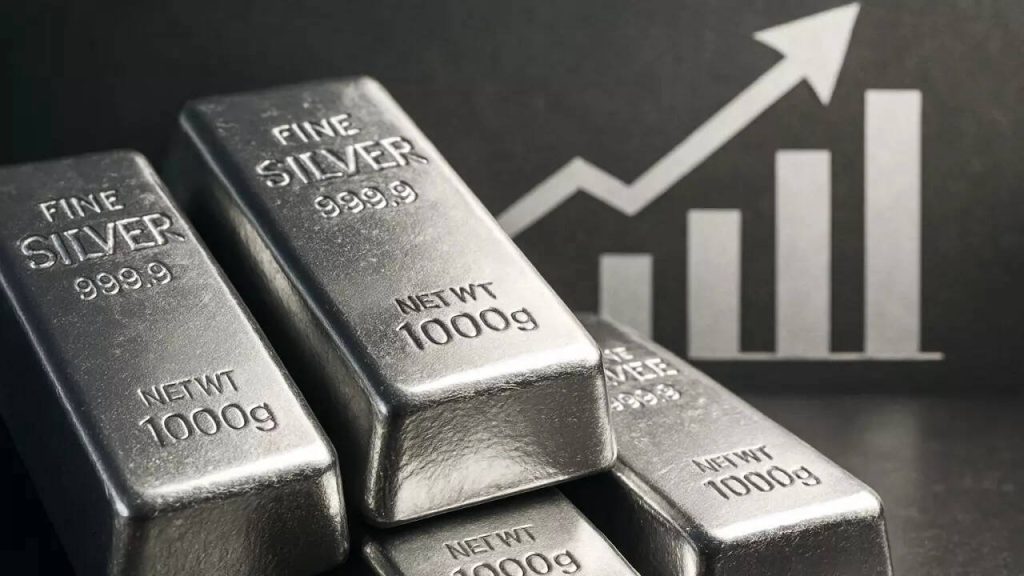
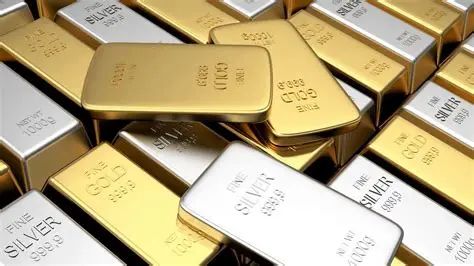
Gold prices are climbing again, hovering near record highs. Silver is following close behind.
The rally has sparked a familiar question across financial markets: Are investors preparing for a recession, or is this simply a response to inflation and Federal Reserve policy?
Precious metals have long served as a hedge during economic uncertainty. With rising geopolitical tensions, stubborn inflation, and shifting interest rate expectations, analysts say the current surge in gold and silver deserves close attention.

Here’s what experts are saying about where prices could go next — and what it may signal for the broader economy.
Key Facts at a Glance
| Event | Location | Date | Who Is Affected | Current Status | What Readers Should Know |
|---|---|---|---|---|---|
| Gold price surge | U.S. and global markets | 2026 | Investors, retirees, traders | Gold near historic highs | Often viewed as recession hedge |
| Silver price increase | U.S. and global markets | 2026 | Industrial sector, investors | Silver trending upward | Influenced by both industry & safe-haven demand |
| Federal Reserve rate outlook | United States | Ongoing | Borrowers, businesses, markets | Rates under review | Interest rates directly impact metal prices |
Why Gold and Silver Are Rising Now
Gold typically gains when investors grow cautious.
With inflation still elevated and central banks navigating interest rate decisions carefully, many market participants are rotating toward defensive assets.
“Gold is responding to uncertainty more than anything else,” said Daniel Morris, chief market strategist at BNP Paribas Asset Management. “Whenever investors question growth durability, you see flows into precious metals.”
Silver, while also considered a safe haven, has a dual role. It is heavily used in solar panels, electronics, and industrial manufacturing.
That makes silver more sensitive to economic cycles — but also capable of stronger gains when industrial demand rebounds.
The Federal Reserve’s Role in Precious Metal Prices
Interest rates are central to this debate.
Gold does not pay dividends or interest. When the Federal Reserve raises rates, higher-yielding assets become more attractive, often pressuring gold prices.
But when rate hikes pause — or cuts are anticipated — gold tends to strengthen.
Federal Reserve Chair Jerome Powell recently indicated the central bank remains data-dependent as it evaluates inflation trends. Markets are now pricing in possible rate cuts later this year.
“Lower real yields are a clear tailwind for gold,” said UBS commodity analyst Giovanni Staunovo. “If inflation stays sticky and growth slows, that combination supports higher prices.”
Silver often follows gold’s direction but with more volatility.
Is This a Recession Signal?
Historically, sharp increases in gold prices have sometimes preceded economic downturns.
During the 2008 financial crisis and the early months of the COVID-19 pandemic, gold surged as equities fell.
However, analysts caution against reading the current rally as a guaranteed recession indicator.

“Gold rallies don’t automatically mean a recession is coming,” said Michelle Bowman, senior U.S. economist at Capital Economics. “It can reflect policy uncertainty, geopolitical risk, or simply portfolio diversification.”
Recent economic data has shown mixed signals. Employment remains relatively stable, but consumer spending has softened in some sectors. Manufacturing activity has slowed, while services remain resilient.
That uneven picture keeps recession concerns alive — but not confirmed.
Silver’s Industrial Demand Adds Complexity
Unlike gold, silver demand is heavily tied to manufacturing and renewable energy.
Solar energy expansion, electric vehicles, and advanced electronics continue to drive long-term industrial consumption.
The Silver Institute projects strong structural demand from clean energy initiatives, particularly in the United States and China.
This dynamic means silver prices can rise even without recession fears, especially if green energy investment accelerates.
However, if economic growth slows sharply, industrial demand could weaken — potentially limiting silver’s upside compared to gold.
Inflation Hedge or Fear Trade?
Gold is widely seen as an inflation hedge.
But its performance during inflationary cycles has been inconsistent.
During the 1970s inflation crisis, gold prices soared. More recently, gold’s gains have aligned more closely with real interest rate movements than headline inflation.
“Investors should understand that gold reacts to real yields, not just inflation,” said Kristina Hooper, chief global market strategist at Invesco. “If inflation rises but rates rise faster, gold can struggle.”
This nuance matters for investors trying to interpret the current surge.
Public Reaction and Investor Behavior
Retail investors have increased allocations to gold exchange-traded funds in recent months, according to data from the World Gold Council.
Meanwhile, central banks — particularly in emerging markets — have continued to add gold to their reserves.
That trend has provided structural support to prices.
Financial advisors report growing interest from retirees and conservative investors seeking stability amid market volatility.
Still, equity markets remain near highs, suggesting investors are not fully positioning for a downturn.
What Happens Next?
Analysts say three major factors will determine the trajectory of gold and silver prices:
- Federal Reserve interest rate decisions
- Inflation trends
- Global geopolitical stability
If economic data weakens and rate cuts begin, gold could test new record levels.
If growth stabilizes and inflation cools, prices may consolidate rather than extend sharply higher.
Silver’s direction will depend both on macroeconomic conditions and industrial demand trends.
Frequently Asked Questions (FAQ)
Why are gold prices rising right now?
Gold is climbing due to economic uncertainty, inflation concerns, and expectations that the Federal Reserve may lower interest rates.
Does rising gold mean a recession is coming?
Not necessarily. Gold often rises during uncertainty, but it does not guarantee a recession.
How does the Federal Reserve affect gold prices?
Higher interest rates typically pressure gold, while lower rates support it.
Why is silver more volatile than gold?
Silver has industrial uses in addition to being a safe haven, making it more sensitive to economic cycles.
Is gold a reliable inflation hedge?
Gold can protect against inflation in certain environments, but it is more closely tied to real interest rates.
Are central banks buying gold?
Yes. Many central banks have increased gold reserves in recent years to diversify assets.
The Bottom Line
Gold and silver are once again in focus as markets navigate inflation pressures, interest rate uncertainty, and mixed economic signals.
While rising precious metal prices can reflect caution, they do not automatically confirm a recession is imminent.
Investors will be watching upcoming inflation data and Federal Reserve decisions closely. Those developments are likely to determine whether gold and silver extend their rally — or pause after a strong run.






Leave a Comment