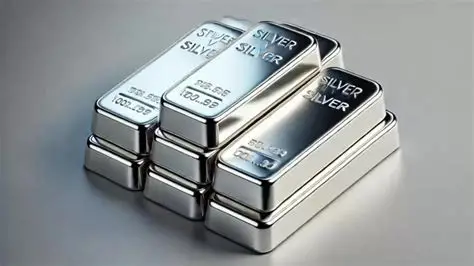
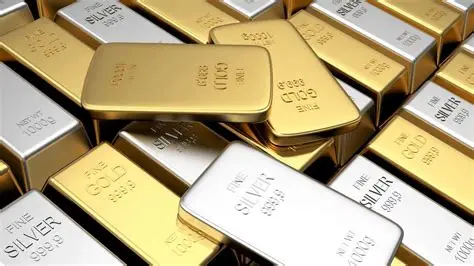
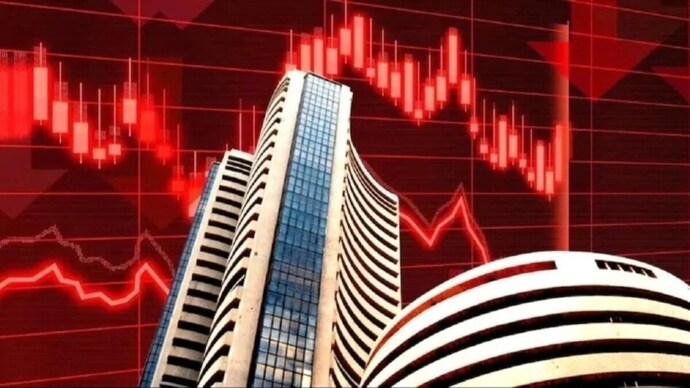
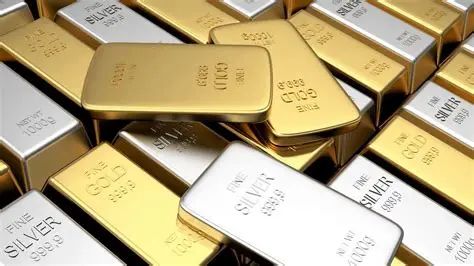
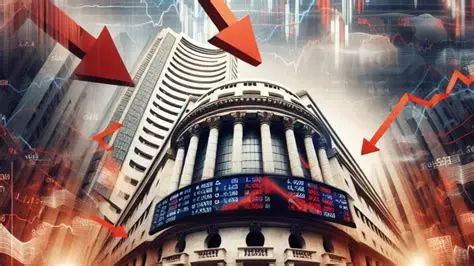
Silver prices tumbled sharply this week, falling 11% in a rapid sell off that caught many traders off guard. Gold wasn’t spared either, slipping 3% as the U.S. dollar strengthened.
The decline unfolded across global commodities markets, with precious metals reacting to renewed dollar momentum and shifting expectations around U.S. interest rates.
For investors who turned to gold and silver as safe-haven assets earlier this year, the pullback raises a pressing question: Is this a temporary correction, or a sign that the rally has stalled?
Market analysts say the answer depends largely on what happens next with inflation, Federal Reserve policy, and the direction of the dollar.
Key Facts at a Glance
| Event | Location | Date | Who Is Affected | Current Status | What Readers Should Know |
|---|---|---|---|---|---|
| Silver price drop | Global commodities markets | This week | Retail investors, traders, mining sector | Down 11% | Strong dollar pressured prices |
| Gold price decline | Global commodities markets | This week | Investors, ETFs, central banks | Down 3% | Rate expectations shifted |
| U.S. dollar surge | United States | Ongoing | Global markets | Dollar index rising | Stronger dollar weighs on metals |
Why Silver Fell 11% and Gold Slid 3%
The primary driver behind the sharp drop was the strengthening U.S. dollar.
When the dollar rises, commodities priced in dollars — including gold and silver — become more expensive for foreign buyers. That typically reduces demand and pressures prices.

The U.S. Dollar Index climbed as fresh economic data suggested resilience in the American economy, reducing expectations of near-term interest rate cuts.
“Precious metals are extremely sensitive to real yields and dollar strength,” said Ole Hansen, head of commodity strategy at Saxo Bank. “When the dollar rallies quickly, you often see exaggerated moves in silver.”
Silver, in particular, tends to swing more dramatically than gold.

Its smaller market size and heavy speculative participation can amplify price movements during volatility.
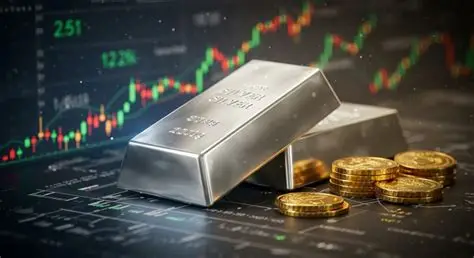
Federal Reserve Policy and Interest Rate Expectations
Another factor weighing on metals is shifting expectations around the Federal Reserve.
Earlier this year, markets were pricing in multiple rate cuts. Recent economic indicators, however, showed inflation remaining sticky in certain sectors.
That has complicated the outlook.
“If the Fed holds rates higher for longer, gold could face headwinds,” said Bart Melek, global head of commodity strategy at TD Securities. “Lower rate expectations had supported the rally. A reassessment naturally pressures prices.”
Gold does not yield interest. So when Treasury yields rise or remain elevated, income-generating assets become more attractive relative to bullion.
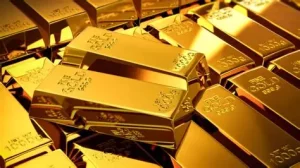
Silver follows a similar pattern, though its industrial demand adds another layer of complexity.
Timeline of the Precious Metals Selloff
The decline began earlier in the week after strong U.S. economic data lifted the dollar.
By midweek, silver futures accelerated lower as stop-loss levels were triggered. The selling intensified in thin trading conditions, leading to an 11% drop.

Gold retreated more gradually but still lost roughly 3% over the same period.
Exchange-traded funds tracking silver saw outflows, while trading volumes spiked in futures markets.
The selloff was broad-based, affecting both retail and institutional positions.

Silver’s Dual Role: Industrial and Investment Demand
Unlike gold, silver is not solely a safe-haven asset.
It plays a major role in industrial production, including solar panels, electric vehicles, and electronics manufacturing.
That industrial demand often supports silver prices over the long term. But during periods of economic uncertainty or rising borrowing costs, manufacturing demand can slow.
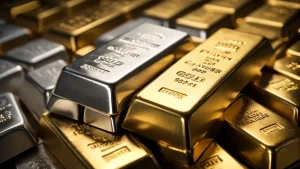
“Silver sits at the intersection of investment flows and industrial cycles,” Hansen said. “When macro conditions tighten, it can be hit from both sides.”
The recent drop reflects primarily macroeconomic forces rather than a sudden change in industrial consumption.
Public Reaction and Investor Sentiment
The sharp decline sparked debate among retail investors and market watchers.
Online trading forums showed mixed reactions. Some viewed the dip as a buying opportunity. Others warned that the metals rally may have run too far, too fast.
Market strategists urged caution.
“Corrections are part of commodity cycles,” said Melek. “The question is whether the underlying drivers — inflation concerns and geopolitical uncertainty — remain intact.”
Central bank gold buying, which has supported prices in recent years, has not shown immediate signs of reversing. However, short-term price action remains tied closely to currency movements.
How the U.S. Dollar Impacts Gold and Silver Prices
The relationship between the dollar and precious metals is historically inverse.
When the dollar strengthens, gold and silver often weaken.
This week’s move reinforced that pattern.
Investors seeking safety turned toward U.S. assets, lifting the currency. As a result, demand for metals eased, triggering broad selling.
Analysts note that if the dollar rally continues, metals could face additional pressure.
But if economic data softens and rate cut expectations return, the dynamic could shift again.
What Happens Next for Precious Metals?
Market participants are now focused on upcoming inflation data and Federal Reserve commentary.
If inflation cools meaningfully, expectations for rate cuts could reemerge. That would likely weaken the dollar and provide support for gold and silver.
If inflation remains persistent, the Fed may maintain a restrictive stance longer than anticipated.
That scenario could limit upside momentum for metals in the near term.
Volatility is expected to remain elevated.
Short-term traders may react quickly to economic data releases, while long-term investors will watch broader macro trends.
Frequently Asked Questions
Why did silver drop 11%?
Silver fell sharply due to a strengthening U.S. dollar and shifting expectations around Federal Reserve interest rates.
Why did gold fall less than silver?
Gold tends to be less volatile than silver because it has a larger market and is used primarily as a safe-haven asset.
How does the U.S. dollar affect precious metals?
When the dollar strengthens, gold and silver become more expensive globally, reducing demand and pushing prices lower.
Is this the end of the gold rally?
Analysts say it is too early to determine. Future price movement will depend on inflation data, Fed policy, and the dollar.
Do interest rates impact gold prices?
Yes. Higher interest rates can pressure gold because it does not generate yield.
Is silver tied to industrial demand?
Yes. Silver is widely used in manufacturing and renewable energy technologies.
The Bottom Line
Silver’s 11% drop and gold’s 3% decline reflect a rapid shift in currency strength and interest rate expectations.
While the pullback is significant, analysts describe it as part of the broader volatility common in commodity markets.
Investors are now watching upcoming economic data and Federal Reserve signals for clarity. The direction of the U.S. dollar will likely remain the key factor determining whether precious metals stabilize — or face further downside in the weeks ahead.




Leave a Comment