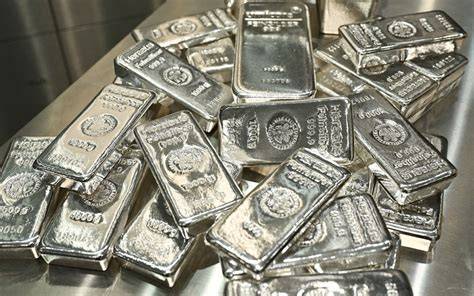
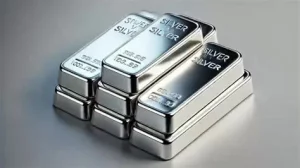
Silver prices moved lower in the latest trading session as rising geopolitical tension linked to the Iran conflict continued to influence global commodity markets. Analysts said the stronger U.S. dollar and concerns over oil supply disruptions played a key role in the price movement.
The situation has drawn attention from investors because the ongoing conflict is affecting energy markets worldwide. Reports indicate that the tension is impacting oil routes connected to nearly one-fourth of global consumption, increasing uncertainty across financial markets.
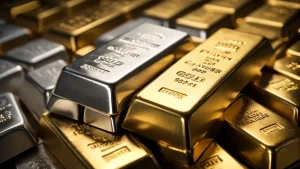
Gold prices, however, remained relatively steady compared to silver, according to market observers. Traders say investors are balancing between safe-haven buying and currency pressure, leading to mixed movement in precious metals.
Here is a detailed look at why silver prices fell, how the Iran conflict is affecting commodities, and what market watchers expect next.
Why silver prices fell while gold stayed stable
Commodity analysts said the latest decline in silver came after a stronger U.S. dollar reduced demand for metals priced in dollars. When the dollar rises, gold and silver often become more expensive for international buyers.
A market analyst tracking bullion trade said the current trend reflects a correction rather than a sudden collapse.

“Gold is holding its position for now, but silver is correcting after gains seen in the previous session,” a commodity analyst said during market commentary.
Silver is considered more volatile than gold because it is used both as an investment and in industrial production. Because of that, it tends to react faster to changes in global economic conditions.
“Silver usually moves more sharply than gold when there is uncertainty in currency markets,” another metals trader said.

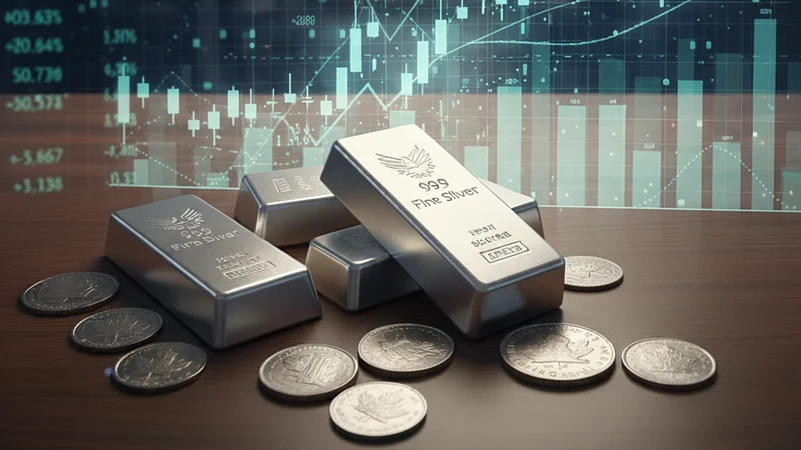
Iran war tension and oil supply concerns affecting markets
The latest price movement came as global markets reacted to continued tension linked to the Iran conflict. Energy analysts say the situation has raised concern about oil supply routes that handle a large share of the world’s consumption.
Shipping lanes in the region are critical for global energy trade, and any disruption can push oil prices higher. When oil rises, it often strengthens the U.S. dollar and changes investor behavior in commodities.
Market observers said the current situation is creating a chain reaction across currencies, oil, and metals.
“Whenever geopolitical tension threatens oil supply, the dollar tends to gain strength, and that puts pressure on metals like silver,” a commodities strategist said.
The uncertainty has made investors cautious, leading to short-term selling in silver after recent gains.
Timeline of recent market movement
- Earlier session — Silver gained during safe-haven buying
- Rising Iran tension — Oil supply concerns increased
- Dollar strengthened — Precious metals faced pressure
- Latest session — Silver corrected, gold remained stable
Recent trading patterns show that investors are moving quickly between safe-haven assets and currency markets depending on global news.
Impact on investors and commodity traders
The latest correction in silver is being watched closely by traders because the metal often signals broader shifts in market sentiment.
Retail investors usually follow gold prices, but silver plays an important role in futures trading and industrial demand. Because of that, sudden changes can affect both commodity exchanges and manufacturing costs.
Bullion dealers said short-term fluctuations are common during geopolitical uncertainty.
Some investors are waiting for more clarity on the Iran situation before making new positions in precious metals.
Key facts summary
| Event | Location | Date | Who is affected | Current status | What readers should know |
|---|---|---|---|---|---|
| Silver price drop | Global commodity market | Latest session | Investors, traders | Prices lower | Dollar strength pressured metals |
| Gold price trend | Global market | Latest session | Bullion investors | Stable | Safe-haven demand continues |
| Iran war tension | Middle East | Ongoing | Oil, currency, metals markets | Uncertain | Oil supply risk impacting prices |
| Oil supply concern | Global trade routes | Ongoing | Energy market | Sensitive | About one-fourth consumption affected |
| Dollar movement | U.S. currency market | Latest session | Global investors | Stronger | Strong dollar lowers metal demand |
What could happen next in silver and gold market
Analysts say the next movement in precious metals will depend on three major factors: the strength of the U.S. dollar, developments in the Iran conflict, and changes in oil prices.
If tension increases, gold could gain support as a safe-haven asset, while silver may continue to show sharper swings.
If the dollar remains strong, both metals may stay under pressure in the short term.
For now, traders expect continued volatility rather than a steady trend.
FAQ
Why did silver prices fall today?
Silver fell because the U.S. dollar strengthened and investors reacted to global tension linked to the Iran conflict.

Why is gold not falling as much as silver?
Gold is a stronger safe-haven asset, so it often stays stable during uncertainty while silver moves more sharply.
How does the Iran war affect metal prices?
Tension can disrupt oil supply, which affects currency markets and changes investor demand for metals.
Why does a strong dollar lower gold and silver prices?
Metals are priced in dollars, so a stronger dollar makes them more expensive for buyers outside the U.S.
Is silver more volatile than gold?
Yes. Silver reacts faster because it is used in both investment and industry.
Will precious metal prices rise again?
Prices may change depending on geopolitical events, currency movement, and oil market conditions.
Why do investors watch silver prices closely?
Silver often signals changes in market sentiment and industrial demand.
Conclusion
Silver prices moved lower in the latest session as global tension related to the Iran conflict strengthened the U.S. dollar and increased uncertainty in commodity markets. Gold remained relatively steady, showing the difference in how investors react to risk during geopolitical events.
Market watchers are expected to follow developments in the Middle East, oil supply routes, and currency movement in the coming days, as these factors are likely to determine the next direction for precious metals.





Leave a Comment