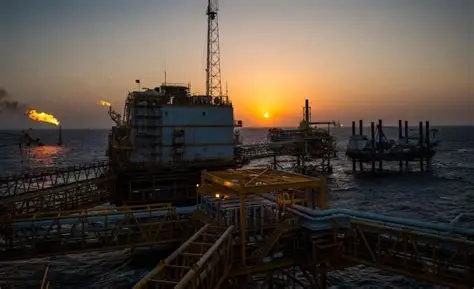
Crude oil prices climbed above $100 per barrel in global trading after supply concerns grew during escalating tensions between the United States and Iran. The move has renewed fears of higher fuel costs and broader inflation pressure across global markets.
Energy traders reacted quickly as reports of conflict risks in the Middle East raised concerns about possible disruptions to oil supply routes. The region remains one of the world’s most important sources of crude exports, making any instability a major factor for prices.
The latest rally has pushed benchmark crude to levels not seen in months, prompting analysts to ask whether prices could move even higher if the situation continues to worsen.

Investors are now closely watching geopolitical developments, production decisions, and demand forecasts to see whether oil could approach the $130 per barrel level in the near term.
Oil Prices Cross $100 as Supply Fears Return
Global crude oil benchmarks moved sharply higher, crossing the $100 per barrel mark after renewed worries about supply disruptions linked to the U.S.–Iran conflict.
Traders said the rally was driven by fears that shipping routes in the Middle East could be affected if tensions continue to rise. Any disruption in the region can quickly reduce available supply in global markets.

Energy markets tend to react strongly to geopolitical risk, especially when the situation involves major oil-producing countries.
Commodity strategist Warren Patterson said the latest move reflects how sensitive oil prices are to supply threats.
“When there is uncertainty around Middle East supply, markets quickly price in risk, even before any actual disruption happens,” he said.


Why the U.S.–Iran Conflict Matters for Oil Markets
The Middle East accounts for a large share of global crude production, and Iran is a key player in regional energy supply.
If conflict affects shipping through the Strait of Hormuz, one of the world’s busiest oil routes, global supply could tighten quickly. A significant portion of daily oil trade passes through this narrow waterway.
Analysts say even the possibility of disruption can push prices higher.

Energy economist Vandana Hari said the market reacts to risk more than actual shortages at first.
“Oil prices often move on fear of supply loss rather than confirmed outages. That is what we are seeing now,” she said.
Higher oil prices can affect fuel costs, airline tickets, transport, and food prices, making the situation important for consumers as well as investors.
Timeline of the Recent Oil Price Rally
Oil prices had been trading below $90 per barrel in recent weeks as markets focused on demand concerns and economic uncertainty.
The trend changed after geopolitical tensions increased in the Middle East, leading to renewed buying in energy markets.
Prices climbed steadily, then surged past $100 per barrel after fresh reports of conflict risks and supply worries.

Traders also pointed to lower inventory levels in some regions, which added to the upward pressure.
The latest move marks one of the strongest rallies seen this year.
Could Oil Reach $130 Per Barrel?
Analysts say the possibility of oil reaching $130 depends on how the conflict develops and whether supply is actually disrupted.

If exports from major producers are affected, prices could move higher quickly.
However, some experts believe the rally may slow if tensions ease or if major producers increase output.
Oil market analyst Giovanni Staunovo said prices above $120 would likely require real supply loss.

“To see oil move toward $130, the market would need to see actual disruption, not just risk,” he said.
Production decisions by OPEC+ countries will also play a key role in determining the next move.
Impact on Global Economy and Fuel Prices
Higher crude oil prices often lead to higher gasoline and diesel costs, which can affect households and businesses.
Transport companies, airlines, and manufacturing sectors are usually among the first to feel the impact.
Inflation can also rise when energy costs increase, which may influence central-bank decisions on interest rates.
Economists say sustained prices above $100 could slow economic growth in some countries.
At the same time, oil-producing nations may benefit from higher revenue.
Market Reaction From Investors and Traders
Financial markets showed mixed reactions after oil crossed $100.
Energy stocks moved higher, while some airline and transport shares fell due to concerns about rising fuel costs.
Commodity traders reported strong buying in oil futures, but also warned that volatility could remain high.
Some investors are taking short-term positions, while others are waiting for clearer signals about the conflict.
Traders said the market could change direction quickly depending on political developments.
What Could Happen Next
Several factors will decide whether oil continues to rise:
- Developments in the U.S.–Iran conflict
- Possible supply disruptions in the Middle East
- OPEC+ production decisions
- Global demand outlook
- Inventory data from major economies
If tensions increase, prices could move higher.
If the situation stabilizes, the rally may slow.
For now, analysts expect oil markets to remain highly sensitive to geopolitical news.
Key Facts Table
| Event | Location | Date | Who is affected | Current status | What readers should know |
|---|---|---|---|---|---|
| Oil price above $100 | Global market | Latest session | Consumers, investors | Prices rising | Supply fears driving rally |
| U.S.–Iran tensions | Middle East | Ongoing | Energy markets | Risk elevated | Key oil region |
| Supply concern | Strait of Hormuz | Ongoing | Global trade | Uncertain | Major shipping route |
| Possible $130 target | Global market | Speculation | Traders | Not confirmed | Depends on supply loss |
| Fuel price impact | Worldwide | Ongoing | Households, airlines | Likely higher | Oil affects inflation |
FAQ
Why did oil prices cross $100 per barrel?
Prices rose because of supply concerns linked to tensions between the U.S. and Iran.
Why does the Middle East affect oil prices so much?
The region produces a large share of global crude, and key shipping routes pass through it.
Can oil really reach $130 per barrel?
It is possible if supply is disrupted, but not certain.
Will gasoline prices go up?
Higher crude oil usually leads to higher fuel prices, though timing varies.
What is the Strait of Hormuz?
It is one of the world’s busiest oil shipping routes in the Middle East.
Are markets expecting a long conflict?
Traders are uncertain, which is why prices are volatile.
What should investors watch next?
Geopolitical updates, OPEC decisions, and global supply data.
Conclusion
Crude oil prices moved above $100 per barrel as supply concerns increased during rising tensions between the United States and Iran. The rally reflects how quickly energy markets react to geopolitical risk, especially in regions critical to global oil production.
Traders are now watching for signs of actual supply disruption, production changes, and political developments, all of which will determine whether oil prices stabilize or continue moving toward higher levels in the coming weeks.







Leave a Comment