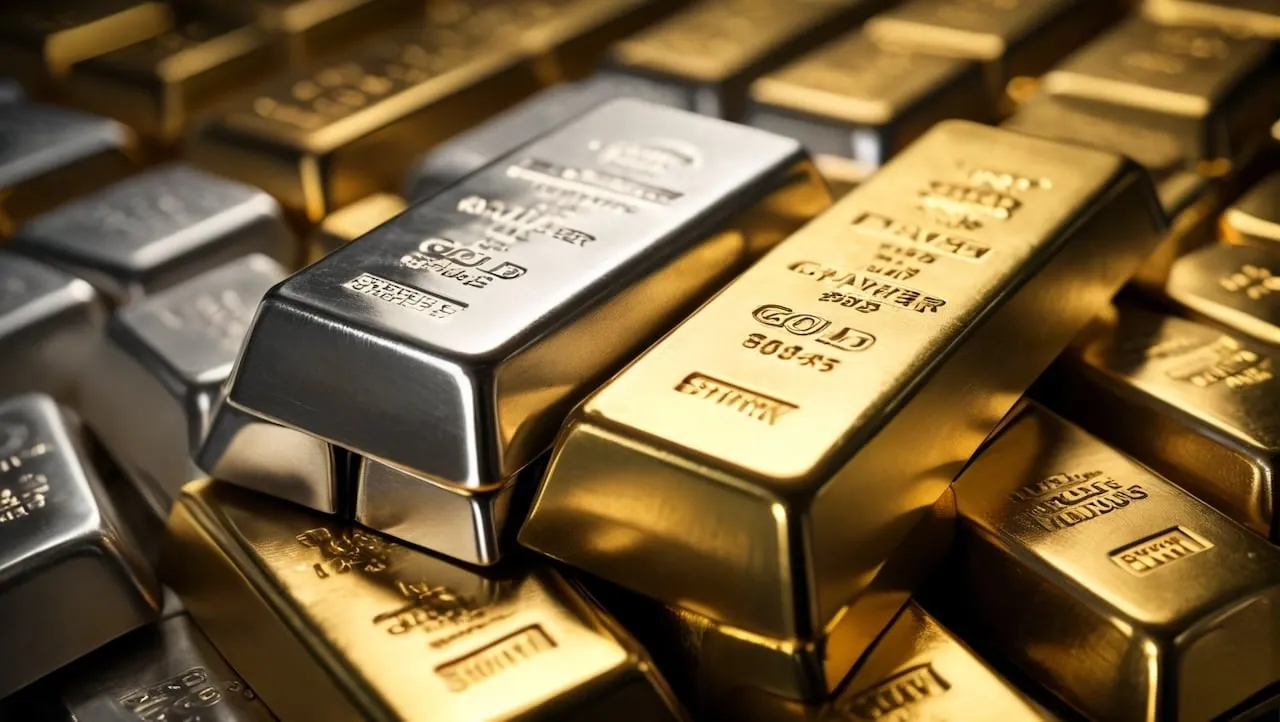
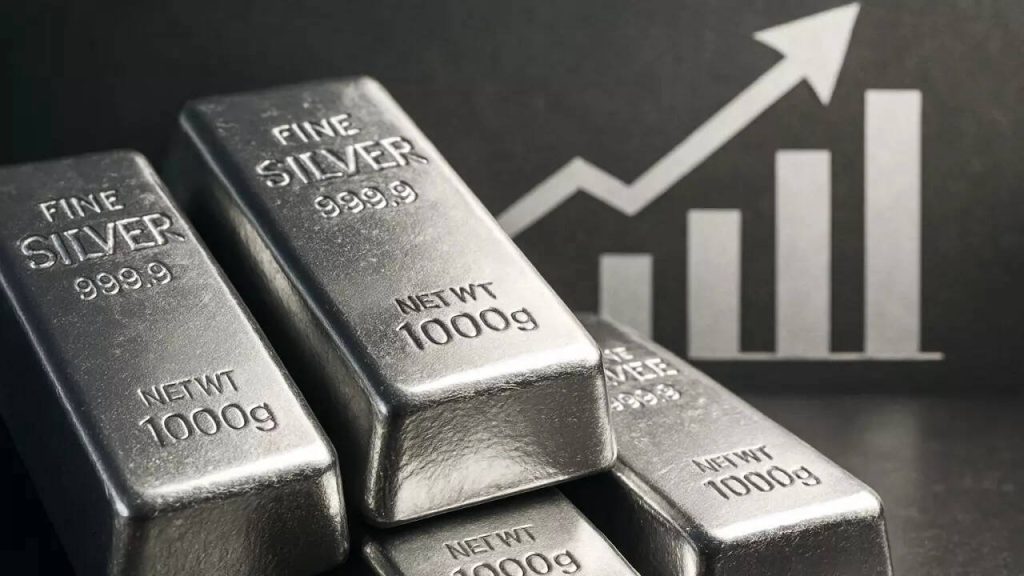
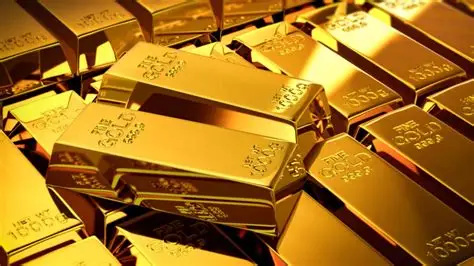
Gold and silver prices moved lower in global trading Friday after the U.S. dollar strengthened, reducing demand for safe-haven assets. Comex gold dropped about $64 per ounce, while silver fell roughly $1.5, according to early market data.
The decline comes as investors reassess interest-rate expectations and inflation risks. A stronger dollar typically makes precious metals more expensive for buyers using other currencies, which often leads to selling pressure.
Recent volatility in oil prices, bond yields, and geopolitical tensions had pushed bullion higher in previous sessions. But the latest move shows how quickly sentiment can shift when currency markets change direction.

Traders are now watching U.S. economic data and Federal Reserve signals closely, as those factors are likely to determine where gold and silver head next.
Gold, Silver Prices Drop as Dollar Gains Strength
Gold futures on Comex fell by about $64 per ounce during the latest session, while silver declined around $1.5 per ounce as the U.S. dollar index moved higher.
A stronger dollar tends to weigh on bullion because gold and silver are priced in U.S. currency. When the dollar rises, buyers outside the United States must pay more, which reduces demand.

Market analysts say the move also reflects profit-booking after recent gains driven by geopolitical uncertainty.
Precious metals had climbed earlier this month as investors sought safety amid global tensions and inflation concerns. But once the dollar started rising, traders began locking in profits.
Why the Rising Dollar Hurts Gold and Silver
The relationship between the dollar and precious metals is one of the most closely watched signals in commodity markets.

Gold does not pay interest, so when interest rates stay high or the dollar strengthens, investors often shift money into bonds or cash instead.
Higher energy prices and inflation worries have also reduced expectations for quick rate cuts from the Federal Reserve, which has limited demand for bullion.
Commodity analyst Jateen Trivedi said rising macroeconomic uncertainty continues to keep markets volatile.
“Escalating global tensions and inflation concerns can support gold, but a stronger dollar and rate outlook often cap the upside,” he said.
Another market strategist noted that silver tends to move more sharply than gold during these swings.
“Silver reacts to both safe-haven demand and industrial demand, so it can fall faster when risk sentiment changes,” said Harshal Dasani, commodity market analyst.
Timeline of Recent Moves in the Bullion Market
In late February and early March, gold and silver surged as geopolitical tensions and oil price spikes increased safe-haven buying.
That rally slowed when inflation fears returned and investors began to doubt that the Federal Reserve would cut rates soon.
The dollar strengthened again this week, pushing metals lower and triggering a fresh round of selling.

Market data shows similar pullbacks in recent sessions when risk appetite improved or currency markets shifted.
Global Factors Driving Today’s Price Drop
Federal Reserve Rate Outlook
Investors now expect interest rates to stay higher for longer because inflation remains uncertain.
Higher rates usually reduce demand for gold.
Stronger U.S. Dollar
Currency markets moved in favor of the dollar as global investors sought stability, which pressured commodities.

Oil Price Volatility
Rising oil prices have complicated inflation forecasts and reduced hopes of early rate cuts.
Profit-Booking After Rally
After recent highs, traders sold to secure gains, which added to the downward move.
Market Reaction From Investors and Traders
Trading desks reported cautious activity, with many investors waiting for clearer signals from upcoming economic data releases.

Short-term traders reacted quickly to the stronger dollar, while long-term investors mostly held positions.
Some analysts say the overall trend for gold remains supported by uncertainty, even though short-term corrections are likely.
“Volatility is expected to stay elevated as markets balance geopolitical risk, inflation data, and central-bank policy,” one commodities research note said.
Silver saw slightly heavier selling than gold, which is common when markets move toward safer assets like cash or bonds.
What Happens Next for Gold and Silver
Traders are now focused on upcoming U.S. inflation data, Federal Reserve comments, and global energy prices.
Any sign that rates could fall later this year may support gold again.
But if the dollar keeps rising, metals could remain under pressure in the near term.
Investors are also watching geopolitical developments, which can quickly bring back safe-haven demand.
For now, analysts expect more volatility rather than a clear trend.
Key Facts Table
| Event | Location | Date | Who is affected | Current status | What readers should know |
|---|---|---|---|---|---|
| Gold price drop | Comex (U.S.) | Latest session | Investors, traders, jewelers | Down about $64/oz | Strong dollar pressured demand |
| Silver price decline | Comex (U.S.) | Latest session | Industrial buyers, traders | Down about $1.5/oz | Profit-booking and currency strength |
| Dollar rally | Global markets | This week | Commodity investors | Dollar rising | Usually negative for gold |
| Rate-cut uncertainty | United States | Ongoing | Financial markets | Expectations reduced | Higher rates hurt bullion |
| Oil price volatility | Global | Ongoing | Energy & commodity markets | Prices elevated | Inflation fears remain |
FAQ
Why did gold prices fall today?
Gold dropped because the U.S. dollar strengthened and investors reduced safe-haven buying.
Why does the dollar affect gold and silver?
Precious metals are priced in dollars, so a stronger dollar makes them more expensive for global buyers.
Did silver fall more than gold?
Yes, silver often moves more sharply because it depends on both investment demand and industrial demand.
Are interest rates affecting gold prices?
Yes. Higher interest rates reduce the appeal of gold because it does not pay interest.
Is this drop temporary?
Markets remain volatile, and prices could change quickly depending on economic data and global events.
Should investors expect more volatility?
Analysts say volatility is likely to continue due to inflation concerns and policy uncertainty.
What should investors watch next?
Upcoming Federal Reserve signals, inflation reports, oil prices, and currency moves.
Conclusion
Gold and silver prices slipped in the latest trading session as a stronger U.S. dollar reduced safe-haven demand and investors adjusted expectations for interest-rate cuts. The move follows several weeks of volatile trading driven by inflation fears, oil price swings, and geopolitical uncertainty.
Markets are now waiting for fresh economic data and Federal Reserve guidance, which could determine whether bullion prices stabilize or continue to fluctuate in the coming sessions.





Leave a Comment