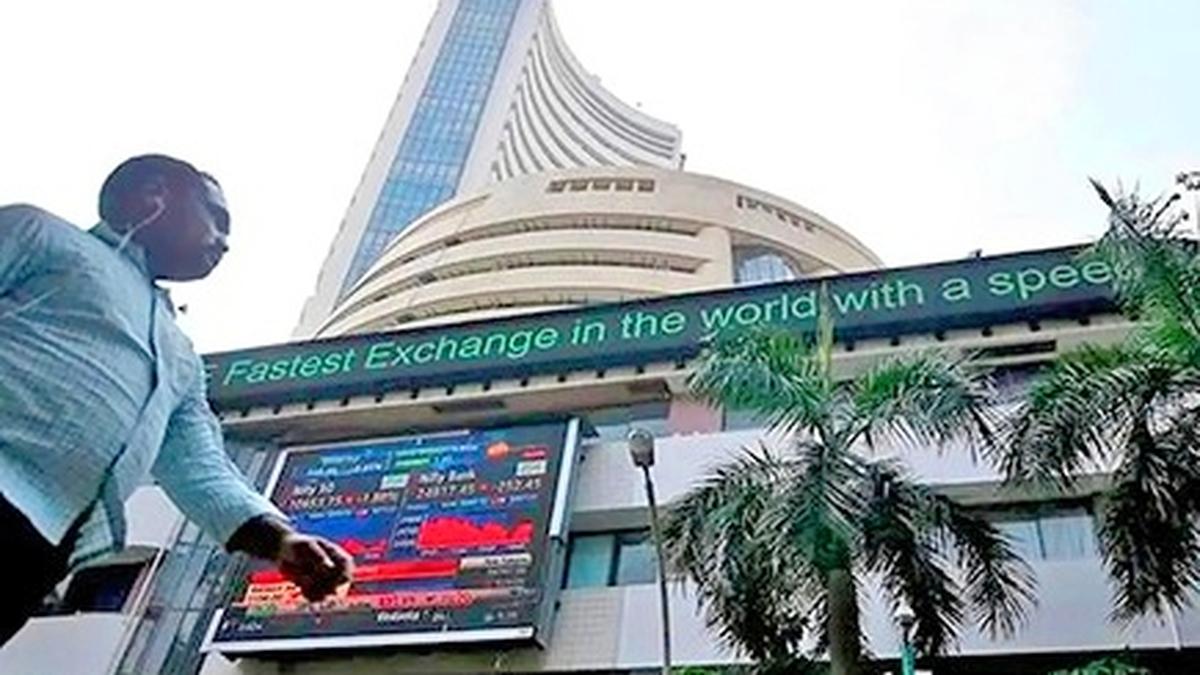
Rising tensions between the United States and Iran could have a longer-lasting impact on India’s economy, according to a new report from the Finance Ministry. The assessment warns that higher oil prices and global uncertainty may increase pressure on the country’s external finances.
The report highlights risks to India’s balance of payments, a key indicator that tracks money flowing in and out of the country. Any prolonged disruption in energy markets or trade routes could widen the current-account deficit and weaken the rupee.
Officials said the situation remains manageable for now, but continued conflict in the Middle East may keep commodity prices elevated. That, in turn, could affect inflation, growth, and government finances.
Here is a detailed look at what the report says, why the U.S.–Iran conflict matters for India, and what economists are watching next.
Key Facts Summary
| Event | Finance Ministry economic risk warning |
|---|---|
| Location | India |
| Date | March 2026 |
| Who is affected | Indian economy, importers, consumers, government |
| Current status | Risks elevated but manageable |
| What readers should know | Oil prices and BoP pressure main concern |
Finance Ministry Flags External Sector Risks
The Finance Ministry’s latest economic review noted that geopolitical tensions involving the United States and Iran could create sustained pressure on India’s external accounts.
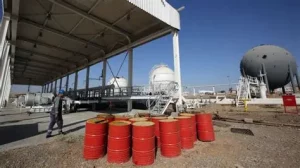
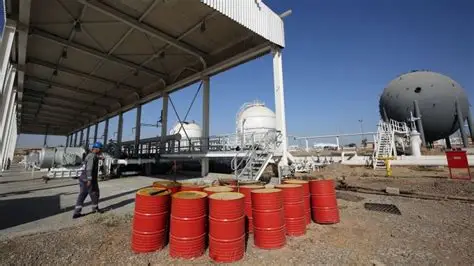
India depends heavily on imported crude oil, making the economy sensitive to any rise in global energy prices. A sharp increase in oil costs can widen the trade deficit because the country spends more dollars on imports.
An official familiar with the report said the concern is not immediate crisis but prolonged strain.
“If oil prices stay high for a long period, the impact on the balance of payments becomes significant. That’s the main risk being monitored,” the official said.
The report added that financial markets may also react to geopolitical shocks, causing volatility in currency and capital flows.

Why the U.S.–Iran Conflict Matters for India
The Middle East plays a crucial role in India’s energy security.
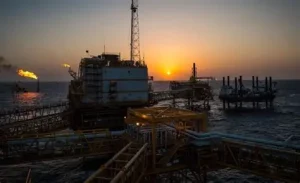
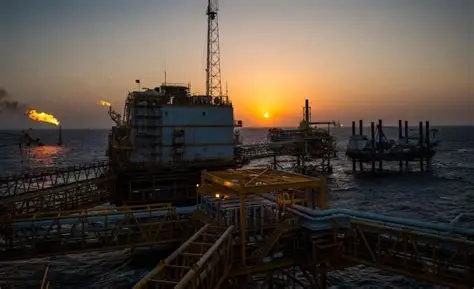
A large share of India’s crude oil imports comes from the region, and the Strait of Hormuz is a key shipping route for those supplies. Any disruption there can push prices higher worldwide.
Economist Dr. Kavita Rao said India is more exposed than many countries.

“India imports most of its oil, so even a small increase in global prices has a direct effect on inflation and the current account,” she said.
Higher oil prices also raise transportation and manufacturing costs, which can slow economic growth.
Balance of Payments Risk Explained
The balance of payments measures all financial transactions between India and the rest of the world.

It includes:
- Trade in goods and services
- Foreign investment
- Currency flows
- Remittances
When oil prices rise, India’s import bill increases.
If exports and capital inflows do not rise at the same time, the balance of payments can weaken.
A weaker external position can put pressure on the rupee and may force policy changes.

Financial analyst Rohit Sen said markets watch this closely.
“Investors look at the current account and forex reserves. If those start moving in the wrong direction, the currency can react quickly,” he said.
Impact on Inflation and Growth
Higher crude prices can affect the economy in several ways.
Fuel becomes more expensive, which pushes up transportation costs.
That can lead to higher prices for food, goods, and services.
If inflation rises too much, the central bank may need to keep interest rates high, which can slow growth.
The Finance Ministry report noted that inflation risks remain under control for now, but geopolitical shocks could change the outlook.

Government officials said India’s foreign-exchange reserves provide some protection, but continued volatility could test that buffer.
Market Reaction and Investor Sentiment
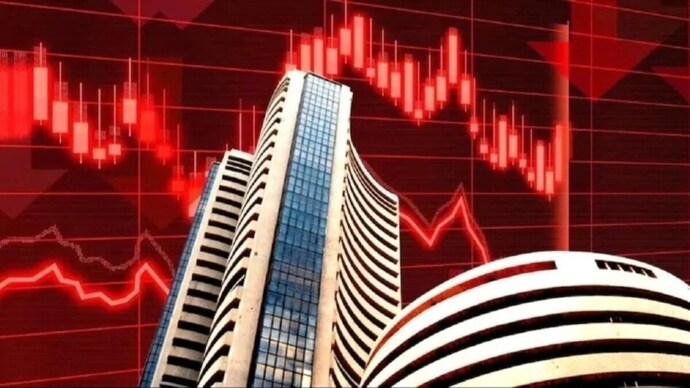
Financial markets have been cautious as tensions in the Middle East increased.
The rupee has shown mild weakness, while oil-sensitive sectors such as airlines and transport stocks have seen pressure.
Investors are also watching global bond yields and the U.S. dollar, which often strengthen during geopolitical uncertainty.
One market strategist said the reaction has been measured so far.
“There is concern, but not panic. Markets are waiting to see whether the conflict escalates or stabilizes,” he said.
Foreign investors tend to move money to safer assets during global conflict, which can affect emerging markets like India.
What Happens Next
Economists say the next phase will depend on how long tensions between the United States and Iran continue.
Risks could increase if:
- Oil prices stay above recent levels
- Shipping routes are disrupted
- Global growth slows
- Capital flows turn negative
Risks may ease if:
- Oil prices stabilize
- Diplomatic talks reduce tension
- Global demand remains strong
The Finance Ministry said it will continue to monitor the situation closely and adjust policy if needed.
FAQ
Why is the U.S.–Iran conflict affecting India?
India imports most of its oil from the Middle East, so higher prices affect the economy.
What is balance of payments?
It is the record of all money flowing in and out of the country.
Why do higher oil prices hurt India?
They increase the import bill, raise inflation, and widen the trade deficit.
Is India facing an economic crisis?
No. The report says risks are elevated but manageable.
Can the rupee weaken because of this?
Yes, if the balance of payments worsens or capital flows slow.
How does oil price affect inflation?
Higher fuel costs increase transportation and production expenses.
What should investors watch now?
Oil prices, global conflict, rupee movement, and foreign investment flows.
Conclusion
The Finance Ministry’s latest report warns that tensions between the United States and Iran could have a longer-lasting effect on India’s economy, mainly through higher oil prices and pressure on the balance of payments.
While the situation remains stable for now, continued geopolitical uncertainty may keep markets volatile. Officials say the focus will remain on managing inflation, protecting external stability, and ensuring adequate reserves.
In the coming weeks, investors and policymakers will be watching oil prices, currency movement, and global developments closely.





Leave a Comment