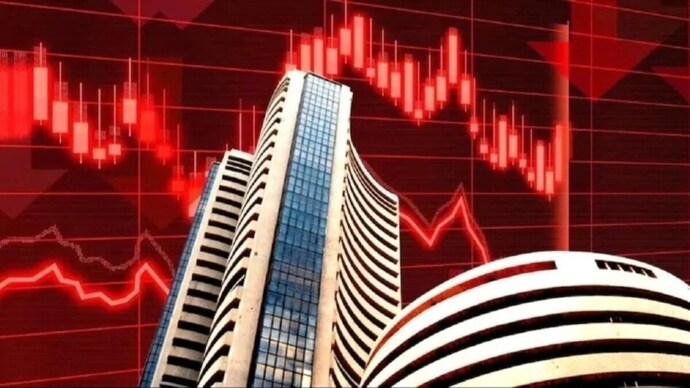
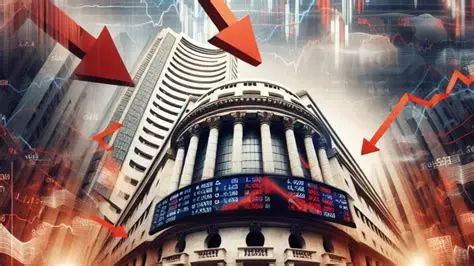
Indian stock markets fell sharply in the latest session, with the Sensex dropping more than 1,500 points as global tensions and rising crude oil prices unsettled investors. The sell-off came after weak signals from international markets and fresh concerns linked to the West Asia conflict.
The decline was broad-based, affecting banking, IT, and energy stocks, as traders reacted to higher oil prices and fears of inflation. When crude rises, markets often worry about slower growth and tighter monetary policy.
Global equity markets also turned negative, adding pressure on domestic indices. Investors moved cautiously, with many shifting money into safer assets.
Market participants are now watching geopolitical developments, oil prices, and central-bank signals to see whether the volatility will continue.
Sensex Falls Over 1,500 Points as Global Markets Turn Weak
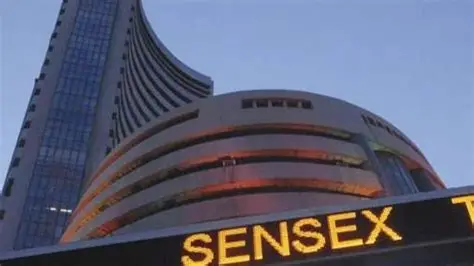
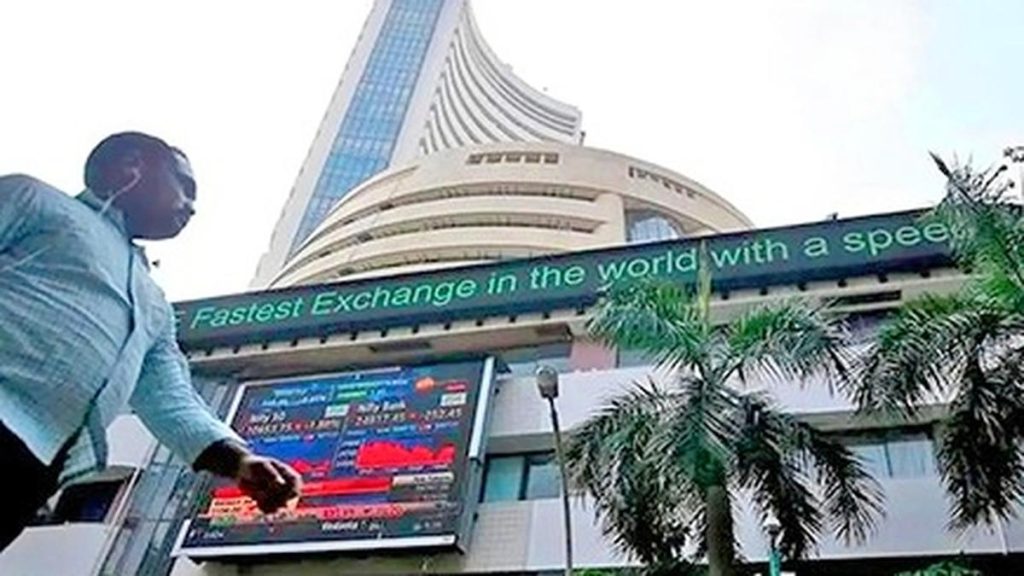
The Sensex dropped more than 1,500 points during the session, while the Nifty also declined sharply as selling pressure increased across sectors.
Traders said the fall was largely triggered by weak global cues after tensions escalated in West Asia, raising fears of supply disruptions and higher crude oil prices.

Higher oil prices are a concern for India because the country imports a large share of its energy needs. When crude becomes expensive, it can increase inflation and hurt corporate profits.
Market analyst Ajay Bagga said global uncertainty has made investors cautious.
“Whenever geopolitical risk rises along with oil prices, emerging markets usually see outflows. That is what we are seeing in today’s trade,” he said.

Why the Stock Market Is Falling Today
Rising Crude Oil Prices
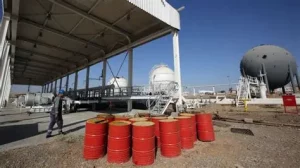
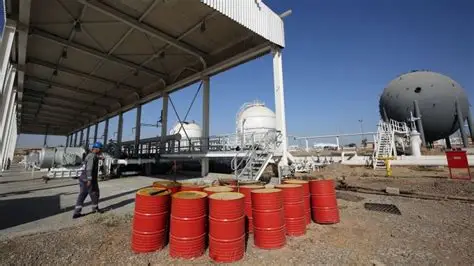
Oil prices moved above key levels in global markets, raising concerns about inflation and higher input costs for companies.
When crude rises sharply, investors worry that central banks may delay interest-rate cuts, which can hurt stock valuations.
Energy economist Vandana Hari said oil volatility often affects equities quickly.
“Higher crude prices create inflation risk, and that makes equity investors nervous,” she said.
West Asia Conflict Impact
Tensions in West Asia have increased uncertainty in global markets.
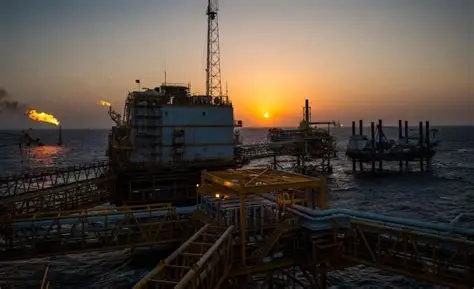
The region is critical for oil supply, and any disruption can affect economies worldwide.
Investors usually reduce risk exposure during geopolitical crises, which leads to selling in stock markets.
Weak Global Market Cues
Asian and European markets traded lower before Indian markets opened, setting a negative tone for the day.
U.S. futures also showed weakness, adding to investor caution.
Foreign institutional investors were seen selling shares, which added pressure on the indices.
Profit Booking After Recent Rally
Markets had risen in previous sessions, and some traders used the negative news as a reason to lock in gains.
Short-term selling often becomes stronger when global uncertainty increases.

Timeline of Today’s Market Fall
The market opened lower following weak global cues.
Selling intensified after oil prices surged and news about the West Asia conflict spread across markets.
Banking, IT, and auto stocks saw heavy pressure during the session.

Mid-cap and small-cap stocks also declined, showing that the fall was not limited to a few sectors.
By the afternoon, the Sensex had dropped more than 1,500 points before recovering slightly, though it remained sharply lower.
Traders said volatility stayed high throughout the day.
How Investors and Experts Are Reacting
Retail investors showed caution, with many avoiding fresh buying.
Institutional investors were more active, with foreign funds reportedly selling in several large-cap stocks.
Market strategist VK Vijayakumar said the reaction was linked to global risk, not domestic weakness.
“The Indian economy remains strong, but global factors like oil prices and geopolitical tensions can cause short-term corrections,” he said.
Some analysts advised investors not to panic during sudden falls.
They noted that markets often recover once uncertainty becomes clearer.
What Could Happen Next in the Stock Market
Several factors will decide the next move in the market:
- Oil price direction
- Developments in West Asia
- U.S. Federal Reserve policy signals
- Foreign investor activity
- Inflation data
If oil continues to rise, markets may remain under pressure.
If tensions ease, stocks could recover quickly.
Traders say the coming sessions may stay volatile as global news continues to influence sentiment.
Key Facts Table
| Event | Location | Date | Who is affected | Current status | What readers should know |
|---|---|---|---|---|---|
| Sensex fall | India | Latest session | Investors, traders | Down 1,500+ points | Global cues negative |
| Oil price surge | Global | Ongoing | Energy importers | Prices rising | Inflation concern |
| West Asia conflict | Middle East | Ongoing | Global markets | Risk high | Supply worries |
| Foreign selling | Indian market | Today | Stocks, funds | Outflows seen | Adds pressure |
| Market volatility | Global | Ongoing | Investors | High | News-driven moves |
FAQ
Why did Sensex fall today?
The market fell due to rising oil prices, global weakness, and tensions in West Asia.
How does oil price affect stock market?
Higher oil prices increase costs for companies and can raise inflation, which hurts stocks.
Is this a market crash?
It is a sharp fall, but analysts say it is linked to global factors, not a major crash.
Should investors worry now?
Experts say volatility is normal during geopolitical events.
Will the market recover?
Recovery depends on oil prices, global news, and investor sentiment.
Why are foreign investors selling?
Foreign funds often reduce risk during global uncertainty.
What should investors watch next?
Oil prices, geopolitical updates, and central-bank decisions.
Conclusion
The Sensex dropped more than 1,500 points as global tensions, rising crude oil prices, and weak international markets triggered a broad sell-off. The fall reflects investor concern about inflation, supply risks, and uncertainty linked to the West Asia conflict.
Market participants are now watching geopolitical developments, oil price movement, and policy signals to understand whether the volatility will continue or stabilize in the coming sessions.






Leave a Comment