Air travel could become more expensive after multiple Indian airlines confirmed plans to introduce a fuel surcharge on flight bookings. The move comes as global oil prices remain volatile due to ongoing tension linked to the U.S.–Israel–Iran conflict.
Air India had earlier announced a fuel surcharge, and now IndiGo and Akasa Air are preparing to take similar steps. Airlines say rising aviation fuel costs are forcing them to adjust ticket pricing.
The decision matters for passengers because fuel charges directly affect airfare, especially on domestic routes. Aviation turbine fuel prices often move with global crude oil rates, which have been unstable since the conflict escalated.
Here is what has happened so far, why airlines are adding the surcharge, and what travelers should expect next.
Why airlines are adding fuel surcharge amid Iran war tension
Airlines said the surcharge is being considered after a sharp rise in fuel expenses linked to geopolitical tension in the Middle East. The conflict has raised concern about oil supply routes, which handle a large share of global consumption.
When crude oil prices rise, aviation turbine fuel becomes more expensive, increasing airline operating costs.

A senior aviation industry official said the move is a response to market pressure rather than a pricing decision.
“Fuel cost is one of the biggest components of airline expenses. When oil prices move up suddenly, airlines have very limited options,” the official said.
Another airline executive said the surcharge is being applied to manage losses caused by recent fuel price fluctuations.

“We are closely monitoring the situation. The surcharge helps balance the impact of higher fuel prices on operations,” the executive said.
Timeline of events: From oil surge to airline surcharge
- Rising tension in Middle East increased oil price volatility
- Aviation fuel costs moved higher in global markets
- Air India announced fuel surcharge on bookings
- IndiGo and Akasa Air prepared similar surcharge plans
- Ticket prices expected to rise on some routes
Industry analysts say the changes happened quickly because fuel prices shifted within days after the conflict intensified.
Airlines typically review fuel surcharge when price changes are sudden and sustained.

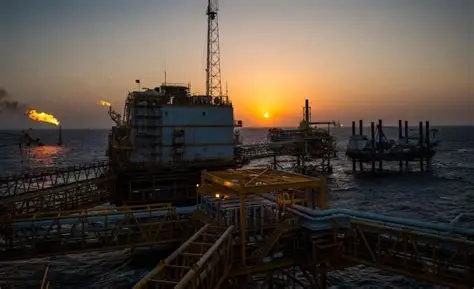
How the US-Israel-Iran conflict is affecting oil and travel
The ongoing geopolitical situation has raised concern about supply disruption in key oil-producing regions. Shipping routes near the conflict zone are important for global energy trade, and any risk to those routes can push prices higher.
Higher oil prices affect not only fuel but also transportation, logistics, and airline operations worldwide.
Market watchers say airlines are among the first industries to respond when fuel costs rise sharply.
“Airlines operate on thin margins, so even a small increase in fuel price can force fare changes,” an aviation analyst said.
Because of that, travelers often see surcharge adjustments before other sectors react.
Impact on passengers and flight bookings
Passengers booking tickets in the coming days may notice higher fares depending on the route and airline.

Fuel surcharge is usually added separately to the base ticket price, meaning the final cost can increase even if the fare itself stays the same.
Travel agents said domestic travelers are likely to feel the change first, followed by international routes if fuel prices remain high.
Some passengers reacted online after reports of the surcharge surfaced, with many saying ticket prices are already expensive.

Others said the move was expected because fuel costs have been rising globally.
Key facts summary
| Event | Location | Date | Who is affected | Current status | What readers should know |
|---|---|---|---|---|---|
| Fuel surcharge announced | India airlines | Latest update | Flight passengers | Being applied | Due to fuel price rise |
| Air India decision | India | Recent | Travelers | Confirmed | Surcharge added |
| IndiGo, Akasa plan | India | Latest | Passengers | Expected soon | Similar surcharge |
| Iran-Israel war impact | Middle East | Ongoing | Global markets | Uncertain | Oil supply risk |
| Oil price volatility | Global | Ongoing | Airlines, travelers | High | Affects ticket cost |
What could happen next with airfare prices
Airfare changes will depend largely on crude oil prices in the coming days. If tension in the Middle East continues, fuel costs may remain high, forcing airlines to keep the surcharge.
If oil prices stabilize, airlines may review the additional charge later.
Industry experts say airlines usually adjust surcharges based on market conditions rather than keeping them permanently.
For now, passengers are advised to check final ticket prices carefully before booking.
FAQ
Why are airlines adding fuel surcharge now?
Airlines are adding the charge because fuel prices increased after tension linked to the Iran conflict pushed oil rates higher.
Which airlines announced the surcharge?
Air India confirmed the surcharge first, and IndiGo and Akasa Air are preparing similar changes.
Will ticket prices increase immediately?
Prices may increase depending on the route, airline, and fuel cost changes.
What is fuel surcharge in flight tickets?
It is an extra charge added to cover higher fuel expenses.
How does war affect flight prices?
Conflict can raise oil prices, which increases aviation fuel cost and leads to higher airfare.
Is the surcharge permanent?
Usually not. Airlines review it based on fuel price trends.
Should passengers book tickets now or wait?
Prices may change depending on oil rates, so travelers should check fares before booking.
Conclusion
Airlines have started applying fuel surcharge after oil price volatility linked to the U.S.–Israel–Iran conflict increased operating costs. Air India has already announced the charge, while IndiGo and Akasa Air are expected to follow.
Travelers are likely to see fare changes in the coming days as airlines respond to fuel price movement. Market watchers will continue to track oil supply risk and geopolitical developments, which remain the key factors affecting ticket prices.







Leave a Comment