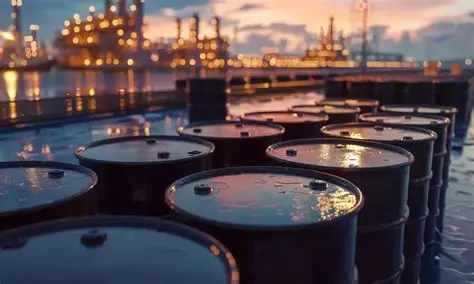
Global oil prices have surged above $115 per barrel as tensions linked to a possible Iran-U.S. conflict rattle energy markets, prompting G7 nations to discuss releasing emergency oil reserves, according to reports. The move is being considered to calm supply fears and prevent further price spikes.
The discussion comes as traders react to growing concerns about disruptions in the Middle East, a region responsible for a large share of the world’s crude supply. Even the risk of conflict has pushed prices sharply higher in recent sessions.
Energy analysts say the situation matters beyond commodity markets. Higher oil prices can quickly affect gasoline costs, inflation, and global economic growth, especially in countries heavily dependent on imports.

Officials have not confirmed a final decision, but sources say the G7 is reviewing options, including a coordinated release from strategic petroleum reserves.
Oil Price Spike Triggers G7 Emergency Talks
Crude oil climbed past $115 per barrel in global trading after reports of rising tension involving Iran and the United States raised fears of supply disruption. The increase marks one of the sharpest moves in recent months.
According to reports, members of the Group of Seven are discussing whether to release oil from emergency reserves to stabilize the market. Such releases are rare and usually happen only during major supply shocks.
Energy markets reacted quickly to the news, with traders pricing in the possibility of reduced exports from the Middle East.
Key News Summary
| Event | Location | Date | Who is affected | Current status | What readers should know |
|---|---|---|---|---|---|
| Oil price surge above $115 | Global markets | March 2026 | Consumers, airlines, industries | Prices rising | Supply fears driving market |
| Iran-U.S. conflict concern | Middle East | Ongoing | Energy sector | Uncertain | Risk to oil supply |
| G7 reserve discussion | G7 countries | March 2026 | Global economy | Under review | Possible reserve release |
| Strategic reserves option | U.S., Europe, Japan | Ongoing | Fuel markets | Not confirmed | Used in emergencies |
| Market volatility | Global | Ongoing | Investors | High | Watching geopolitical news |
Why Oil Prices Jumped Above $115
Oil markets are highly sensitive to geopolitical risk, especially when it involves the Middle East.
Iran is one of the major oil producers in the region, and any disruption to shipping routes or production can affect global supply.

Reports of escalating tension between Iran and the United States triggered heavy buying in crude futures, pushing prices above the $115 level.
Energy strategist Daniel Harper said markets are reacting to uncertainty rather than actual supply loss.
“Even the possibility of conflict in the Gulf region can move oil prices quickly because traders expect supply to tighten,” he said.

Higher shipping risk in the Strait of Hormuz, a key route for global oil trade, is also adding pressure.
What Emergency Oil Reserves Mean
Strategic petroleum reserves are stockpiles maintained by major economies to handle supply disruptions.
Countries in the G7, including the United States, Japan, Germany, the U.K., France, Italy, and Canada, hold large emergency reserves.

These reserves can be released into the market to increase supply and reduce price spikes.
Energy policy analyst Laura Chen said the option is usually considered only during serious crises.
“Reserve releases are meant to calm markets when there is a real risk of shortage. Even talk of a release can sometimes bring prices down,” she said.
Past releases have occurred during wars, hurricanes, and major production cuts.
Timeline of the Current Oil Market Surge
- Early week – Rising Middle East tension reported
- Mid-week – Crude prices climb above $110
- Later sessions – Prices cross $115 per barrel
- Reports emerge – G7 discussing reserve release
- Markets remain volatile
Traders say the speed of the increase forced policymakers to consider intervention sooner than expected.
Funds and institutional investors also increased positions in oil as a hedge against geopolitical risk.
How Higher Oil Prices Affect the Global Economy
Oil prices influence nearly every sector, from transportation to food.
When crude rises sharply, fuel costs increase, which can push inflation higher.
Countries that import most of their energy often feel the impact first.

Economist Rahul Verma said sustained high prices could slow growth.
“If oil stays above $110 for long, it raises costs for businesses and consumers. That can affect inflation and central-bank decisions,” he said.
Airlines, shipping companies, and manufacturing firms are among the most sensitive to oil price changes.
Public and Market Reaction
Financial markets showed mixed reaction after reports of possible reserve releases.
Energy stocks moved higher, while airline shares fell in early trading.
Investors are watching closely for official confirmation from G7 governments.
Some traders believe the market may calm if reserves are released, while others expect volatility to continue as long as geopolitical tension remains.
Retail fuel prices in several countries have already started moving higher, reflecting the rise in crude.
What Happens Next
Officials have not announced any final decision on releasing emergency reserves.
G7 governments are expected to monitor the situation closely, especially developments in the Middle East.
If tensions increase, coordinated action becomes more likely.
If the situation stabilizes, prices could fall without intervention.
For now, the oil market remains sensitive to headlines, with traders reacting quickly to any new report.
FAQ
Why did oil prices rise above $115?
Prices increased due to fears of supply disruption linked to Iran-U.S. tensions in the Middle East.
What is the G7 oil reserve release?
It is a coordinated move where major economies release oil from emergency stockpiles to stabilize prices.
Has the reserve release been confirmed?
No. Reports say discussions are ongoing, but no final decision has been announced.
What are strategic petroleum reserves?
They are emergency oil stockpiles kept by governments to handle supply crises.
Will gasoline prices increase?
Higher crude prices usually lead to higher fuel costs if the trend continues.
Why does the Middle East affect oil prices so much?
The region produces a large share of the world’s oil, and disruptions can reduce supply.
Could oil prices rise further?
Prices may stay volatile depending on geopolitical developments and supply risks.
Conclusion
Oil prices surged above $115 per barrel as rising tension involving Iran and the United States increased fears of supply disruption, prompting reports that G7 nations are discussing a possible emergency reserve release. The move, if confirmed, would aim to stabilize markets and limit the impact on the global economy.
For now, traders and policymakers are watching developments in the Middle East closely, as any escalation or de-escalation could quickly change the direction of energy prices.







Leave a Comment