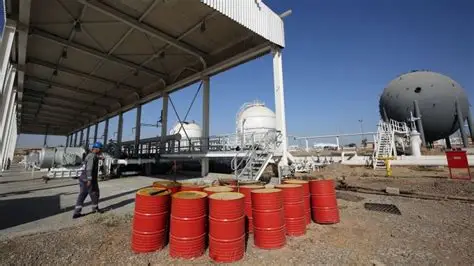
Global oil prices surged past $114 per barrel in the latest trading session as the ongoing Iran war disrupted production and shipping routes, raising concerns about supply shortages. The sharp move marks one of the biggest price spikes since the energy crisis of 2022.
U.S. crude futures crossed the $100 mark for the first time in nearly two years before continuing higher, while Brent crude also jumped to levels not seen since mid-2022. Traders reacted quickly to reports that the conflict could affect key oil-producing regions and major shipping lanes.
Energy markets are highly sensitive to geopolitical risks, and tensions involving Iran often trigger strong reactions because of the country’s role in global oil supply and its proximity to critical trade routes.

The latest surge matters for consumers worldwide, as higher crude prices often lead to increased gasoline costs, rising transportation expenses, and broader inflation pressure.
Key Facts at a Glance
| Event | Location | Date | Who is affected | Current status | What readers should know |
|---|---|---|---|---|---|
| Oil prices surge above $114 | Global oil markets | Latest trading session | Consumers, airlines, industries | Prices rising sharply | Conflict raising supply fears |
| Iran war impacts production | Middle East | Ongoing | Oil producers, traders | Supply uncertainty | Iran region critical for oil |
| Shipping risks increase | Strait of Hormuz region | Ongoing | Global trade | Routes under threat | Major oil shipments pass here |
| U.S. crude above $100 | U.S. futures market | First time since 2022 | Investors, fuel buyers | Prices climbing | Last seen June 2022 |
| Brent above $104+ | Global benchmark | Highest since 2022 | Global markets | Volatile | War risk driving rally |
Oil Prices Spike as Iran War Raises Supply Concerns
Oil markets moved sharply higher after reports that the Iran war could interfere with both production facilities and shipping routes in the Middle East.
Iran sits near the Strait of Hormuz, one of the most important oil transit points in the world. A large portion of global crude exports passes through this narrow waterway every day.

Any threat to that route can immediately push prices higher.
“Markets react fast when supply risk appears in the Gulf region,” said an energy analyst at a London-based commodities firm. “Even the possibility of disruption is enough to move prices.”
Traders began buying oil futures as a precaution, driving prices above levels seen in the past two years.

Highest Oil Prices Since 2022 Energy Crisis
The last time U.S. crude futures traded above $100 per barrel was on June 30, 2022, when prices reached $105.76 during the global energy crunch following the Russia-Ukraine war.
Brent crude, the international benchmark, last crossed the $104 level on July 29, 2022.
This week’s rally pushed both benchmarks close to those highs again, with some contracts moving even higher during intraday trading.

Analysts say the current jump shows how quickly oil markets can react when geopolitical risk returns.
“When conflict involves a major producing region, price swings can happen in hours, not weeks,” one senior oil trader said.
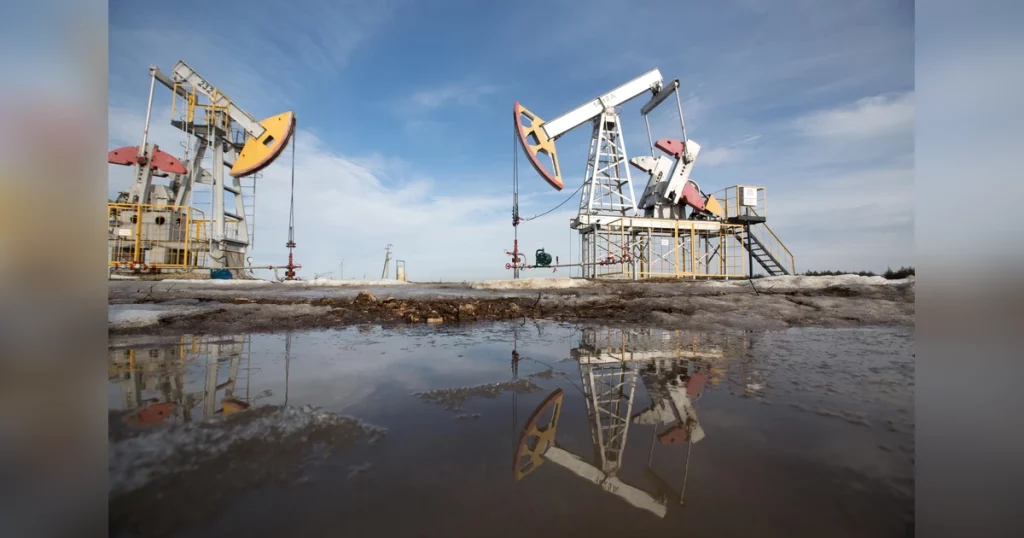
Shipping Routes Under Threat in the Middle East
One of the main reasons for the surge is concern over shipping safety near Iran.

The Strait of Hormuz handles roughly one-fifth of the world’s oil supply. Tankers from Saudi Arabia, Iraq, the UAE, and other producers pass through the area daily.
If the conflict expands, shipping delays or blockades could limit supply.
Energy economists say markets often price in the risk before any actual disruption occurs.

“A small interruption in the Gulf can have global impact,” said a researcher at an international energy policy group. “That’s why traders react early.”
Insurance costs for oil tankers have also risen, adding to the pressure on prices.
Production Risks Add to Market Anxiety
Along with shipping concerns, traders are also watching for possible damage to oil facilities in the region.

Iran is a major producer, and neighboring countries also pump large volumes of crude.
Any attack on infrastructure, pipelines, or export terminals could reduce supply quickly.
Energy companies have not yet reported major losses, but uncertainty alone has been enough to move markets.
Investors often buy oil contracts during conflicts as a hedge against future shortages.
Impact on Gas Prices and Inflation
Higher crude oil prices usually lead to higher fuel costs.
Gasoline, diesel, and jet fuel all depend on crude, so consumers may see prices rise if the rally continues.
Airlines, shipping companies, and manufacturers are especially sensitive to oil costs.
Economists warn that sustained price increases could also slow efforts to control inflation.
“When oil goes up, it tends to show up everywhere — from transport to food prices,” an economist said.
Central banks may also watch the situation closely, since energy costs influence interest-rate decisions.
Market Reaction Shows Strong Demand for Energy Security
Investors have been cautious in recent months, but the latest conflict has pushed energy security back into focus.
Some traders believe prices could remain volatile until there is more clarity about the situation in the Middle East.
Others expect sharp swings depending on news from the region.
Oil markets often move on headlines, especially during military conflicts.
So far, the rally reflects fear of disruption rather than confirmed supply loss.
What Could Happen Next in Oil Markets
Analysts say oil prices will depend on several factors in the coming days:
- Whether the conflict spreads to other countries
- If shipping routes remain open
- Any damage to production facilities
- Decisions by major producers such as OPEC
- Demand outlook from the U.S., China, and Europe
If tensions ease, prices could fall quickly.
If risks grow, oil could move even higher.
FAQ
Why did oil prices rise above $114?
Prices increased because the Iran war raised fears of supply disruptions and shipping risks in the Middle East.
When was the last time oil crossed $100?
U.S. crude last traded above $100 on June 30, 2022, during the global energy crisis.
Why is the Strait of Hormuz important?
It is one of the world’s main oil shipping routes, carrying a large share of global supply.
Will gas prices go up now?
Higher crude prices often lead to higher gasoline prices if the trend continues.
Is oil supply actually disrupted yet?
Markets are reacting to risk. Major confirmed disruptions have not been widely reported.
Could oil prices rise further?
Yes, if the conflict spreads or shipping routes are blocked.
Who is most affected by rising oil prices?
Consumers, airlines, trucking companies, and industries that depend on fuel.
Conclusion
Oil prices moved sharply higher after the Iran war raised concerns about production and shipping in one of the world’s most important energy regions. The surge pushed crude above levels last seen in 2022, showing how sensitive markets remain to geopolitical risk.
Traders will continue watching developments in the Middle East, shipping activity in the Gulf, and statements from major oil producers to determine whether prices stabilize or climb further.








Leave a Comment