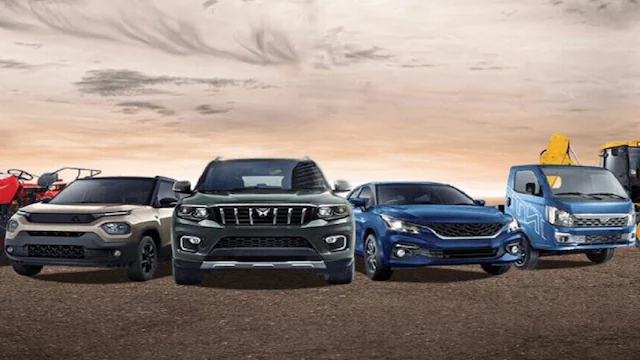
General Motors is back in India, but not in the way many expected. The U.S.-based automaker is returning to the country without launching new cars, choosing instead to focus on the fast-growing auto aftermarket business.
The company plans to sell spare parts and related services in India’s estimated $12 billion aftermarket sector, a move seen as a lower-risk way to re-enter one of the world’s largest car markets. The decision comes years after GM stopped selling vehicles in India and shut down most of its local operations.
India is now the third-largest automobile market globally, and demand for vehicle maintenance, replacement parts, and repair services continues to grow as more cars stay on the road longer.

Industry analysts say the strategy allows General Motors to rebuild its presence in the country without investing heavily in manufacturing or competing directly with established carmakers.
General Motors Re-Entry Into India – Key Details
General Motors has restarted operations in India through its global aftermarket division, focusing on selling original spare parts and vehicle components rather than new vehicles.
The company will supply parts for Chevrolet models that were previously sold in India, along with selected global products through authorized distributors.

Officials say the plan is designed to serve existing GM vehicle owners while tapping into the broader replacement-parts market.
Key News Summary
| Event | Location | Date | Who is affected | Current status | What readers should know |
|---|---|---|---|---|---|
| GM returns to India | India | 2026 | Car owners, dealers, aftermarket firms | Operations restarted | Focus on spare parts |
| No new car launch | India | 2026 | Auto buyers | No production planned | Low-risk strategy |
| Aftermarket expansion | India | Ongoing | Repair & parts sector | Growing market | Worth ~$12B |
| Previous exit | India | 2017 | GM customers | Sales stopped earlier | Support continues |
| Future plans unclear | India | Ongoing | Industry watchers | Limited presence | Watching demand |
Why General Motors Left India Earlier
General Motors stopped selling cars in India in 2017 after struggling to compete with local and global rivals.
The company faced challenges including:

- Strong competition from Maruti Suzuki, Hyundai, and Tata Motors
- High production costs
- Low market share
- Changing consumer preferences
After the exit, GM continued limited support for existing customers but shut down most retail operations.
The company later sold one of its manufacturing plants, while another facility was used for exports for some time.
Industry expert Rakesh Batra said the earlier exit forced GM to rethink its approach.

“India is a difficult market for global automakers. The margins are thin, and competition is intense. Entering through the aftermarket allows GM to stay present without heavy investment,” he said.
Why GM Is Now Targeting the Aftermarket Business
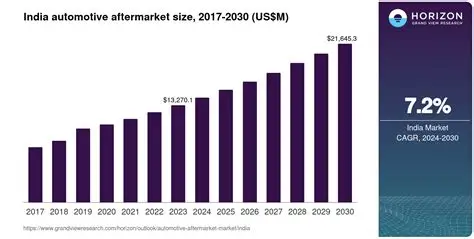
India’s automotive aftermarket includes spare parts, accessories, repair services, and maintenance products.
The sector is estimated to be worth around $12 billion and is growing as the number of vehicles on the road increases.
Unlike car manufacturing, the aftermarket business requires less capital and carries lower risk.
Auto analyst Priya Menon said the move reflects a practical strategy.
“The aftermarket is one of the most stable parts of the auto industry in India. Even if new car sales slow, people still need parts and repairs,” she said.
GM plans to sell genuine parts through distributors and service networks, focusing on reliability and brand recognition.
Timeline of GM’s Exit and Return
- 2017 – GM stops selling cars in India
- 2018–2020 – Manufacturing reduced, plant sold
- 2021–2024 – Limited export operations continue
- 2025 – Aftermarket strategy planned
- 2026 – Spare-parts business relaunched
The company has not announced any plan to restart car production in India.
How Big the India Aftermarket Has Become
India’s vehicle population has grown rapidly over the past decade.

More cars staying on the road means higher demand for replacement parts, especially for older vehicles.
Independent garages and local suppliers dominate the market, but demand for original parts remains strong.
Auto consultant Vivek Sharma said global brands see opportunity in this segment.

“Customers are willing to pay more for genuine parts, especially for safety and performance. That is where companies like GM can compete,” he said.
The aftermarket also benefits from the rise of online parts sales and organized service networks.
Public and Industry Reaction
The announcement has drawn mixed reactions from industry watchers.
Some expected GM to return with electric vehicles or new models, while others say the cautious approach makes sense.
Former GM customers welcomed the move, saying it could improve availability of original parts.
Dealers, however, said the absence of new cars limits the company’s visibility in the market.
What Happens Next
General Motors has not ruled out expanding its presence in India in the future, but officials have not announced any plan to resume vehicle sales.
For now, the focus remains on building a stable aftermarket business and supporting existing customers.
Industry analysts say the company will likely watch market conditions before making any larger investment.
If the aftermarket strategy succeeds, it could open the door for broader operations later.
FAQ
Is General Motors selling cars in India again?
No. GM has returned to India only to sell spare parts and aftermarket products.
Why did GM leave India earlier?
The company struggled with low sales, strong competition, and high costs.
What is the aftermarket business?
It includes spare parts, repair services, and accessories sold after a vehicle is purchased.
How big is India’s auto aftermarket?
The sector is estimated to be worth about $12 billion.
Will Chevrolet cars return to India?
There is no official announcement about restarting car sales.
Who benefits from GM’s return?
Existing GM car owners, repair shops, and parts distributors may benefit.
Could GM launch cars in India later?
The company has not confirmed any future vehicle plans.
Conclusion
General Motors’ return to India marks a cautious but strategic shift, with the company focusing on the growing aftermarket sector instead of restarting car sales. The move allows the automaker to re-enter one of the world’s largest auto markets without the high costs of manufacturing and retail operations.
For now, the company’s success will depend on how well it builds its spare-parts business. Industry watchers will be looking for any sign of whether this limited return could eventually lead to a larger comeback.








Leave a Comment