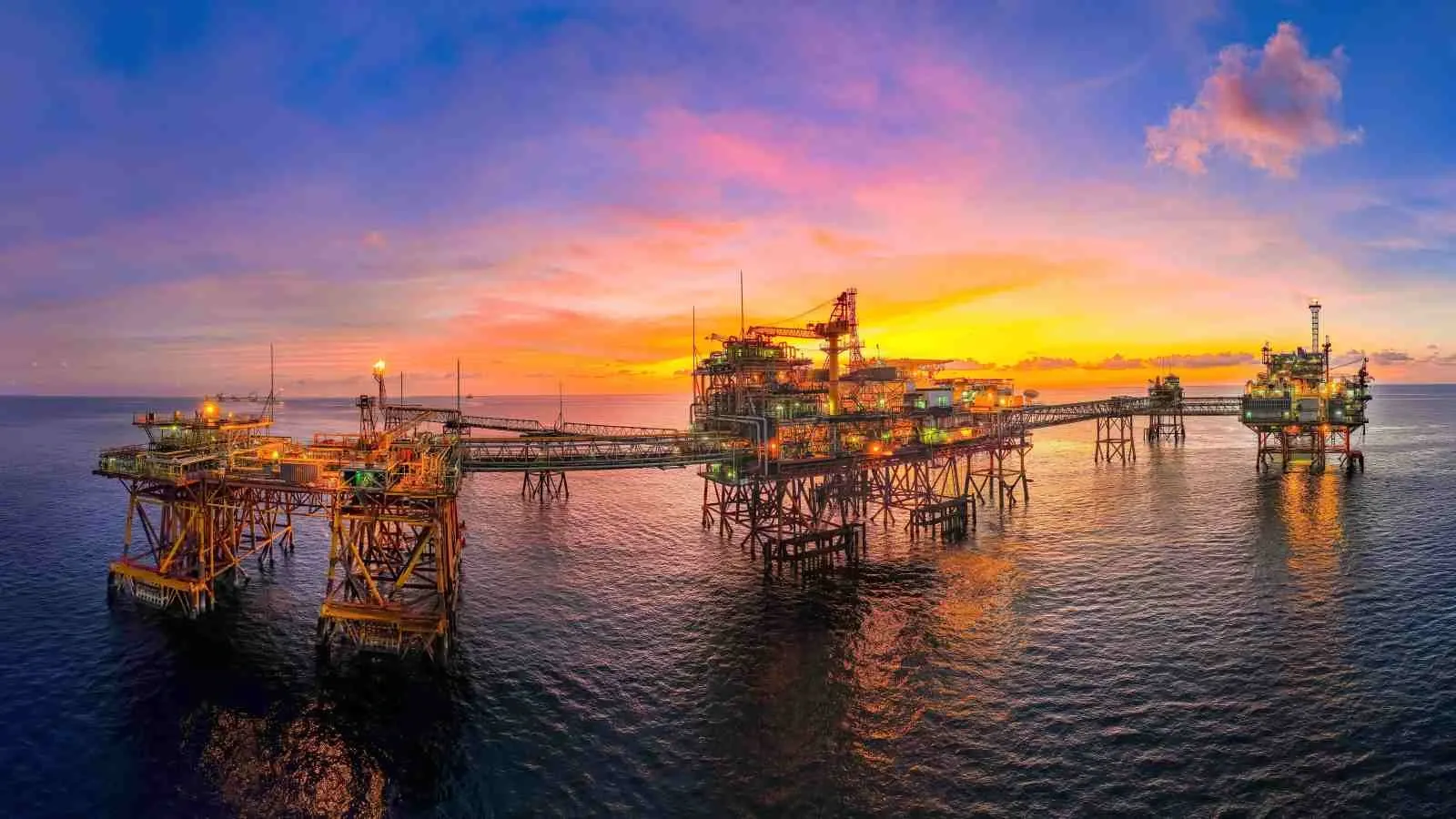
Oil prices moved higher on March 16, 2026, climbing above the $100-per-barrel mark after fresh tensions involving the United States and Iran rattled global markets. The increase came after former U.S. President Donald Trump issued a warning related to Iran, raising fears of further escalation in the Middle East.
Brent crude and West Texas Intermediate both gained around 1% in early trading, extending the recent rally driven by geopolitical risk and supply concerns. Traders reacted quickly, pushing prices higher as the possibility of disruption in one of the world’s key oil-producing regions returned to focus.
The move matters beyond energy markets. Higher oil prices can affect inflation, interest rates, stock markets, and currencies, making crude one of the most closely watched indicators during global tensions.

Here is a closer look at why oil prices are rising today, what triggered the jump, and what analysts expect next.
Key Facts at a Glance
| Event | Location | Date | Who is affected | Current status | What readers should know |
|---|---|---|---|---|---|
| Oil price surge | Global markets | March 16, 2026 | Consumers, investors, governments | Prices above $100 | Triggered by geopolitical tension |
| Trump warning on Iran | U.S. / Middle East | March 2026 | Energy market | Ongoing | Fear of supply disruption |
| Brent crude movement | International market | March 16, 2026 | Traders | Up ~1% | Strong risk premium |
| WTI crude movement | U.S. market | March 16, 2026 | Investors | Up ~1% | Supply worries |
| Inflation concern | Global | Ongoing | Central banks, consumers | Rising risk | Higher oil → higher prices |
Oil Price Today: Crude Crosses $100 After Iran Tension
Crude oil prices climbed in early Monday trade, with Brent crude moving above the $100 per barrel level and U.S. West Texas Intermediate also posting gains.
The rise followed renewed geopolitical concern after comments linked to Iran increased fears of conflict in the Middle East, a region responsible for a large share of global oil supply.
Energy traders said the market quickly added a risk premium to prices.
An oil market analyst told financial media,
“When there is any threat involving Iran, the market reacts immediately because the region is critical for global supply.”
Even small disruptions in the region can lead to sharp price swings.

Trump’s Latest Statement Triggers Market Reaction
The latest move came after remarks from Donald Trump that were seen by traders as a warning toward Iran. While no immediate action followed, the statement was enough to push oil prices higher.
Markets often react to political signals before any real change happens on the ground.
A commodities strategist said,
“Oil markets trade on expectations. If there is even a chance of conflict affecting supply, prices go up before anything actually happens.”

Investors worry that tensions could affect shipping routes or production in the Gulf region.
Why Iran Tension Matters for Oil Supply
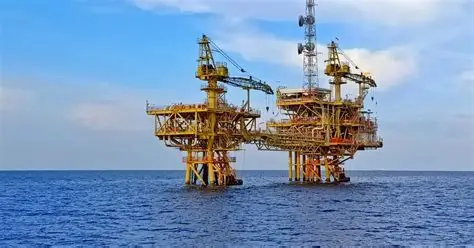
Iran sits near the Strait of Hormuz, one of the most important oil routes in the world. A large portion of global crude passes through this narrow waterway.
Any threat to that route can quickly push prices higher.

Energy experts say the market is especially sensitive right now because supply is already tight.
An energy consultant told a business channel,
“Supply margins are not very large at the moment. That means even small geopolitical risks can have a big impact on prices.”
Because of this, traders often react strongly to political developments involving Iran.
Timeline of Recent Oil Price Movement
- Early March 2026 — Oil rises on supply concerns
- Last week — Middle East tensions increase
- Weekend — Trump issues warning linked to Iran
- March 16 — Crude jumps about 1%, crosses $100
- Current trend — Market watching for escalation
Analysts say the rally is being driven more by risk fears than actual shortage.
Higher Oil Prices Raise Inflation Worries
The rise in crude prices could affect more than just fuel costs.
Higher oil often leads to higher transportation, manufacturing, and food prices, which can push inflation up. When inflation rises, central banks may keep interest rates high for longer.
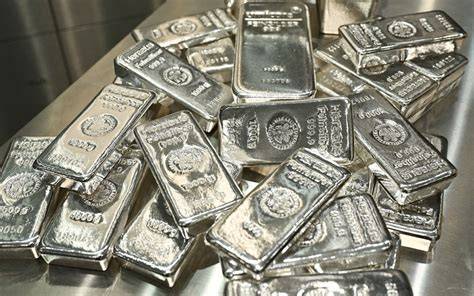
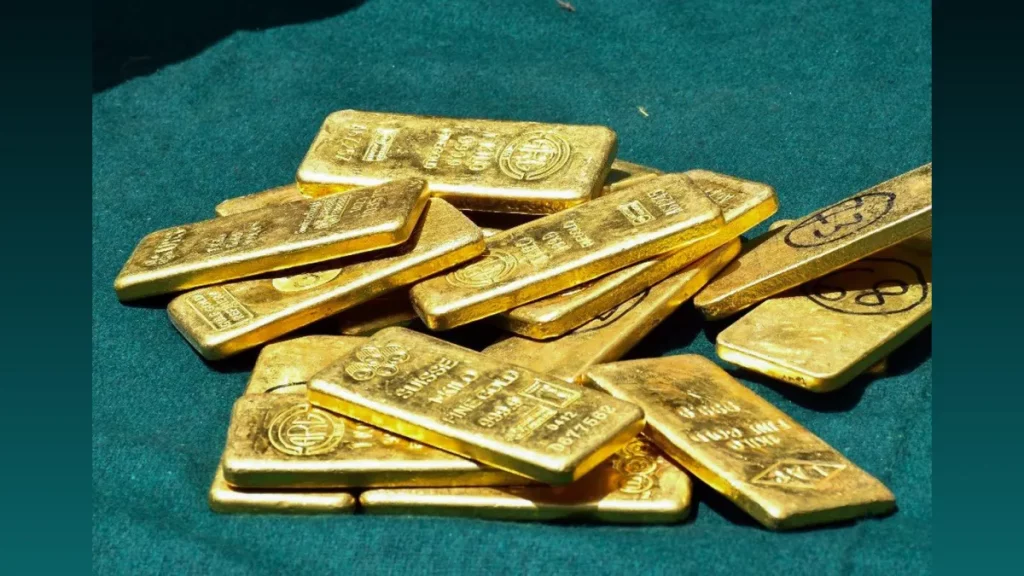
That can affect stock markets and commodities like gold and silver.
A market economist said,
“If oil stays above $100, inflation pressure will increase again, and that could delay rate cuts in many countries.”
This is why traders across different markets are watching oil closely.

Impact on Stock Market, Currency, and Gold
Oil prices influence several financial markets at the same time.
- Stocks may fall if fuel costs rise
- The dollar often strengthens during global risk
- Gold may move depending on inflation outlook
- Emerging markets can face pressure
Traders said Monday’s move in oil already affected currency and equity markets in early trading.
A dealer said,
“When crude jumps suddenly, everything reacts — stocks, rupee, gold, bonds. Oil is one of the biggest drivers of sentiment.”
What Analysts Expect Next
Experts say the next move in oil will depend on whether tensions increase or calm down.
If conflict risk grows, prices could move higher.
If there is no escalation, the rally may slow.
Key factors to watch:
- U.S.–Iran developments
- OPEC supply decisions
- Global demand outlook
- Interest-rate expectations
For now, the market remains sensitive to headlines.
FAQ
Why did oil price rise today?
Oil rose after fresh geopolitical tension involving Iran raised fears of supply disruption.
Did crude really cross $100?
Yes, Brent crude moved above $100 per barrel in early trading on March 16, 2026.
How does Iran affect oil prices?
Iran is located near major oil routes, so conflict risk can threaten global supply.
Will petrol prices increase?
If oil stays high for long, fuel prices may rise in many countries.
Does oil price affect stock market?
Yes, higher oil can increase inflation and pressure equities.
Why do markets react to political statements?
Traders price in future risk, not just current events.
Can oil go higher from here?
It depends on geopolitical developments and supply conditions.
Conclusion
Oil prices climbed above $100 on March 16 as geopolitical tension involving Iran pushed traders to add a risk premium to the market. The move shows how sensitive energy prices remain to political signals, especially when supply conditions are tight.
Higher crude prices could influence inflation, interest-rate decisions, and global markets in the coming days. Investors are watching developments closely, as the next direction for oil will likely depend on whether tensions ease or escalate.
For now, the market remains focused on headlines from Washington and the Middle East.







Leave a Comment