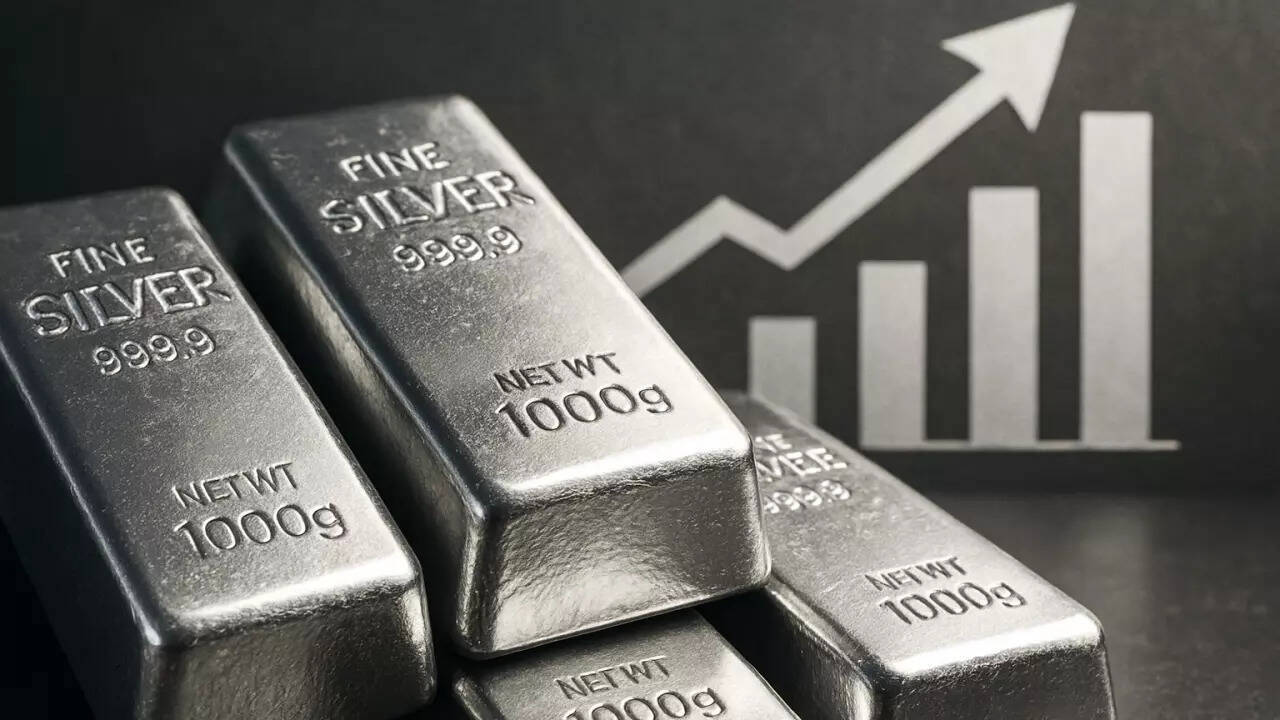
Silver prices have fallen sharply this week, dropping nearly ₹5,000 per kilogram despite ongoing geopolitical tension in the Middle East that would normally support precious metals. The unexpected decline has raised questions among investors about whether the white metal is losing its safe-haven appeal.
Market data shows silver slipped across global and Indian markets over the past several sessions, even as gold remained relatively stable. Analysts say the fall is linked to industrial demand concerns, currency movement, and profit-booking by traders.
The drop matters because silver is widely used not only as an investment metal but also in electronics, solar panels, and manufacturing. When prices fall during periods of global uncertainty, it often signals deeper shifts in the commodity market.

Investors are now watching closely to see whether the correction is temporary or a sign of a longer-term change in the silver investment story.
Silver Price Crash This Week – Key Details
Silver prices declined by roughly ₹5,000 per kilogram this week in domestic markets, tracking weakness in global bullion trade. The fall came even as tensions in the Middle East continued, a situation that usually pushes investors toward safe-haven assets.
In India, benchmark silver rates dropped below recent highs, while international prices also softened after a strong rally earlier this year.

Traders say the move was driven more by market positioning than by geopolitical developments.
Key News Summary
| Event | Location | Date | Who is affected | Current status | What readers should know |
|---|---|---|---|---|---|
| Silver price drop | Global & India | Week of March 2026 | Investors, traders, jewelers | Prices down ~₹5,000 | Correction after rally |
| Middle East tension continues | Global | Ongoing | Commodity markets | Unresolved | Gold steady, silver weak |
| Industrial demand concern | Global | March 2026 | Manufacturing sector | Slowing | Impacts silver more |
| Dollar movement impact | U.S. / global | March 2026 | Precious metals | Ongoing | Stronger dollar pressures silver |
| Market outlook uncertain | Global bullion trade | Ongoing | Investors | Volatile | Watch economic data |
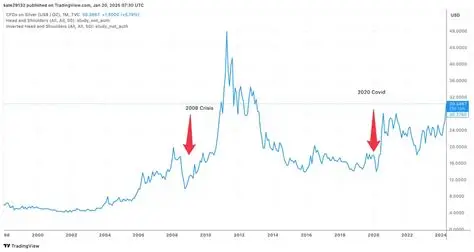
Why Silver Fell Despite Middle East Crisis
Precious metals usually rise when geopolitical tension increases. However, silver behaves differently from gold because a large part of its demand comes from industry.
Analysts say concerns about slowing manufacturing activity reduced demand expectations, which put pressure on prices.

Commodity analyst Ritesh Mehra said the current fall reflects mixed signals in the market.
“Silver is both a precious metal and an industrial metal. When growth concerns appear, the industrial side often dominates, and prices can fall even during geopolitical stress,” he said.
The stronger U.S. dollar also played a role. When the dollar rises, commodities priced in dollars become more expensive for global buyers, which can reduce demand.

Industrial Demand Plays a Bigger Role in Silver
Unlike gold, silver is heavily used in electronics, solar panels, batteries, and medical equipment. Because of this, economic growth expectations have a direct impact on prices.
Recent reports showing slower manufacturing activity in some regions have made traders cautious.
Market strategist Neha Kapoor said the correction does not necessarily mean the long-term trend has changed.

“Silver had rallied strongly earlier, so some profit-booking was expected. The current fall looks like a correction rather than the end of the investment cycle,” she said.
Lower demand from industrial buyers can quickly outweigh safe-haven buying during uncertain times.
Timeline of This Week’s Price Fall
- Early week: Silver trading near recent highs
- Mid-week: Dollar strengthens, metals soften
- Later sessions: Industrial demand concerns grow
- End of week: Prices down nearly ₹5,000 per kg
Traders also pointed to technical selling after silver failed to hold key resistance levels in global markets.
Such moves often trigger automated selling by funds and short-term traders.
Why Gold Stayed Strong While Silver Fell
Gold and silver usually move together, but not always.
Gold is considered a pure safe-haven asset, while silver reacts more to economic growth signals.
During the current week, gold held steady because investors continued to hedge against geopolitical risk. Silver, however, faced pressure from weaker industrial outlook.
Bullion dealer Amit Soni said the divergence is not unusual.
“When uncertainty comes from economic slowdown rather than financial crisis, silver tends to underperform gold. That is what we are seeing right now,” he said.
This difference often appears during periods when markets are unsure about growth.
What Investors Are Saying
Retail investors remain divided after the sudden fall.
Some see the drop as a buying opportunity, while others worry that the metal could remain volatile.
Jewelry traders in major cities reported slower demand after prices turned unpredictable.
Large investors, meanwhile, are waiting for clearer signals from global markets before taking fresh positions.
What Could Happen Next in Silver Market
Traders are now watching several factors that could decide the next move:
- U.S. inflation data
- Federal Reserve interest-rate outlook
- Industrial production numbers
- Currency movement
- Geopolitical developments
If industrial demand improves, silver could recover quickly.
If economic slowdown fears increase, prices may remain under pressure.
For now, the market remains cautious.
FAQ
Why did silver prices fall this week?
Silver dropped due to industrial demand concerns, a stronger dollar, and profit-booking after a recent rally.
How much did silver fall?
Prices declined by around ₹5,000 per kilogram in domestic markets this week.
Why didn’t silver rise during the Middle East crisis?
Silver depends heavily on industrial demand, which weakened despite geopolitical tension.
Is silver still a good investment?
Analysts say silver remains volatile and depends on both economic growth and safe-haven demand.
Why does silver move differently from gold?
Gold is mainly a safe-haven asset, while silver is also used in manufacturing.
Could silver prices recover soon?
Future movement depends on inflation data, global growth outlook, and currency changes.
Should investors worry about the drop?
Short-term corrections are common in commodity markets, especially after strong rallies.
Conclusion
Silver prices fell sharply this week, dropping about ₹5,000 despite ongoing geopolitical tension in the Middle East. The decline highlights the metal’s dual role as both an investment asset and an industrial commodity.
While gold remained steady, silver reacted more to economic signals than to global conflict, leaving investors cautious in the short term.
Market participants are now focused on upcoming economic data and central-bank decisions, which could determine whether the recent fall continues or turns into a recovery.







Leave a Comment