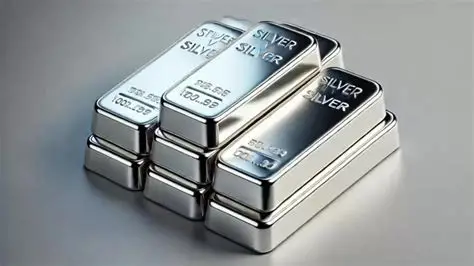
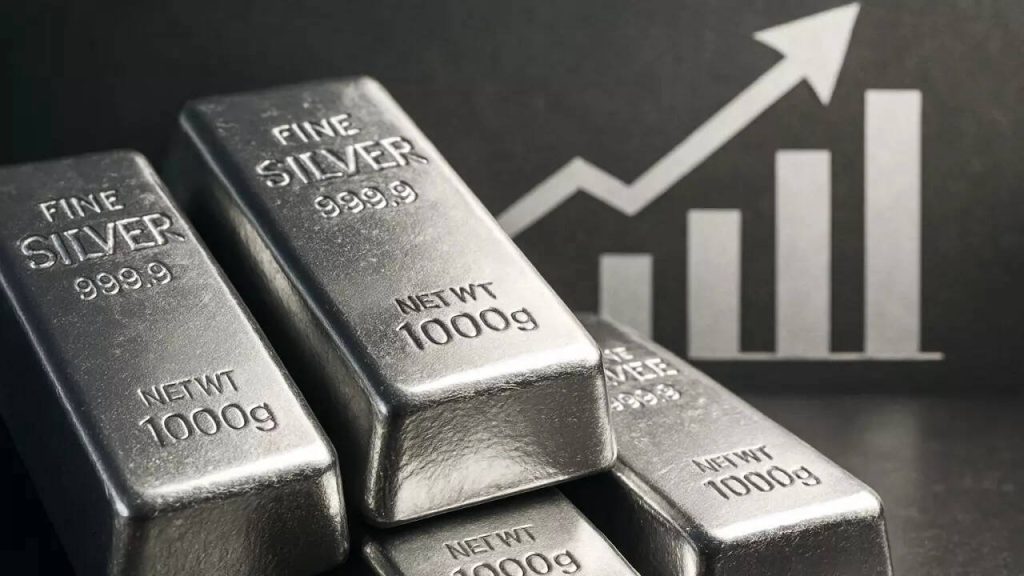
Silver prices posted a sharp gain on Wednesday, rising more than 3% in global trade.
The jump came as geopolitical tensions between the United States and Iran intensified, pushing investors toward safe-haven assets. A softer U.S. dollar added further support, making dollar-priced commodities like silver more attractive.
The move matters for both investors and industrial buyers. Silver plays a dual role — as a precious metal during uncertainty and as a key industrial input in electronics and solar manufacturing.
The latest surge signals renewed volatility in commodity markets.
Silver Price Snapshot
| Event | Location | Date | Who Is Affected | Current Status | What Readers Should Know |
|---|---|---|---|---|---|
| Silver price surge over 3% | Global markets (U.S., Asia trading hubs) | March 5, 2026 | Investors, industrial users, bullion traders | Prices sharply higher | Driven by US-Iran tensions and weaker U.S. dollar |
Why Silver Prices Jumped Over 3%
The rally followed renewed geopolitical concerns involving the United States and Iran.
Heightened tensions in the Middle East often push investors toward safe-haven assets such as gold and silver. While gold typically leads during crises, silver tends to follow — and sometimes moves more sharply due to thinner liquidity.

At the same time, the U.S. dollar weakened in currency markets. Because silver is priced in dollars globally, a softer dollar makes it cheaper for overseas buyers, increasing demand.
“Geopolitical risk always brings volatility into precious metals,” said Daniel Pavilonis, senior market strategist at RJO Futures. “Silver tends to amplify gold’s move when uncertainty rises.”
Background: Silver’s Dual Role in Markets
Silver is not just a safe-haven metal.

Roughly half of global silver demand comes from industrial uses, including solar panels, electric vehicles, and electronics manufacturing. That makes silver more sensitive to both economic growth and investor sentiment.
In recent months, silver prices have moved within a wide range, responding to shifting expectations about U.S. interest rates, inflation data, and global growth trends.
When geopolitical risk enters the picture, the safe-haven demand can temporarily outweigh industrial concerns.
Ole Hansen, head of commodity strategy at Saxo Bank, noted in a recent market commentary, “Silver’s volatility often exceeds gold’s during periods of macro uncertainty because it straddles both the investment and industrial worlds.”
Timeline of the Latest Move
Early this week, markets were already reacting to currency weakness.
By midweek, reports of escalating rhetoric and military positioning in the Middle East triggered broader risk aversion. Equity markets turned cautious, oil prices ticked higher, and precious metals gained momentum.
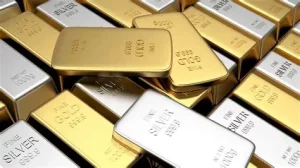
Silver accelerated during U.S. trading hours, climbing more than 3% in a single session — one of its sharper daily moves in recent weeks.
The gains were mirrored in futures markets and exchange-traded products tied to silver.
How the Weak Dollar Amplified Gains
The U.S. dollar index slipped as investors reassessed interest rate expectations and global risk conditions.

A weaker dollar typically supports commodities. For silver, that relationship is often pronounced.
“When the dollar retreats, metals usually get a lift,” said Edward Meir, metals consultant at Marex. “Add geopolitical risk to the mix, and you have a setup for an outsized move.”
The currency effect made silver more affordable to buyers using other currencies, adding another layer of demand.
Market Reaction and Investor Sentiment
Trading desks reported increased activity in silver-related products.
Retail investors also showed renewed interest, particularly in exchange-traded funds backed by physical silver. Some traders view silver as a more accessible alternative to gold during price spikes.
However, analysts caution that silver’s volatility cuts both ways. Gains can reverse quickly if geopolitical tensions ease or if the dollar rebounds.
Equity markets remained mixed, reflecting broader uncertainty.
What Happens Next for Silver Prices?
The near-term outlook depends largely on geopolitical developments and currency movement.
If tensions between the U.S. and Iran escalate further, safe-haven demand could continue to support silver prices. Conversely, diplomatic de-escalation may reduce risk premiums in precious metals.
Interest rate expectations will also remain a key driver. Higher rates tend to pressure non-yielding assets like silver, while expectations of easing policy can offer support.
Industrial demand trends — particularly in renewable energy and electronics — will shape longer-term price direction.
For now, markets appear focused on geopolitical headlines.
Frequently Asked Questions (FAQs)
Why did silver rise more than 3% today?
Silver gained on rising US-Iran tensions and a weaker U.S. dollar, both of which typically support precious metals.
How does the U.S. dollar affect silver prices?
Silver is priced in dollars globally. When the dollar weakens, silver becomes cheaper for international buyers, increasing demand.
Is silver considered a safe-haven asset?
Yes. During geopolitical uncertainty, investors often turn to silver and gold to hedge risk.
Does industrial demand affect silver prices?
Yes. Silver is widely used in electronics, solar panels, and electric vehicles, making it sensitive to global economic trends.
Could silver prices fall quickly?
Yes. Silver is known for volatility. Prices can retreat if geopolitical tensions ease or if the dollar strengthens.
Is silver more volatile than gold?
Generally, yes. Silver often experiences larger percentage swings compared to gold.
What Investors Should Watch Next
Markets will closely monitor developments involving the United States and Iran, along with movements in the U.S. dollar.
Central bank commentary and economic data could also shift sentiment quickly.
Silver’s recent move highlights how fast conditions can change when geopolitics and currency markets intersect. Traders and investors are likely to remain alert in the days ahead.






Leave a Comment