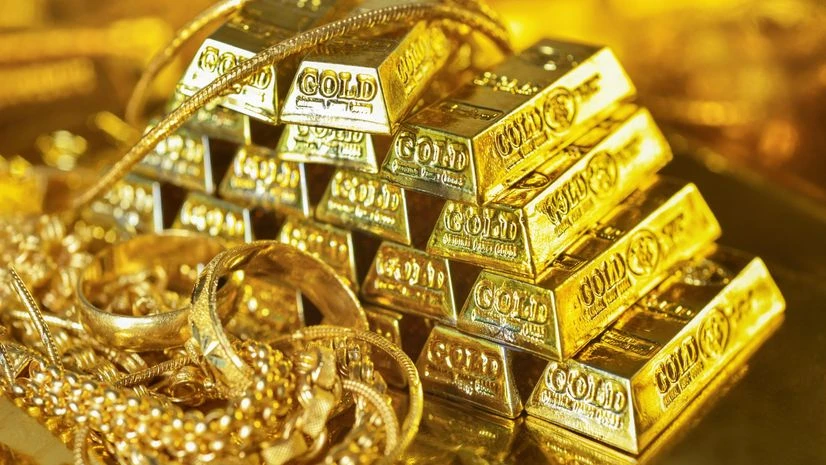
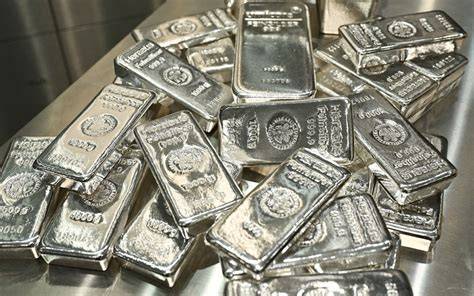
Gold and silver prices moved slightly higher this week as investors reacted to global tensions, inflation worries, and upcoming central bank decisions. The move follows recent volatility in precious metals markets, where prices have swung between gains and losses over the past few weeks.
The latest uptick comes as traders watch geopolitical developments, interest-rate signals, and currency movements — all factors that often influence demand for safe-haven assets like gold and silver.
Analysts say the rise is not driven by a single event. Instead, a mix of global uncertainty, strong investment demand, and industrial use for silver has pushed prices higher again.

For investors, the question now is whether the rally will continue — or if the metals market is entering another period of sharp swings.
Why Gold and Silver Prices Are Rising
Precious metals often move when markets become uncertain. In recent days, investors have shifted money into gold and silver as they wait for policy decisions from major central banks and watch geopolitical developments in the Middle East.
Spot gold prices rose slightly while silver also gained, with traders assessing how inflation, oil prices, and interest-rate expectations could affect the global economy.

Gold is widely seen as a hedge against inflation and political risk. When uncertainty increases, demand for the metal usually follows.
Silver tends to move with gold but is also influenced by industrial demand, which makes its price more volatile.
Timeline of Recent Price Moves
Over the past few months, gold and silver have seen sharp gains followed by brief corrections.

Prices climbed through late 2025 as investors reacted to economic slowdown fears, central-bank buying, and ongoing global conflicts.
Earlier this year, prices dipped when the U.S. dollar strengthened and expectations grew that interest rates might stay higher for longer. Higher rates often reduce the appeal of gold because it does not pay interest.
The latest increase came after renewed geopolitical tension and steady investment demand pushed buyers back into the market.
Key Factors Behind the Latest Rise
Safe-haven demand
When global risks increase, investors often move money into assets considered safer than stocks.
Recent conflict-related concerns and economic uncertainty have supported gold prices, even when other markets showed mixed performance.
Central bank buying
Many countries have been increasing gold reserves, which helps keep prices elevated even during slow periods.
Analysts say central-bank demand has been one of the strongest long-term drivers of the current bull run.
Industrial demand for silver
Silver has an additional advantage because it is used in electronics, solar panels, and electric-vehicle technology.
Strong industrial demand has tightened supply, which can push prices higher faster than gold during rallies.

Interest-rate expectations
Gold usually performs better when interest rates are low.
Investors are watching upcoming policy meetings from the Federal Reserve and other central banks for clues about future rate cuts or hikes.
Currency movement
A weaker dollar often makes gold cheaper for global buyers, increasing demand.
When the dollar rises, gold can slow down or fall.

What Experts Are Saying
Market analysts say the current move higher does not guarantee a long rally.
Some financial planners warn that after strong gains in the past two years, prices could become more volatile.
“Gold prices rose sharply due to geopolitical tensions and strong central-bank buying, but investors should expect corrections along the way,” one fund manager said while discussing recent market trends.

Another commodities strategist said the metals market is being pulled in different directions.
“Safe-haven demand is supporting gold, but interest-rate expectations and a strong dollar can limit how far prices rise,” the analyst noted.
A senior metals trader also pointed to silver’s unique position.
“Silver reacts not only to investment flows but also to industrial demand, which makes its price swings larger than gold,” the trader said.
Public Reaction and Investor Sentiment
Retail investors have shown renewed interest in precious metals after recent gains, especially through exchange-traded funds and digital gold platforms.
At the same time, some advisers are urging caution, saying many portfolios already hold a large share of gold after the recent rally.
Financial planners generally recommend keeping gold as a small part of a diversified portfolio rather than making large short-term bets.
What Happens Next
Much of the market’s direction will depend on upcoming central-bank meetings, inflation data, and geopolitical developments.
If interest rates stay high, gold could struggle to move much higher.
If economic uncertainty grows, demand for safe-haven assets may increase again.
Silver could remain more volatile because it depends on both investment demand and industrial growth.
Key Facts Summary
| Event | Location | Date | Who is affected | Current status | What readers should know |
|---|---|---|---|---|---|
| Gold & silver price rise | Global markets | March 2026 | Investors, jewelers, traders | Prices slightly higher | Driven by global uncertainty |
| Central bank policy watch | U.S., Europe, Asia | Ongoing | Financial markets | Decisions pending | Rate changes affect metals |
| Geopolitical tension impact | Middle East / global | 2026 | Commodity markets | Uncertain outlook | Safe-haven demand rising |
| Industrial silver demand | Global manufacturing | 2025–2026 | Tech & energy sectors | Strong demand | Supports silver prices |
| Investor activity | Global | Ongoing | Retail investors | High interest | Experts advise caution |
FAQ
Why are gold and silver prices rising now?
Prices are rising due to global uncertainty, strong investment demand, and expectations about interest-rate decisions.
Is gold a safe investment in 2026?
Gold is often used as a hedge against inflation and risk, but prices can still move up and down.
Why is silver more volatile than gold?
Silver is affected by both investment demand and industrial use, which causes bigger price swings.
Do interest rates affect gold prices?
Yes. Higher interest rates can reduce demand for gold, while lower rates often support prices.
Should investors buy gold now?
Financial advisers usually recommend keeping gold as part of a balanced portfolio rather than buying large amounts at once.
What makes silver prices go up?
Industrial demand, supply shortages, and investor buying can all push silver higher.
Will gold prices keep rising this year?
That depends on inflation, interest rates, and global events. Prices may remain volatile.
CONCLUSION
Gold and silver moved higher this week as markets reacted to global uncertainty, interest-rate expectations, and steady demand from investors and industry.
The latest gains highlight how sensitive precious metals are to economic signals and geopolitical developments.
Investors are now watching central-bank decisions, inflation data, and global tensions for clues about where prices could head next.









Leave a Comment