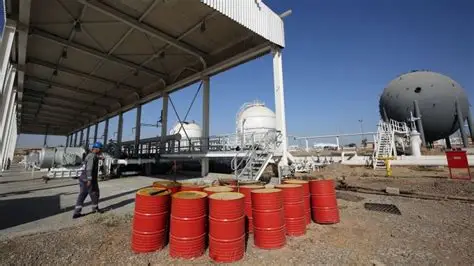
Global oil prices surged sharply after renewed attacks on commercial ships near the Strait of Hormuz, raising fears of supply disruptions in one of the world’s most critical energy routes. Brent crude climbed above $100 per barrel, marking one of the biggest single-day moves in recent months.
The jump came after reports that Iran-backed forces increased activity in the region, prompting concern among traders that oil shipments could be interrupted. Nearly a fifth of the world’s oil supply moves through the narrow waterway, making any escalation there highly sensitive for global markets.
Energy analysts say the spike reflects immediate supply fears rather than a long-term shortage, but tensions in the Middle East are once again pushing oil prices higher.

The move is already being felt in global commodity markets, fuel prices, and stock indexes, with investors watching closely for the next developments.
Oil Price Spike After Strait of Hormuz Attacks
Oil prices rose more than 9% in international trading after reports of new attacks targeting vessels moving through the Strait of Hormuz.
Brent crude futures crossed the $100 per barrel mark, while U.S. West Texas Intermediate also saw a sharp jump.

| Benchmark | Price |
|---|---|
| Brent Crude | Above $100 per barrel |
| WTI Crude | Near $96 per barrel |
Traders reacted quickly because the Strait of Hormuz is considered the most important oil transit route in the world.
Key Facts Summary
| Event | Oil price surge after attacks |
|---|---|
| Location | Strait of Hormuz, Middle East |
| Date | March 2026 |
| Who is affected | Global energy markets, consumers, airlines, transport sector |
| Current status | Oil prices above $100 |
| What readers should know | Supply fears driving market spike |
Why the Strait of Hormuz Matters for Oil Prices
The Strait of Hormuz connects the Persian Gulf to global shipping routes and carries a large portion of the world’s crude exports.
Any threat to ships in this region can immediately push oil prices higher because traders fear supply shortages.

Energy market analyst Daniel Harper said the reaction was expected.
“Whenever the Strait of Hormuz is at risk, the market prices in a supply shock almost instantly. Even small attacks can move oil sharply,” he said.
Countries including Saudi Arabia, Iraq, Kuwait, and the UAE rely on this route to export oil.

Because global supply chains depend on steady shipments, even temporary disruption can affect prices worldwide.
Iran-Linked Activity Raises Supply Concerns
Security reports indicated that Iranian-backed groups increased attacks on vessels traveling through the region, adding to existing geopolitical tension.
While there has been no confirmed large-scale shutdown of shipments, the risk alone was enough to push traders into buying oil contracts.
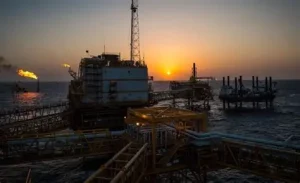
Geopolitical risk specialist Laura Bennett said the market reacts before actual shortages appear.
“Oil markets don’t wait for supply to stop. The fear of disruption is enough to send prices higher,” she said.
Shipping companies are also reviewing routes, which could slow deliveries and increase costs.

Immediate Impact on Global Markets
The jump in oil prices quickly affected other financial markets.
- Airline stocks fell due to higher fuel costs
- Energy company shares rose
- Gold prices gained as investors moved to safe assets
- Stock markets showed volatility
Higher crude prices often lead to higher gasoline and diesel costs, which can affect inflation worldwide.
Countries that import oil heavily, including India and many European nations, are especially sensitive to price spikes.

Recent Oil Price Trend
Oil had been trading below $95 per barrel before the latest escalation.
Prices had remained stable due to balanced supply and moderate demand, but geopolitical tension changed the outlook quickly.
Over the past year, oil has reacted strongly to:

- Middle East conflict
- OPEC production decisions
- U.S. inventory data
- Global economic growth concerns
The latest surge shows how quickly prices can change when supply routes are threatened.
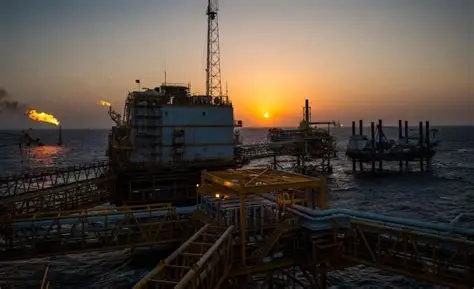
What Officials and Analysts Are Saying
Government officials in several countries said they are monitoring the situation closely.
No major producer has announced supply cuts, but shipping risks alone could tighten availability.
Energy economist Michael Grant said markets may stay volatile.
“If attacks continue, oil could stay above $100. If tensions ease, prices may fall just as quickly,” he said.
Investors are now waiting for official statements from oil-producing nations and military authorities in the region.
What Happens Next for Oil Prices
Analysts say the next move depends on whether the situation in the Strait of Hormuz worsens.
Prices could rise further if:
- More ships are attacked
- Shipping slows down
- Military conflict expands
Prices could fall if:
- Security improves
- Exports continue normally
- Diplomatic talks reduce tension
For now, traders are reacting to headlines, which means large price swings may continue.
FAQ
Why did oil prices jump above $100?
Prices rose after attacks near the Strait of Hormuz raised fears of supply disruption.
Why is the Strait of Hormuz important?
It carries a large share of the world’s oil exports, making it critical for global supply.
Who is affected by higher oil prices?
Consumers, airlines, transport companies, and countries that import oil.
Will fuel prices increase?
Higher crude prices often lead to higher petrol and diesel costs, but changes depend on local policies.
Could oil rise more?
Yes, if tensions in the Middle East continue.
Could prices fall again?
Yes, if shipping remains safe and supply is not disrupted.
How often does geopolitics affect oil?
Very often. Oil prices react quickly to conflict, sanctions, and supply risks.
Conclusion
Brent crude crossing $100 per barrel highlights how sensitive global oil markets remain to geopolitical risk. The latest attacks near the Strait of Hormuz have raised immediate concerns about supply security, even though exports have not stopped.
Markets are now focused on whether tensions escalate further or begin to ease. The next few days could be critical for oil prices, fuel costs, and global inflation.
Investors and consumers alike are watching closely for updates from the Middle East, shipping authorities, and major oil producers.









Leave a Comment