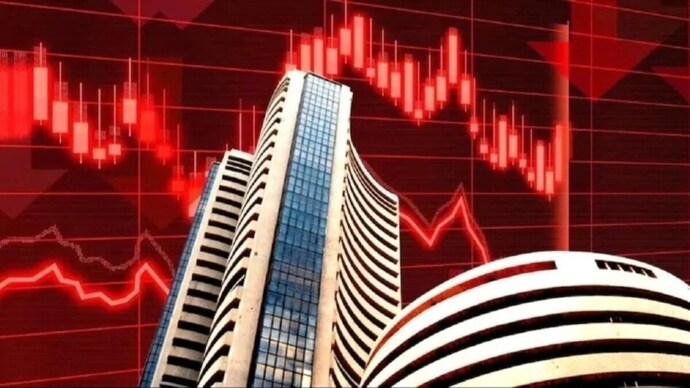
It was a day of sharp turns on Dalal Street.
The BSE Sensex staged a dramatic 1,700-point recovery from its intraday low, only to close 1,050 points lower. The NSE Nifty also slipped below the key 24,900 mark by the end of trading.
The volatile session reflected investor nervousness amid global uncertainty and heavy selling in key sectors. While buyers stepped in during the second half, the rebound wasn’t enough to lift benchmarks into positive territory.

For retail investors and institutional players alike, the session underscored how quickly sentiment can shift in the current market environment.
Key Market Snapshot
| Event | Sharp intraday swing in Indian stock market |
|---|---|
| Location | Mumbai, India |
| Date | Latest trading session |
| Who is affected | Retail investors, institutional investors, traders |
| Current status | Sensex down 1,050 points; Nifty below 24,900 |
| What readers should know | Markets remain volatile amid global and domestic uncertainties |
What Drove Today’s Market Volatility?
Early Sell-Off Hits Benchmarks Hard
Markets opened under pressure, tracking weak global cues. Selling intensified during the morning session, dragging the Sensex sharply lower.
Banking, IT and metal stocks were among the major laggards. Traders cited cautious global sentiment and profit-booking after recent gains.

At its lowest point, the Sensex had plunged significantly before staging a strong intraday comeback of nearly 1,700 points.
Afternoon Recovery Fails to Hold
By mid-session, buying emerged in select heavyweights, helping the index claw back losses.
Short-covering also supported the rebound. However, renewed selling in the final hour erased a large part of the recovery.
The Sensex ultimately closed 1,050 points down, while the Nifty settled below 24,900 — a psychologically important level for traders.
Sector-Wise Performance: Banks, IT Under Pressure
Banking stocks bore the brunt of the early decline. Private sector lenders saw notable weakness, pulling the broader indices lower.
IT stocks also struggled amid global uncertainty. Export-focused companies tend to react quickly to international developments and currency fluctuations.

Metal and auto counters witnessed choppy trading, reflecting broader risk-off sentiment.
Defensive sectors, including select FMCG stocks, showed relative resilience.
Global Cues and Investor Sentiment
Market participants pointed to cautious global trends as a key factor behind the sell-off.

Concerns around geopolitical tensions and global growth outlook have kept investors on edge in recent sessions.
“The market is reacting to a mix of global uncertainty and technical resistance levels,” said VK Vijayakumar, Chief Investment Strategist at Geojit Financial Services. “Volatility may persist until there is clarity on external risks.”
Currency movements and bond yields also played a role in shaping sentiment during the session.

Timeline of the Trading Session
Morning: Sharp Fall
Heavy selling in frontline stocks dragged indices sharply lower within the first few hours of trade.
Midday: Strong Rebound
Value buying and short-covering triggered a rapid recovery. The Sensex erased nearly 1,700 points from its intraday low.
Closing Hour: Fresh Selling
Late-session profit-booking pushed benchmarks back into deeper losses, leading to a weak close.
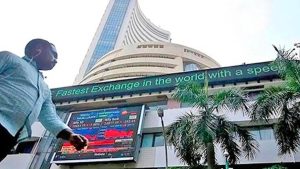
Technical Levels to Watch
For traders, the Nifty’s close below 24,900 is being closely monitored.
Technical analysts say immediate support lies slightly below current levels, while resistance remains near recent highs.
“Such sharp swings indicate heightened volatility,” said a Mumbai-based technical analyst. “Investors should remain cautious and avoid aggressive positioning.”

Market breadth remained mixed, with declines outpacing advances.
Impact on Investors
The session’s volatility may test retail investor confidence, especially those trading on margin.
Long-term investors, however, often view such corrections differently.
Financial planners say short-term swings are not unusual in equity markets, particularly during periods of global uncertainty.
For traders, intraday volatility created opportunities — but also heightened risk.
Broader Economic Context
Indian markets have recently seen strong inflows from domestic institutional investors.
Foreign institutional investors, however, have shown mixed participation amid global headwinds.
Economic fundamentals remain under watch, including inflation data, corporate earnings and central bank commentary.
The Reserve Bank of India’s policy stance continues to influence market direction, especially banking stocks.
What Happens Next?
Analysts expect markets to remain sensitive to global developments in the coming days.
Corporate earnings updates and macroeconomic indicators could provide direction.
If global cues stabilize, benchmarks may attempt another recovery. If uncertainty persists, volatility could continue.
For now, traders are watching key support and resistance levels closely.
Frequently Asked Questions (FAQ)
1. Why did the Sensex fall despite recovering 1,700 points?
The index recovered from intraday lows but faced renewed selling in the final hour, leading to a net loss of 1,050 points.
2. Why did the Nifty close below 24,900?
Sustained pressure in banking and IT stocks pulled the index below the key psychological level.
3. What caused today’s market volatility?
Global uncertainty, sectoral selling and technical factors contributed to sharp intraday swings.
4. Which sectors were most affected?
Banking and IT stocks saw significant pressure during the session.
5. Should long-term investors worry?
Market experts suggest focusing on fundamentals and long-term goals rather than reacting to short-term volatility.
6. What levels should traders watch next?
Support slightly below current Nifty levels and resistance near recent highs are being closely tracked.
Conclusion
The latest trading session highlighted the fragile balance between buying support and selling pressure in Indian equities.
Despite a sharp 1,700-point recovery, the Sensex closed 1,050 points lower, and the Nifty ended below 24,900 — signaling continued caution among investors.
Market participants will now look to global developments, economic data and institutional flows for direction in the sessions ahead.










Leave a Comment