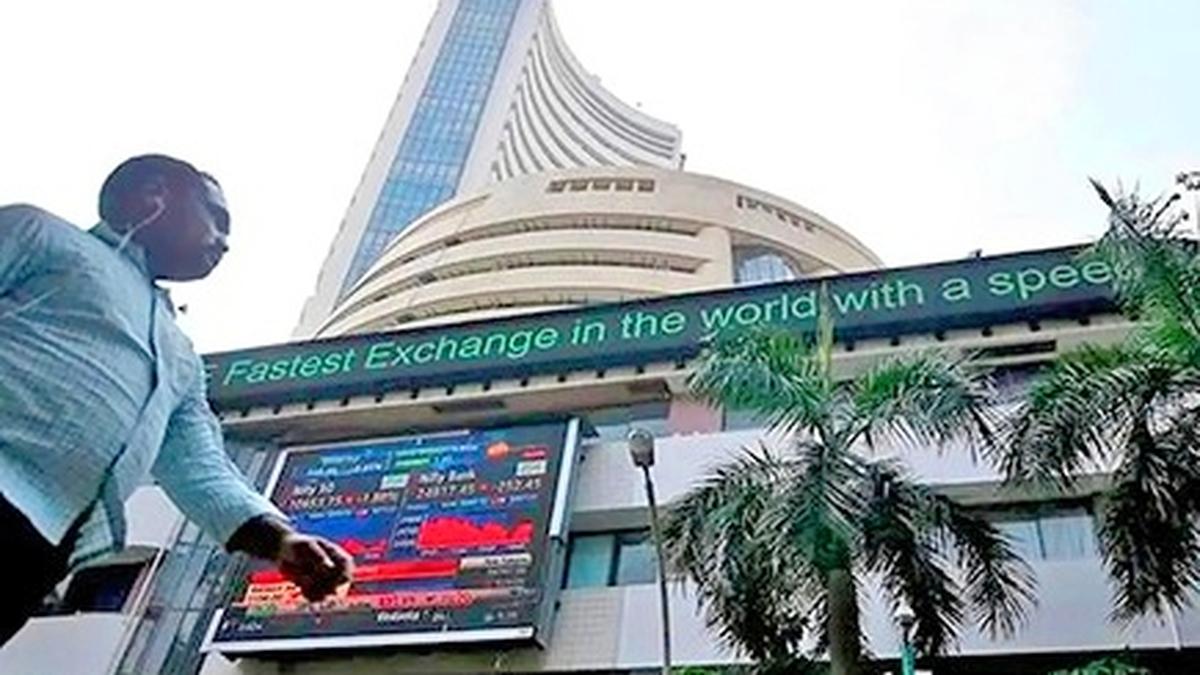
Indian equity markets saw a sharp selloff, with the Sensex plunging 961 points and the Nifty slipping to 25,178.65 in the latest trading session.
The decline followed rising geopolitical tensions and continued foreign institutional investor (FII) selling. Investors reacted cautiously, pulling back from risk assets.
The fall wiped out significant market gains and pushed benchmark indices below closely watched technical levels. For retail investors and traders, the move raises questions about near-term stability.

Here’s what happened and why it matters.
Key Market Facts
| Event | Location | Date | Who Is Affected | Current Status | What Investors Should Know |
|---|---|---|---|---|---|
| Sensex decline | India | Latest trading session | Equity investors | Down 961 points | Heavy selling pressure observed |
| Nifty level | India | Same session | Traders, mutual fund investors | Slipped to 25,178.65 | Fell below recent support zone |
| Key driver | Global & domestic markets | Ongoing | Market participants | Geopolitical concerns rising | Risk sentiment weakened |
| FII activity | Indian equity market | Recent weeks | Large-cap stocks | Continued net selling | Impacts index-heavy stocks |
| Market outlook | Near-term | Ongoing | Retail & institutional investors | Volatility elevated | Watch global cues and flows |
What Happened in the Stock Market Today
The Sensex fell 961 points during the session, reflecting broad-based selling across sectors. The Nifty dropped to 25,178.65, slipping below a key psychological level that traders had been monitoring.
Large-cap stocks bore the brunt of the decline, particularly those with significant foreign institutional investor exposure.

Selling intensified through the session as global cues remained weak and risk appetite faded.
The downturn follows heightened geopolitical tensions globally, which tend to trigger defensive positioning in financial markets.
Why Geopolitical Tensions Matter for Markets
Equity markets typically respond quickly to geopolitical uncertainty. Investors often shift money away from equities into safer assets such as bonds or gold when risks rise.
Recent developments have added to global uncertainty. While details continue to evolve, markets reacted to the broader risk sentiment rather than any single headline.
A Mumbai-based equity strategist said, “When geopolitical tensions increase, FIIs reduce exposure in emerging markets first. That creates sharp index-level moves.”
That pattern appeared visible in the latest session.

FII Selling Adds Pressure
Foreign institutional investors have been net sellers in Indian equities in recent sessions.
FII flows carry weight because foreign funds hold significant stakes in large-cap stocks that dominate the Sensex and Nifty.
When they reduce exposure, benchmark indices can move sharply.

Market analyst Vikas Mehra noted, “Sustained FII selling can lead to technical breakdowns, especially if domestic institutional buying does not offset it.”
That imbalance was evident during the session as indices slipped steadily.
Sector-Wise Impact
Banking, financial services, and IT stocks were among the key laggards.

These sectors often carry heavy index weight, amplifying the impact of selling.
Mid-cap and small-cap stocks also saw declines, though losses varied across counters.
Defensive sectors showed relatively better resilience but were not immune to the broader weakness.

Timeline of the Market Decline
- Previous Sessions: Gradual weakness amid global uncertainty.
- Morning Trade: Indices opened lower following weak global cues.
- Mid-Session: Selling pressure intensified, led by large-cap stocks.
- Closing Bell: Sensex down 961 points; Nifty settled at 25,178.65.
The sharp fall marked one of the more notable single-session declines in recent weeks.
Technical Levels Investors Are Watching
The Nifty slipping to 25,178.65 brings it closer to important support zones identified by technical analysts.
Breaks below key support levels often trigger additional selling due to stop-loss orders and algorithmic trades.

A derivatives analyst said, “If Nifty fails to hold the 25,000–25,100 range, further downside cannot be ruled out in the short term.”
However, sustained recovery above previous resistance levels could help stabilize sentiment.
How Domestic Investors Responded
Domestic institutional investors (DIIs) have, in recent months, acted as a counterbalance to FII outflows.
However, during this session, selling pressure outweighed support.
Retail investors appeared cautious, with many waiting for clarity before deploying fresh capital.
Volatility indicators also ticked higher, reflecting nervousness across the market.
What Happens Next for the Indian Stock Market
Market direction in the coming sessions will likely depend on:
- Global geopolitical developments
- FII flow trends
- Currency movement
- Upcoming economic data
Investors will also track corporate earnings updates and macroeconomic indicators for signals of resilience.
Stability in global markets could help calm domestic volatility.
FAQs
1. Why did the Sensex fall 961 points?
The decline was driven by rising geopolitical tensions and continued foreign institutional investor selling.
2. What level did the Nifty close at?
The Nifty slipped to 25,178.65 during the session.
3. What are FIIs and why do they matter?
Foreign institutional investors are overseas funds investing in Indian equities. Their buying or selling significantly impacts large-cap stocks and indices.
4. Which sectors were hit the hardest?
Banking, financial services, and IT stocks faced notable selling pressure.
5. Is this a market correction or a larger downturn?
Analysts suggest that further movement will depend on global cues and whether key support levels hold.
6. Should retail investors be concerned?
Market volatility has increased. Investors typically monitor support levels and global developments before making decisions.
7. What levels are traders watching next?
The 25,000–25,100 range on Nifty is seen as an important near-term support zone.
Closing
The sharp drop in the Sensex and Nifty reflects a market reacting to external pressures and sustained FII selling.
While volatility has increased, investors are watching key support levels and global developments closely.
Upcoming sessions will likely hinge on geopolitical updates and institutional fund flows.









Leave a Comment