
Indian equity markets saw a sharp selloff on Tuesday, with the Sensex plunging more than 1,800 points and the Nifty slipping toward the 24,600 mark.
The decline followed a sudden 9% surge in Brent crude prices, which unsettled global markets and weighed heavily on energy-sensitive stocks.
Oil-linked shares led the losses as investors reacted to rising crude prices and renewed geopolitical tensions in the Middle East. The selloff reflects concerns over inflation, corporate margins and broader economic stability.

Here’s what happened, why it matters and what investors are watching next.
Market Selloff: Key Facts at a Glance
| Event | Sharp stock market decline amid oil price surge |
|---|---|
| Location | India (BSE & NSE) |
| Date | Latest trading session |
| Who is affected | Equity investors, oil companies, traders |
| Current status | Sensex down over 1,800 points; Nifty near 24,600 |
| What readers should know | Brent crude jumped 9%, triggering risk-off sentiment |
Why the Stock Market Crashed Today
Brent Crude Jumps 9%
The immediate trigger for the market crash was a sharp 9% rise in Brent crude oil prices.
Oil markets reacted strongly to escalating geopolitical tensions in the Middle East. Higher crude prices typically raise concerns for oil-importing economies like India, where fuel costs can impact inflation and fiscal balances.

“India imports the bulk of its crude requirement. A sudden spike in oil prices directly affects corporate margins and macro stability,” said a Mumbai-based market strategist.
That concern played out swiftly on Dalal Street.
Oil Stocks Under Pressure
Oil marketing companies and energy-intensive sectors bore the brunt of the selloff.

Rising crude prices can compress margins for refiners and fuel retailers, especially if price hikes are not immediately passed on to consumers.
“Oil marketing stocks are sensitive to global crude volatility. Traders reacted quickly to the 9% spike,” said a senior derivatives analyst.
The broader energy index reflected the stress, contributing significantly to the benchmark decline.
Sensex and Nifty: How the Indices Moved
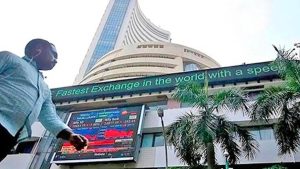
The Sensex fell more than 1,800 points during intraday trading, marking one of the steepest single-day declines in recent sessions.
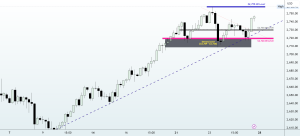
The Nifty tested the 24,600 level, a key technical support zone that traders have been watching closely.
Banking, IT, auto and oil-linked stocks saw heavy selling pressure. Broader market indices also slipped, indicating widespread risk aversion.

A Delhi-based technical analyst said, “When global cues turn negative and oil spikes this sharply, markets typically react first and reassess later.”
Background: Why Oil Prices Matter for India
India is one of the world’s largest crude oil importers. Rising oil prices often lead to:
- Higher fuel costs
- Inflationary pressure
- Increased fiscal burden
- Weakening currency concerns
Higher crude can also impact corporate earnings, particularly in sectors reliant on transportation, logistics and raw materials.

Equity markets tend to price in these risks quickly.

Timeline of Events Leading to the Crash
- Brent crude surged 9% amid geopolitical tensions.
- Global markets showed signs of volatility.
- Indian markets opened lower and extended losses through the session.
- Sensex dropped over 1,800 points.
- Nifty tested the 24,600 level.
- Oil marketing and energy stocks saw sharp declines.
The pace of the selloff suggested heightened nervousness among investors.
Investor and Public Reaction
Retail investors expressed concern over the sharp drop, particularly those who entered markets during recent rallies.
On trading platforms and financial forums, discussions centered on whether this decline signals a broader correction or a short-term reaction.
Institutional investors appeared cautious, with volumes indicating selective exits in energy and high-beta stocks.
A portfolio manager based in Bengaluru said, “Markets dislike uncertainty. The oil shock added a new layer of risk to already cautious sentiment.”

Sector-Wise Impact
Oil & Gas
Oil marketing companies saw the steepest declines. Higher crude prices directly affect their cost structure.
Banking and Financials
Banking stocks slipped amid broader market weakness, though losses were comparatively moderate.
IT and Exporters
IT stocks experienced volatility, partly due to currency movement expectations tied to oil prices.
Auto and Consumer
Auto stocks faced pressure as higher fuel prices can impact vehicle demand.
The selloff was not isolated to one segment; it reflected a broader risk-off mood.
Official Commentary and Market Outlook
While exchanges do not typically comment on daily volatility, market participants are closely monitoring developments in crude oil markets.
Economists are also assessing potential inflationary impacts if oil remains elevated.
“Markets will stabilize once there is clarity on crude direction,” said an economist tracking commodity trends. “If oil sustains above current levels, policy implications could follow.”
At this stage, traders are watching global cues and crude price movements more closely than domestic triggers.
What Happens Next?
The immediate focus remains on:
- Brent crude price movement
- Geopolitical developments
- Global equity market reaction
- Domestic institutional flows
If crude prices cool, markets may attempt a recovery. If volatility persists, further downside cannot be ruled out in the near term.
Investors will also track technical levels around Nifty 24,600 for signals of support or further weakness.
Frequently Asked Questions (FAQ)
Why did the Sensex fall over 1,800 points?
The decline followed a 9% jump in Brent crude prices, which triggered broad market selling.
Why do oil prices affect Indian markets?
India imports most of its crude oil, so higher prices can impact inflation, corporate margins and fiscal stability.
What level did Nifty test?
The Nifty approached the 24,600 mark during the selloff.
Which sectors were hit the hardest?
Oil marketing companies and energy-linked stocks saw significant declines.
Is this a market correction?
It reflects a sharp reaction to rising oil prices. Further movement depends on global developments.
What should investors watch next?
Crude oil prices, geopolitical news and key technical support levels.
Could markets recover quickly?
Recovery depends largely on oil price stability and global sentiment.
Conclusion
Indian equity markets faced a sharp downturn as Brent crude surged 9%, sparking concerns about inflation and corporate earnings.
The Sensex fell over 1,800 points, while the Nifty tested 24,600 amid widespread selling, particularly in oil-related stocks.
Market direction in the coming sessions will depend heavily on crude oil trends and geopolitical developments. Investors are likely to remain cautious as volatility persists.










Leave a Comment