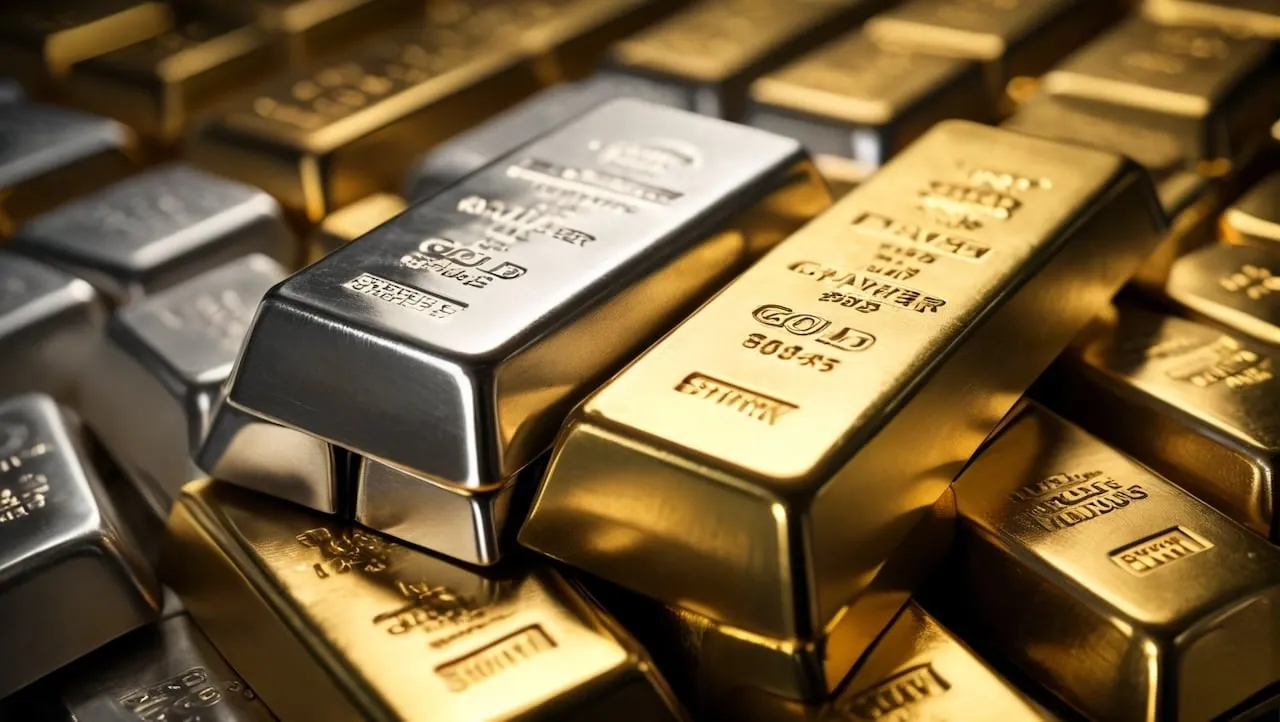
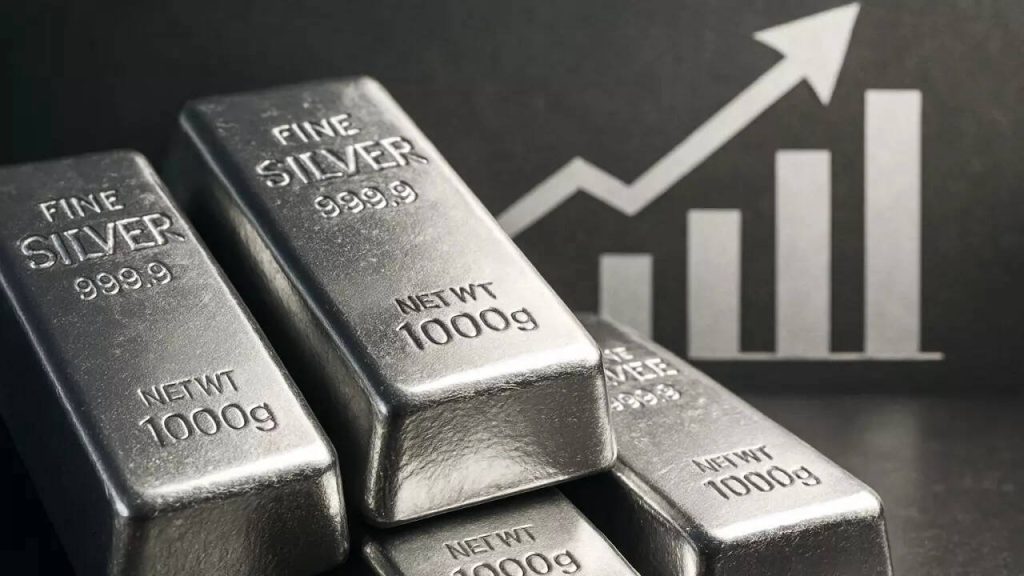
Silver prices surged sharply on March 2, 2026, as escalating tensions between Israel and Iran pushed investors toward safe-haven assets.
The white metal climbed more than ₹11,350 per kilogram in domestic markets, reflecting strong demand across major cities including Delhi, Mumbai, Chennai, Bengaluru and Hyderabad.
The spike comes amid heightened geopolitical uncertainty in the Middle East. Precious metals such as silver and gold often gain when global risks rise, as investors look for relatively stable assets during volatile periods.
Here’s what the latest price movement means for buyers, traders and markets.
Silver Price Surge: Key Facts at a Glance
| Event | Silver price surge amid Israel-Iran war |
|---|---|
| Location | India (major metro cities) |
| Date | March 2, 2026 |
| Who is affected | Bullion buyers, investors, jewelers, traders |
| Current status | Silver up over ₹11,350/kg |
| What readers should know | Prices driven by geopolitical tensions and safe-haven demand |
Why Silver Prices Rose on March 2
Israel-Iran Conflict Triggers Safe-Haven Buying
The primary driver behind the surge is the escalating Israel-Iran conflict, which has rattled global financial markets.
As tensions intensified, investors shifted funds into precious metals. Silver, often considered both an industrial and investment metal, tends to react strongly during geopolitical crises.

“Whenever geopolitical risk rises sharply, we see immediate traction in gold and silver,” said a Mumbai-based commodities analyst. “Silver is more volatile than gold, so percentage gains can be larger in short bursts.”
That volatility was visible on March 2, with silver registering a significant jump within a short span.
Silver Rates in Major Indian Cities
Domestic bullion markets reflected the global trend. Prices rose across leading metropolitan centers.
In Delhi, silver prices saw a strong upward revision. Mumbai followed a similar pattern, tracking the overall market rally. Chennai, Bengaluru and Hyderabad also reported notable increases in per-kilogram rates.
Local jewelers said the move was swift.
“The increase was sharp and immediate,” said a Delhi bullion trader. “Buyers are cautious at these levels, but investment demand has picked up.”
Retail demand for jewelry may slow temporarily at higher price points, but investment buying tends to strengthen during uncertain times.
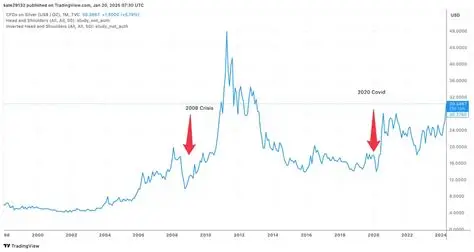
Background: Silver’s Dual Role in Markets
Silver differs from gold in one key way: it serves both as a precious metal and an industrial commodity.
It is widely used in electronics, solar panels, electric vehicles and medical equipment. That industrial demand often supports prices over the long term.

At the same time, silver functions as a store of value during global instability.
When geopolitical stress rises — such as war or economic uncertainty — investors often allocate funds to metals. This week’s move reflects that pattern.
Timeline of Recent Events
- Escalation in the Israel-Iran conflict increased geopolitical uncertainty.
- Global markets responded with heightened volatility.
- Precious metals saw increased safe-haven demand.
- Silver prices jumped over ₹11,350 per kilogram on March 2 in domestic markets.
- Major cities reported synchronized price increases.
The rally unfolded quickly, suggesting reactive buying rather than gradual accumulation.
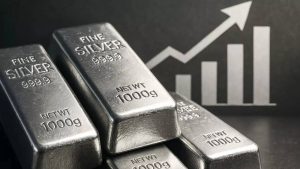
Market Reaction and Investor Sentiment
Commodity traders described the move as technically strong.
“Silver had already been showing underlying strength,” said a Bengaluru-based derivatives trader. “The geopolitical trigger accelerated buying.”
On social media and financial forums, retail investors discussed whether the surge represents a short-term spike or the start of a broader rally.
Some analysts caution that silver can experience sharp pullbacks after rapid gains.
“Price spikes driven by geopolitical headlines can cool if tensions stabilize,” noted a Hyderabad commodities broker. “Investors should track developments closely.”
How This Affects Buyers and Investors
For retail buyers, the immediate impact is straightforward: higher purchase costs.
Jewelry buyers may delay purchases, while investors holding silver may see portfolio gains.
Exchange-traded products and futures traders also witnessed increased volumes, reflecting heightened interest.
Industrial buyers, meanwhile, may face short-term cost adjustments if elevated prices persist.
What Happens Next?
Silver’s trajectory will depend largely on geopolitical developments.
If tensions between Israel and Iran escalate further, safe-haven demand may continue supporting prices. If the situation stabilizes, markets could see consolidation.
Traders are also monitoring global currency movements, crude oil prices and equity market volatility — all of which can influence precious metals.
For now, silver remains elevated.
Frequently Asked Questions (FAQ)
Why did silver prices rise on March 2, 2026?
Silver climbed due to heightened safe-haven demand triggered by the escalating Israel-Iran conflict.
How much did silver increase?
Prices rose by more than ₹11,350 per kilogram in domestic markets.
Which cities saw the price spike?
Delhi, Mumbai, Chennai, Bengaluru and Hyderabad reported higher silver rates.
Is silver considered a safe-haven asset?
Yes. Silver and gold often attract investors during geopolitical or economic uncertainty.
Will silver prices continue rising?
Future price movement depends on geopolitical developments and overall market conditions.
How does silver differ from gold?
Silver has both industrial and investment demand, making it more volatile than gold.
Should retail buyers purchase silver now?
Purchase decisions depend on individual needs and risk tolerance. Prices remain influenced by global developments.
Conclusion
Silver prices rose sharply on March 2, 2026, gaining more than ₹11,350 per kilogram amid rising tensions in the Israel-Iran conflict.
Major Indian cities reported synchronized increases, reflecting strong safe-haven demand and heightened market activity.
Investors and buyers will continue watching geopolitical developments and broader market signals in the days ahead, as precious metals remain sensitive to global risk sentiment.






Leave a Comment