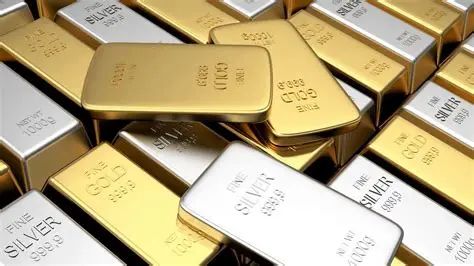
Gold and silver prices moved higher following news of easing trade tensions between India and the United States. The rally surprised some investors who typically expect safe-haven assets to cool when trade risks decline.
Instead, both metals extended gains in domestic and global markets, signaling that broader macroeconomic forces may be at play.
Analysts say while easing trade tensions usually shift money toward equities and riskier assets, precious metals are currently drawing support from multiple fronts.

The India–US trade development matters because both nations are significant players in global commerce, and any shift in trade policy can influence currency markets, investor sentiment, and commodity flows.
Why Gold and Silver Reacted to the India–US Trade Deal
Under normal market conditions, progress on trade agreements reduces uncertainty. That often dampens safe-haven demand for gold and silver.
“When trade tensions ease, we typically see some rotation away from defensive assets,” said Ole Hansen, head of commodity strategy at Saxo Bank. “Investors tend to look at equities and growth-linked sectors instead.”

Yet this time, prices climbed.
Market analysts point to currency fluctuations and global interest rate expectations as additional drivers. A softer dollar and ongoing inflation concerns may be offsetting the usual pullback in safe-haven demand.
Background: India–US Trade Relations and Market Sensitivity
India and the United States maintain a substantial bilateral trade relationship, spanning technology, pharmaceuticals, agriculture, and manufacturing.
Trade negotiations between the two countries have, at times, faced friction over tariffs and market access. Even small shifts in trade policy can influence capital flows, especially in emerging markets.
For commodity markets, improved trade ties can signal stronger industrial activity. That tends to benefit silver, which has significant industrial applications.
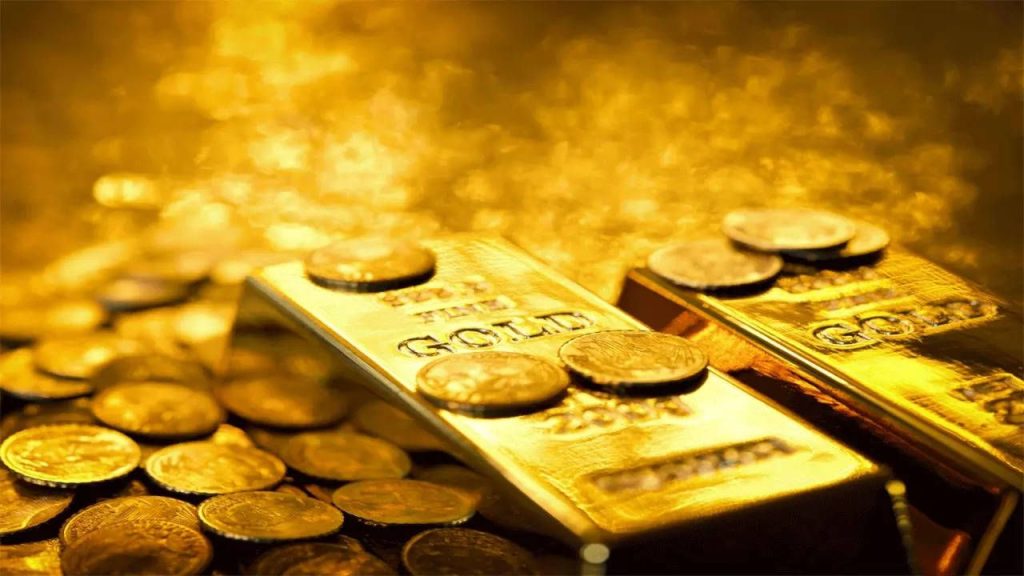
Gold, on the other hand, often responds more directly to macroeconomic signals such as inflation, central bank policy, and currency movement.
Timeline of Market Reaction
- Trade deal update announced, signaling easing tensions between India and the U.S.
- Equity markets showed mixed reaction as investors assessed details.
- Gold and silver prices climbed in both international and domestic sessions.
Traders said volumes increased shortly after the announcement, particularly in futures contracts tied to precious metals.
Daniel Ghali, senior commodity strategist at TD Securities, said the market’s response suggests broader concerns remain in focus. “Gold isn’t trading solely on trade headlines,” Ghali said. “There are underlying macro factors supporting prices.”
Gold Price Movement: Safe Haven or Inflation Hedge?
Gold’s rally indicates investors may still be hedging against inflation and currency volatility.
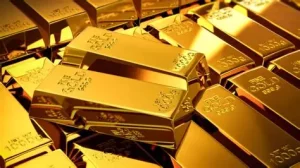
Even with easing trade tensions, uncertainty persists in global markets. Monetary policy signals from major central banks continue to influence capital allocation.
Peter Fertig, an independent precious metals analyst, noted that gold has multiple demand drivers. “It’s not just about trade risk,” Fertig said. “Inflation expectations and currency trends are playing a significant role.”
The resilience in gold prices suggests that investors are balancing optimism about trade with caution about broader economic conditions.
Silver Gains: Industrial Demand in Focus
Silver often reacts differently than gold when trade agreements improve.
Improved trade relations can support industrial demand, especially in sectors such as electronics, renewable energy, and manufacturing. That dynamic may explain silver’s strength following the India–US trade update.
“Silver benefits when markets anticipate stronger cross-border trade and manufacturing activity,” Hansen said.
Because silver serves both as an investment asset and an industrial input, it tends to move on dual narratives.
Public and Investor Reaction
Retail investors in India showed steady interest in precious metals following the announcement. Dealers reported inquiries related to both jewelry purchases and investment products.
Institutional investors appeared cautious but engaged, according to market participants. Some portfolio managers maintained existing positions while awaiting further clarity on trade implementation details.
Equity markets did not show the kind of sharp surge that typically draws funds away from gold, suggesting that investors remain measured in their response.
Broader Market Context: Currency and Central Banks
Currency markets often amplify commodity price movements.
If the Indian rupee or U.S. dollar shifts in response to trade developments, that can directly impact domestic gold and silver rates.
Central bank activity also remains relevant. Global gold purchases by central banks have provided long-term structural support to bullion prices.
That backdrop may be contributing to the current resilience, even as trade tensions ease.
What Happens Next?
The next phase depends on how markets digest the trade agreement’s details.
If equity markets rally strongly on improved economic outlook, precious metals could face short-term pressure.
However, if inflation concerns or currency volatility persist, gold and silver may continue to attract buyers.
Traders will be watching upcoming economic data releases and official statements from policymakers in both India and the United States.
Key Facts Summary
| Event | Location | Date | Who Is Affected | Current Status | What Readers Should Know |
|---|---|---|---|---|---|
| India–US trade deal update | India & United States | Recent announcement | Investors, exporters, commodity traders | Trade tensions easing | Typically reduces safe-haven demand, but metals rose |
| Gold price movement | Global & Indian markets | Same trading session | Bullion investors, jewelers | Prices climbed | Inflation and currency factors may be supporting rally |
| Silver price reaction | Global & Indian markets | Same trading session | Industrial buyers, investors | Prices surged | Industrial demand expectations may be boosting prices |
Frequently Asked Questions (FAQ)
Why did gold rise after the India–US trade deal?
Gold may be supported by inflation concerns, currency movements, and broader macroeconomic uncertainty despite easing trade tensions.
Does easing trade tension usually lower gold prices?
Typically yes. Reduced uncertainty can shift funds toward equities, softening safe-haven demand.
Why is silver reacting positively?
Silver benefits from industrial demand expectations, which can improve when trade relations strengthen.
How does the U.S. dollar affect gold and silver?
A weaker dollar often makes precious metals more attractive globally, supporting higher prices.
Could prices fall if equities rally?
Yes. A strong shift toward risk assets could reduce investment demand for safe-haven metals.
Are central banks influencing gold prices?
Central bank purchases have provided structural support to gold in recent years.
Conclusion
Gold and silver prices climbed even as trade tensions between India and the United States eased, highlighting the complex mix of factors shaping commodity markets.
While improved trade relations often temper safe-haven demand, inflation expectations, currency shifts, and broader macroeconomic trends appear to be sustaining interest in precious metals.
Investors will be watching currency markets, central bank signals, and further trade details to gauge the next direction for gold and silver.





Leave a Comment